Australian aircraft picked for Hormuz shipping mission
A defensive effort to safeguard shipping in the Strait of Hormuz will be aided by an Australian E-7A Wedgetail as part of a global mission.
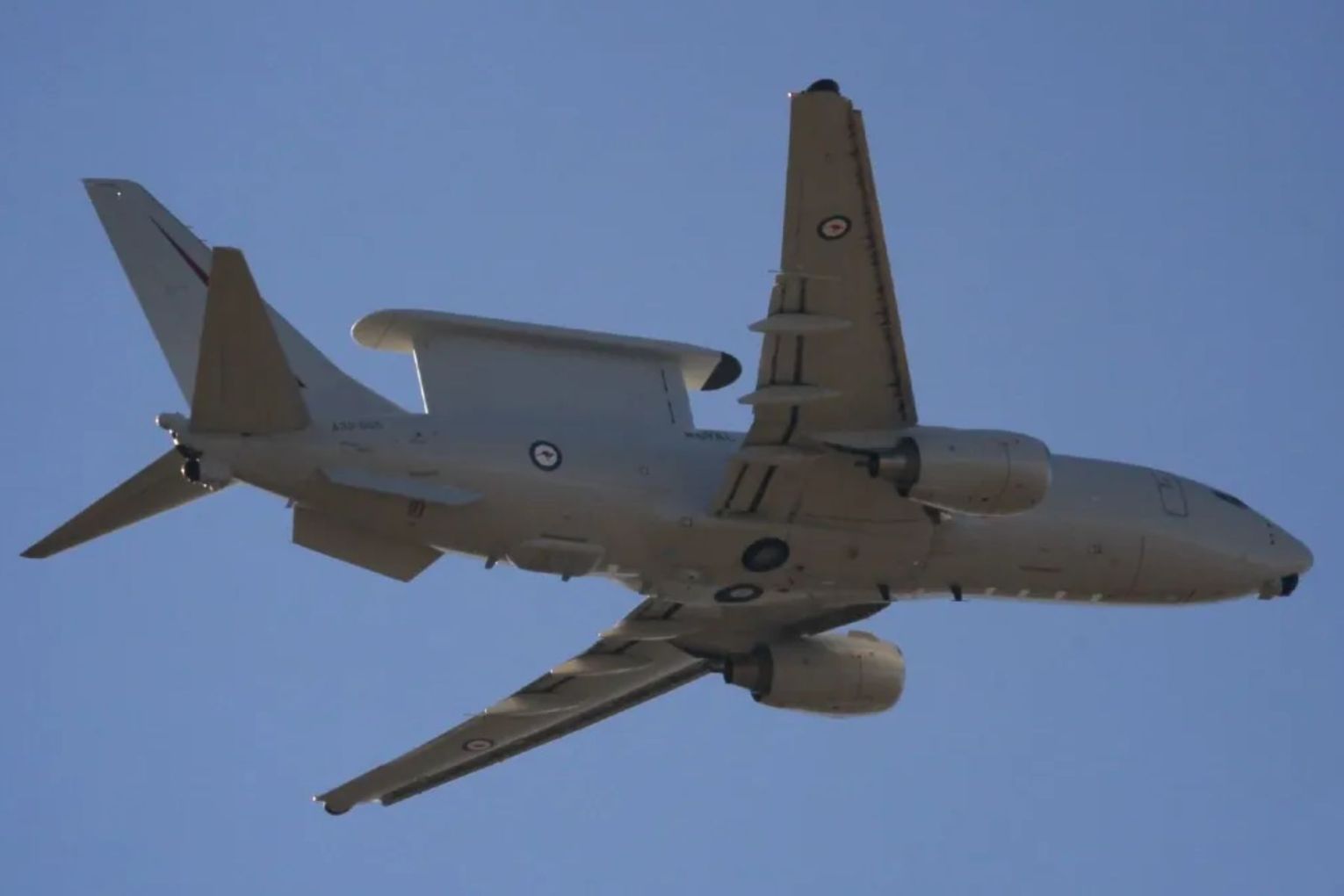
Australia plans to send a high-tech spy plane to bolster multilateral efforts to support the flow of ships through the Strait of Hormuz.
Defence Minister Richard Marles has unveiled plans to contribute the Royal Australian Air Force E-7A Wedgetail aircraft after a virtual meeting of international defence ministers on Tuesday.
The aircraft is a world-leading early warning and control plane and was initially deployed to the region in March to help defend the United Arab Emirates from Iranian strikes.
Operated by No. 2 Squadron, the Air Force’s E-7A Wedgetail aircraft are based at RAAF Base Williamtown, near Newcastle.
At the meeting, Marles and his counterparts from more than 40 countries reaffirmed their efforts to support navigation through the waterway under a joint mission led by the UK and France.
You might like


Traffic through the Strait of Hormuz has been reduced to a trickle since conflict began in the region, after the US and Israel launched strikes on Iran on February 28.
About one-fifth of the world’s oil and liquefied natural gas travels through the waterway, over which Iran has asserted control.
A ceasefire between the US and Iran has been in place since April.
Hopes for a peace deal have dwindled after US President Donald Trump said the ceasefire was on “life support” on Monday.
Stay informed, daily
It followed Tehran’s rejection of a US proposal to end the conflict, as it refused to budge on a list of demands that have been rejected by Trump.
Marles stressed the multinational mission to support movement through the strait was “strictly defensive”.
“Australia stands ready to support an independent and strictly defensive Multinational Military Mission, led by the United Kingdom and France, once it is established,” he said.
The multinational operation is designed to compliment non-military diplomatic and de-escalation efforts, he added.
“We want to see this conflict end, the Strait of Hormuz open and freedom of navigation resume,” Marles said.
“The longer this conflict goes on, the more significant the impact on Australia will be.”
BAE Systems Australia has a Wedgetail Project Team supporting the aircraft’s electronic warfare sensors and effectors program based at Edinburgh Parks in South Australia.
From this facility, the defence company provides engineering, field services, supply, maintenance and management support for Electronic Support Measures and Electronic Warfare Self-Protection systems.
Treasurer Jim Chalmers acknowledged the costs of a prolonged war for households and businesses, as he released the federal budget on Tuesday.
“War in the Middle East has been pushing up prices, pushing down growth, and punishing Australians,” Dr Chalmers said in his budget speech.
He said Australia was well-placed to weather headwinds from the conflict, however acknowledged high oil prices and corresponding hits to commodities including fertiliser could push it to the brink of recession.
Want to see more stories from InDaily SA in your Google search results?
- Click here to set InDaily SA as a preferred source.
- Tick the box next to "InDaily SA". That's it.