How councils set their budgets and what it means for your rates
Draft plans are currently underway – and residents can review the proposals and provide input.
South Australian councils have begun releasing their draft Annual Business Plans and Budgets for the year ahead, opening a key window for community to have their say on local priorities, services and proposed rates.
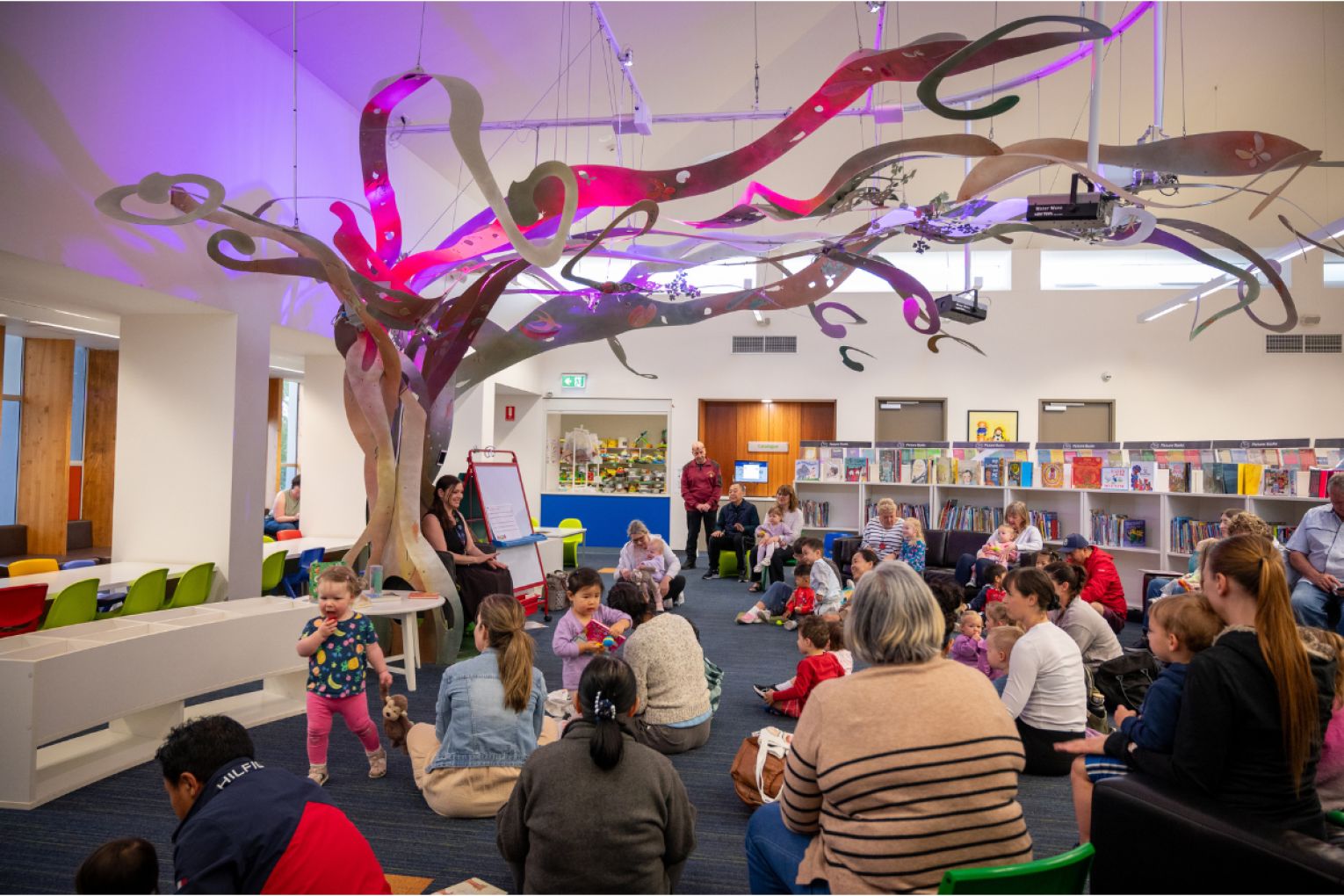
This process shapes how councils invest in their communities. It determines funding for everyday services such as local parks and reserves, playgrounds, libraries, community centre programs, local infrastructure and waste collection, along with new projects and long-term improvements.

A local process shaped by the community
Under the Local Government Act 1999, councils must consult with their communities before finalising their budgets every year, which includes outlining proposed spending and any changes to rates.
Draft plans will be released in the coming weeks, if not already, for feedback with councils adopting their final budgets before August 15.
During the consultation window, residents can review the proposals and give input. Councils accept submissions online or in writing, and many host information sessions or community meetings where residents can speak directly to elected members and administration staff and have their say.
This level of direct consultation is unique to local government and gives ratepayers a clear voice in how their money is spent and which services matter most in their area.
What goes into a council budget
You might like

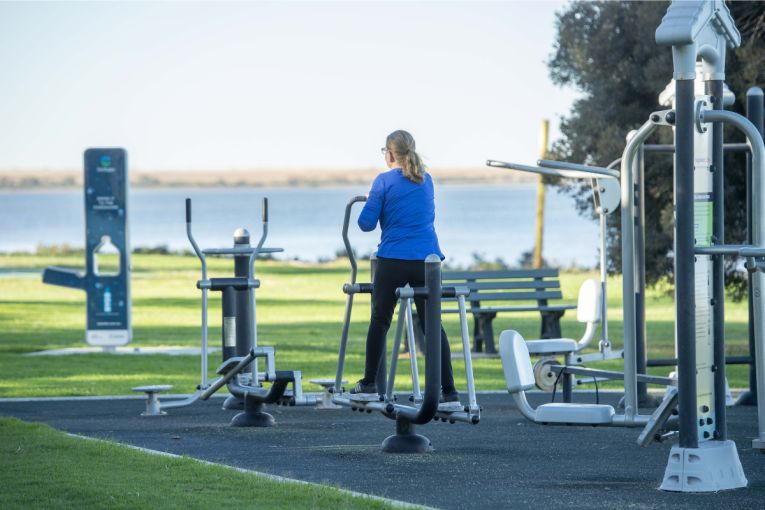
Each council’s Annual Business Plan and Budget sets out how it will fund services and projects over the next 12 months. This includes maintaining local infrastructure such as roads and footpaths, upgrading parks and playgrounds, running libraries and community programs and supporting local economic activity.
Every community has different needs. For example, growing areas may require new infrastructure, while others focus on maintaining existing assets or expanding services.
Councils assess these priorities alongside rising costs, population changes and long-term planning goals.
How rates are calculated
Councils plan their budgets carefully to balance community needs with financial sustainability.
Guided by their long-term financial plans and asset management plans, they assess costs, population changes and local needs and decide which services and projects will be delivered in the coming year.
Once these decisions are made, councils calculate how much revenue is required to fund them and consider other income sources such as grants, before determining how much needs to be raised through rates.
Rates are then set using a “rate in the dollar”, which is applied to all ratable properties and ensures the total amount collected matches the funding required for the year.
Property values are used to determine how the total rates are shared across properties, which are independently determined each year by the Valuer-General of South Australia. Importantly, increases in property values do not automatically increase the total revenue councils collect but only affect how the burden is distributed.
Councils may propose rate increases to fund new infrastructure, expand services or respond to rising costs such as materials, labor and service delivery.
Last year, most metropolitan councils across Adelaide kept rate increases at or below around 6 per cent. Proposed changes for the coming year will become clearer as each council releases its draft budget.
Why rates may change
Councils may propose rate increases to fund new infrastructure, expand services or respond to rising costs – such as increased fuel prices being driven by the Iranian conflict.
Like households and businesses, councils face higher costs for materials, labour and service delivery. These pressures can influence budget decisions.
Last year, most metropolitan councils across Adelaide kept rate increases around or below 6 per cent. Proposed changes for the coming year will become clear as draft budgets are released by each council.
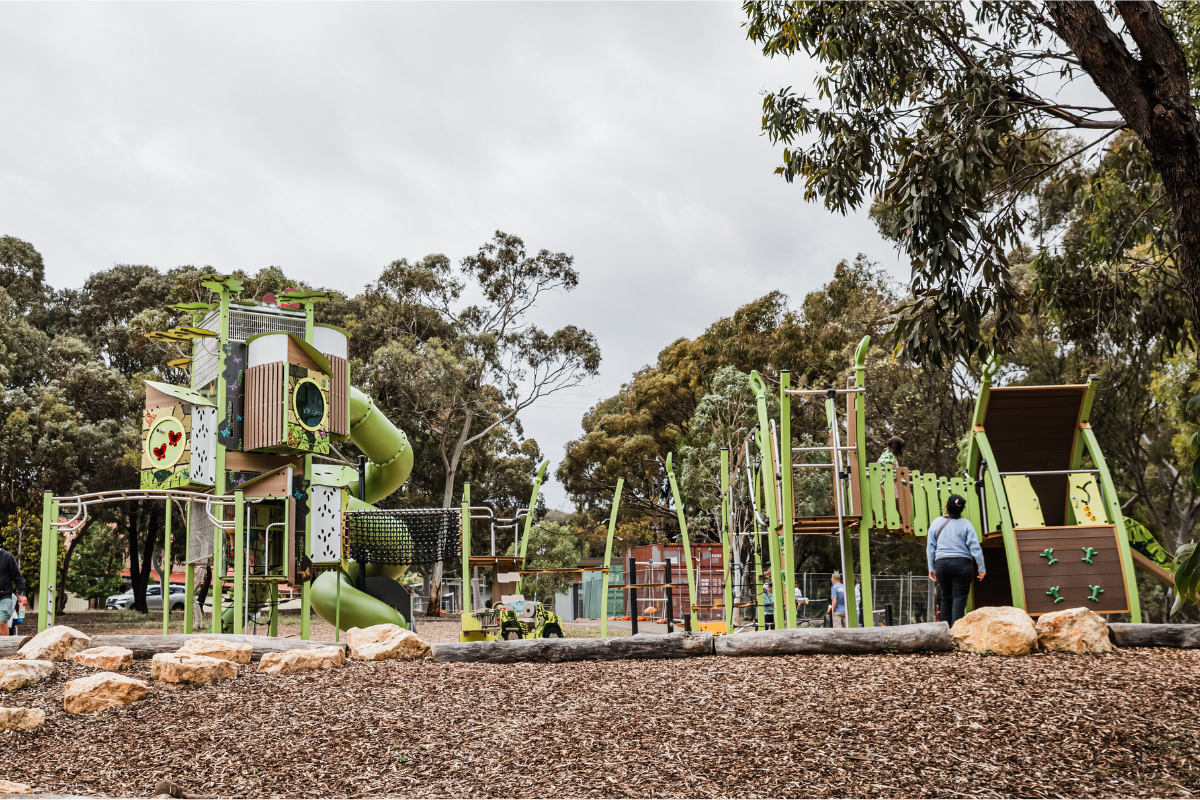
Have your say
Community feedback plays a central role in shaping final budgets.
Residents can suggest changes, raise concerns or support specific projects through the consultation process. Councils use this input to refine their plans and ensure they reflect local priorities.
Information on how to participate, including key dates and submission options, is available on each council’s website. Find your local council.
Support for those who need it
Councils understand that rate payments can be challenging for some households.
Ratepayers experiencing financial hardship can contact their council to discuss payment plans or access hardship policies. Some fees may be waived in certain circumstances.
Eligible Senior Card holders with limited incomes may also be able to postpone part of their rates.
As councils begin consulting on their next budgets, residents have a clear opportunity to influence decisions that shape their neighbourhoods.
From local parks to major infrastructure, community input helps guide how councils invest in the places people live, work and connect and shape your local area.
This article was brought to you by InDaily and LGA South Australia.
Stay up to date with the latest LGA South Australia news and updates from your local council at Local Councils | Where everything comes together.
Want to see more stories from InDaily SA in your Google search results?
- Click here to set InDaily SA as a preferred source.
- Tick the box next to "InDaily SA". That's it.