Where do your rates go? Here are some surprising services that some local councils offer their community
When people think about what councils do, roads, rubbish and rates usually top the list. While these are essential services, you might be surprised to find that many councils deliver a much broader range of services to support their local community.

Across South Australia, local government plays a hands-on role in shaping healthy, connected and resilient communities. From early childhood to older age, and everything in between, councils are often behind the services people rely on but don’t always see.
Council rates are the primary way local government funds these services – with South Australian councils collectively investing more than $2.9 billion each year (including grants) back into their communities, delivering programs shaped by local needs and priorities.

Stay active with free exercise equipment and classes
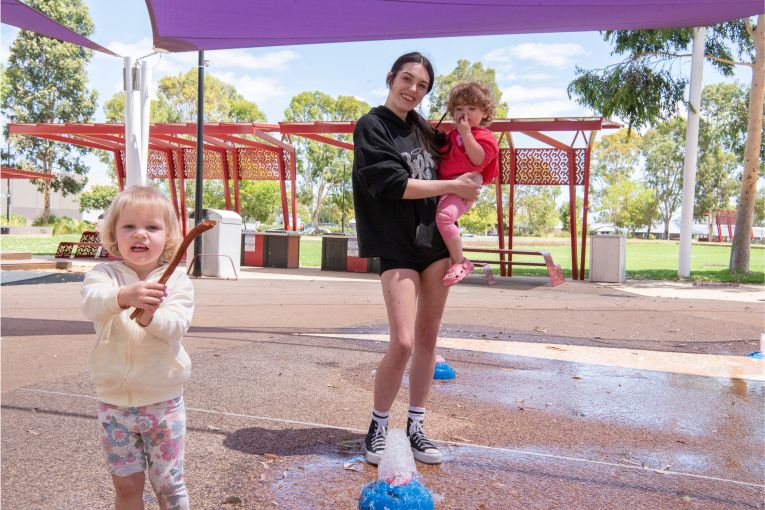
With cost and convenience often being two of the biggest barriers to exercise, many metropolitan and regional councils have invested in free, accessible exercise options that encourage movement for people of all ages and abilities.
Some of the council-supported facilities and activities include:
- outdoor gym locations with equipment for strength training, cardio and improving flexibility;
- low-impact fitness programs and walking groups;
- classes such as yoga, tai chi, night bowls, line dancing or pickleball;
- active kids’ programs and mobility for older adults.
By offering these options closer to home, councils make it easier for residents to stay social and engaged in their local area.
You might like

Public libraries
Public libraries are among South Australia’s most valued community assets, offering far more than just books. They are vital hubs with access to learning opportunities, technology, social connection and essential support services.
Access to digital services is a critical role for libraries. Nearly one in five South Australians do not have reliable digital access at home. Public libraries respond by providing free Wi-Fi, computer access and hands-on digital support to help people build confidence and skills online.
Libraries also deliver programs that reflect the needs and interests of their communities. Each year, South Australia’s public libraries run more than 64,000 programs and events, many of them free. These range from coding workshops and language classes to youth activities, early literacy programs and games sessions. Together, they create safe and welcoming spaces for learning, creativity and connection.
In some council areas, libraries have expanded their offer even further through a growing “Library of Things”. With a library card, residents can borrow practical items such as baking tins, sports equipment, sewing machines and even camping gear. This initiative gives people affordable access to tools and equipment they may only need occasionally, while encouraging skill-sharing and sustainability across the community and reducing wastage.
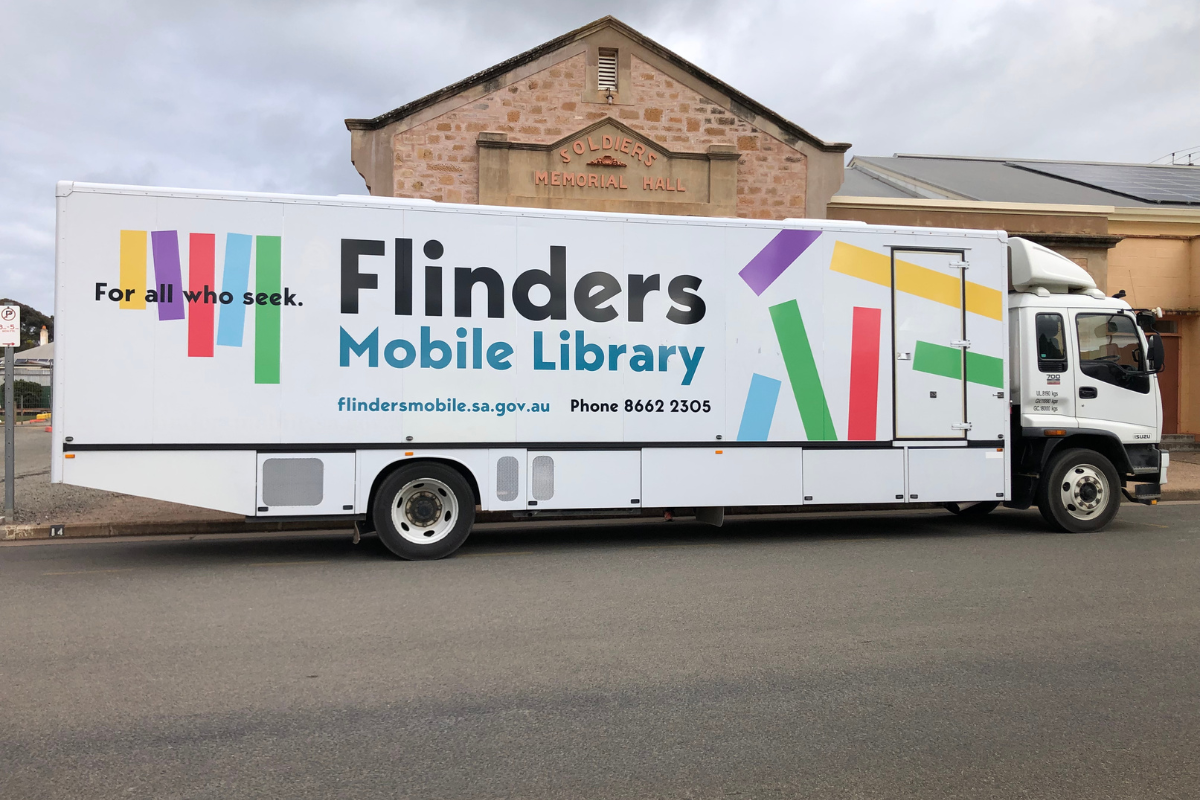
For some residents – particularly those in regional or hard-to-reach areas – accessing a physical library branch is not always easy. Select councils offer mobile libraries that help bridge this gap, bringing both physical and digital resources directly into local neighbourhoods and ensuring communities remain connected to information, technology and services, regardless of location.
Port Pirie Regional Council, Northern Areas Council and Mount Remarkable District Council are just a few of the councils who offer this service and have a long-standing partnership to provide a free, fortnightly mobile library service to 16 towns and nine schools across the three council regions.

Supporting health and wellbeing
Some councils play a key role in supporting community health, with immunisation clinics and programs at council facilities – often in partnership with the state or federal governments. These services provide convenient, affordable access to vaccinations that help protect individuals, families and the wider community.
One example is the City of Charles Sturt, which partnered with Health and Immunisation Management Services (HAIMS) to deliver new drop-in immunisation clinics. As of this year, clinics will be held at multiple locations each month, giving residents greater choice and flexibility for their families.
City of Playford and City of Marion also provide free immunisation services to new arrivals and refugees as part of the NARI program.
Beyond immunisation programs, councils work closely with SA Health and Preventative Health SA to support broader health and safety outcomes, including:
- maintaining hygiene and sanitation standards through the management of swimming pools, cooling towers, and community wastewater management systems;
- regulating food businesses and personal care services, including hairdressers, beauty salons and tattoo studios;
- developing wellbeing hubs to improve the physical, social and mental wellbeing of local communities. This is done through access to programs, information and services that promote physical activity, healthy eating and opportunities to reduce loneliness and social isolation.
Community transport services
For residents who are unable to drive or access public transport, many councils offer community buses to help make every day essential tasks possible for concession card holders and other eligible residents.
Offering safe and reliable access to medical appointments, shopping centres and social activities, councils help eligible residents – often those aged over 65 or with a disability – to stay connected to community life, playing an important role in reducing social isolation and supporting independence and wellbeing.
For a $2 gold coin donation, City of Mitcham offers a weekly door-to-door community bus service to support residents with transport challenges to the Blackwood, Mitcham, Pasadena and Castle Plaza shops, as well as monthly trips to Westfield Marion and the SA Aquatic Centre. The buses are driven by volunteers who are trained and accredited and able to assist residents.
Adelaide Plains Council also provides a monthly bus from Mallala to the Elizabeth City Centre on the third Friday of each month for the low cost of $5 per return trip. Through Care in Motion, the council also provides a community car for residents to attend local medical or health appointments and a medical bus service, which runs four days a week to metropolitan medical and specialist rooms. A fee applies to these services.

Youth programs and safe spaces
When young people feel safe, included and supported, they are more likely to learn, grow and thrive – building confidence, developing new skills and forming positive relationships.
Recognising this impact, many councils across the state offer a wide range of youth programs that provide welcoming spaces with connection and belonging in mind.
From homework clubs and school holiday activities to youth centres and mentoring initiatives, these council-led programs support positive youth development while strengthening connections among young people, their families and the wider community.
City of Port Adelaide Enfield is committed to providing opportunities for young people in the community through a range of youth events. The programs on offer include a free after-school program MOVE & GROOVE, designed to keep all school-aged children and teens safe and active, a homework club that provides a free tutoring service for refugee students and small business mentoring for teens.
City of Onkaparinga is also investing in young people through its How to Adult program, in partnership with the Department of Human Services. The initiative equips young people with essential life skills to support a successful transition into adulthood, covering important areas such as financial literacy, first aid, healthy relationships and consent.
Other accessible, practical and engaging activities delivered by Onkaparinga’s Youth team include sports sessions, social connection programs, creative workshops, mentoring opportunities and small business support. The council’s three youth centres provide safe and accessible spaces for young people aged eight to 25. Students can drop in after school, young musicians can rehearse with their bands, and teenagers can connect peers in a supportive environment. Together, these spaces and programs strengthen youth wellbeing and create pathways for personal growth.
Environment and climate
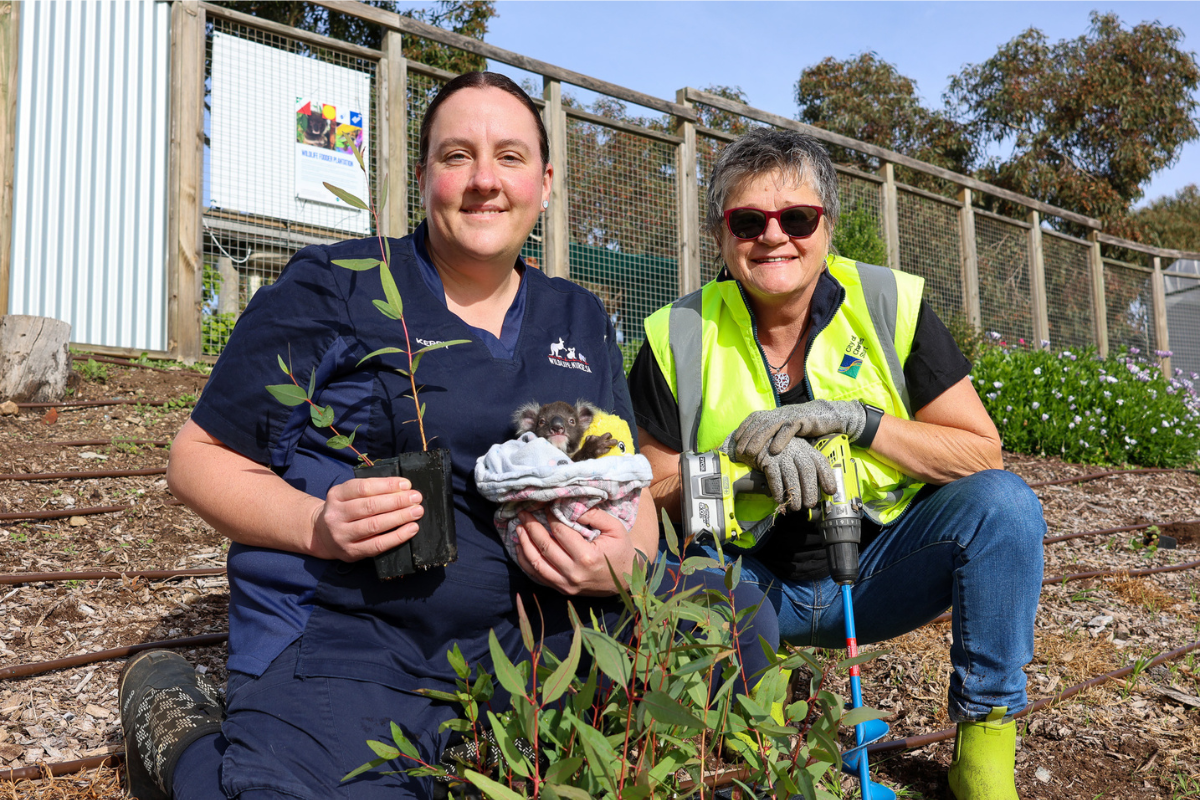
Environmental sustainability is another growing area. Many councils are leading the way with programs to help residents reduce waste, improve recycling and transition to greener living.
Initiatives like food organics and garden organics (FOGO) collections, tree planting and biodiversity projects all contribute to a healthier local environment and save money by diverting waste from landfill which costs councils money.
The City of Charles Sturt offers its residents, schools and businesses the opportunity to purchase 10 locally indigenous plants for just $10 to help add nature to its neighbourhood and cool its suburbs. Many other councils also offer residents tree-rebate incentives, providing financial assistance towards the purchase and planting of a shady tree to enhance shading and cooling.
Your voice matters
From setting budgets to delivering local projects, local input helps guide priorities and ensure funding is directed where it is needed most.
So next time your rates notice arrives, it’s worth remembering that it contributes to far more than just the basics. It helps fund the programs, services and spaces that keep communities connected, supported and thriving – often in ways that aren’t immediately visible, but are deeply valued by those who rely on them every day.
Residents can visit here to learn about opportunities to have their say and provide feedback, helping shape the services, spaces and programs.
This article was brought to you by InDaily and LGA South Australia.
Stay up to date with the latest LGA South Australia news and updates from your local council at Local Councils | Where everything comes together.
Want to see more stories from InDaily SA in your Google search results?
- Click here to set InDaily SA as a preferred source.
- Tick the box next to "InDaily SA". That's it.