‘Anxiety was relentless’: Mum’s message as perinatal service expands in SA
New and expectant parents will have free and accessible mental health support with the first Gidget House in South Australia, joining dozens across the nation.
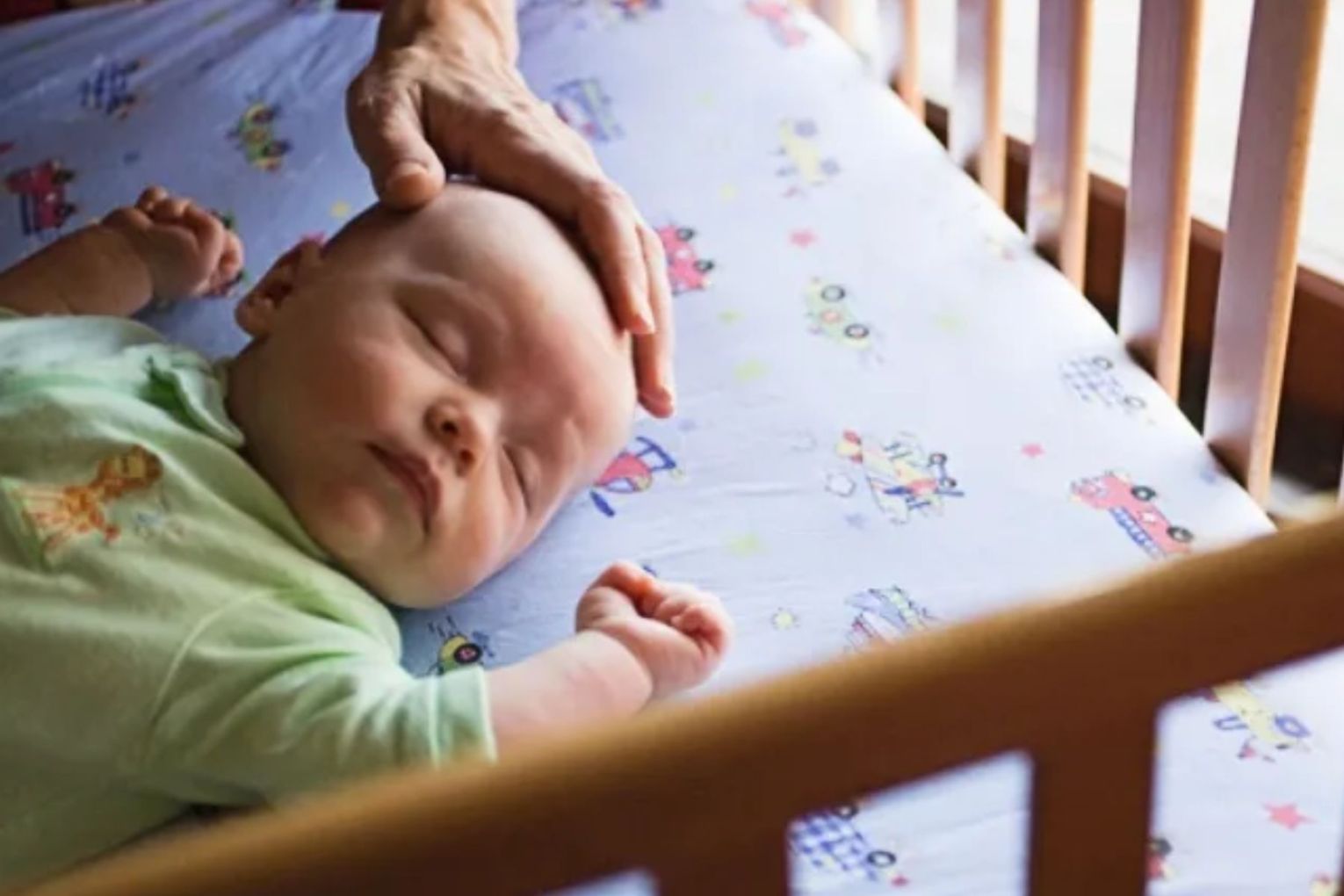
Parents and parents-to-be in South Australia will soon have access to free, face-to-face and telehealth mental health services as the state’s first Gidget House opens.
Named after a young mum who died by suicide while experiencing postnatal depression, the Gidget Foundation supports the mental health of expectant and new parents.
Since its inception 25 years ago, the Gidget Foundation has supported more than 16,000 families across 43 Gidget House locations nationally.
Gidget House Elizabeth at United Way South Australia was opened on Tuesday, as data reveals more than a third of South Australian parents have experienced perinatal mental health symptoms but had not sought professional help.
For Annabel Bower, opening the newest Gidget location was not just a milestone for the state but a message.
“A message that perinatal mental health matters, that it is seen, that it is being taken seriously and that no one should have to navigate it alone,” she said at the Gidget House Elizabeth opening.
You might like
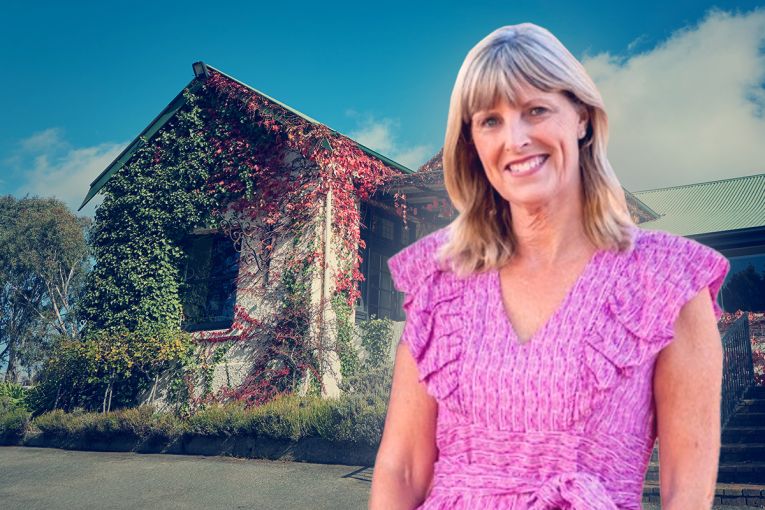
Bower’s experience of motherhood has been characterised by both joy and heartache.
Her third child, Bonnie, was born prematurely after a high-risk pregnancy and required four weeks care in a neonatal intensive care unit.
“The anxiety I lived with after her birth was exhausting and relentless,” she said.
“It took me months to seek help, but once I did all I could think was that I wished I’d done so sooner.”
When Bonnie was almost three, Bower’s son Miles was stillborn.
“There is still a silence that surrounds perinatal mental health, and an even deeper silence when it comes to baby loss,” she said.
Stay informed, daily
“The most powerful, brave, courageous thing you can do in that moment is reach out (and) to say, ‘I need help’.”
Bower went on to write Miles Apart, a book she hopes will give comfort and solidarity to other families who have experienced loss.
Having access to services such as Gidget House would help parents see that support was visible, accessible and normal, Bower said.
“Please do not wait until you are at breaking point to seek support … healing doesn’t happen alone in the shadows, it happens in connection,” she said.
About 100,000 parents experience perinatal depression and anxiety annually in Australia, with one-in-five mothers and one-in-10 fathers impacted.
In South Australia, only a quarter of expectant parents surveyed had their mental health screened during the prenatal period.
“When people don’t know where to go for help, their trauma can feel even heavier and deepen,” Gidget Foundation Australia chief executive Arabella Gibson said.
“When help is close, accessible and personal, we empower people to seek it early, to stay well, and to thrive, not just survive.”
Lifeline 13 11 14
beyondblue 1300 22 4636
-with AAP
Want to see more stories from InDaily SA in your Google search results?
- Click here to set InDaily SA as a preferred source.
- Tick the box next to "InDaily SA". That's it.