‘Beyond distressing’: Study lays algal bloom mental health impacts bare
New research shows the devastating mental health impacts of South Australia’s harmful algal bloom. One respondent said her morning “connect-with-nature walk” had turned into a “morning death walk”.
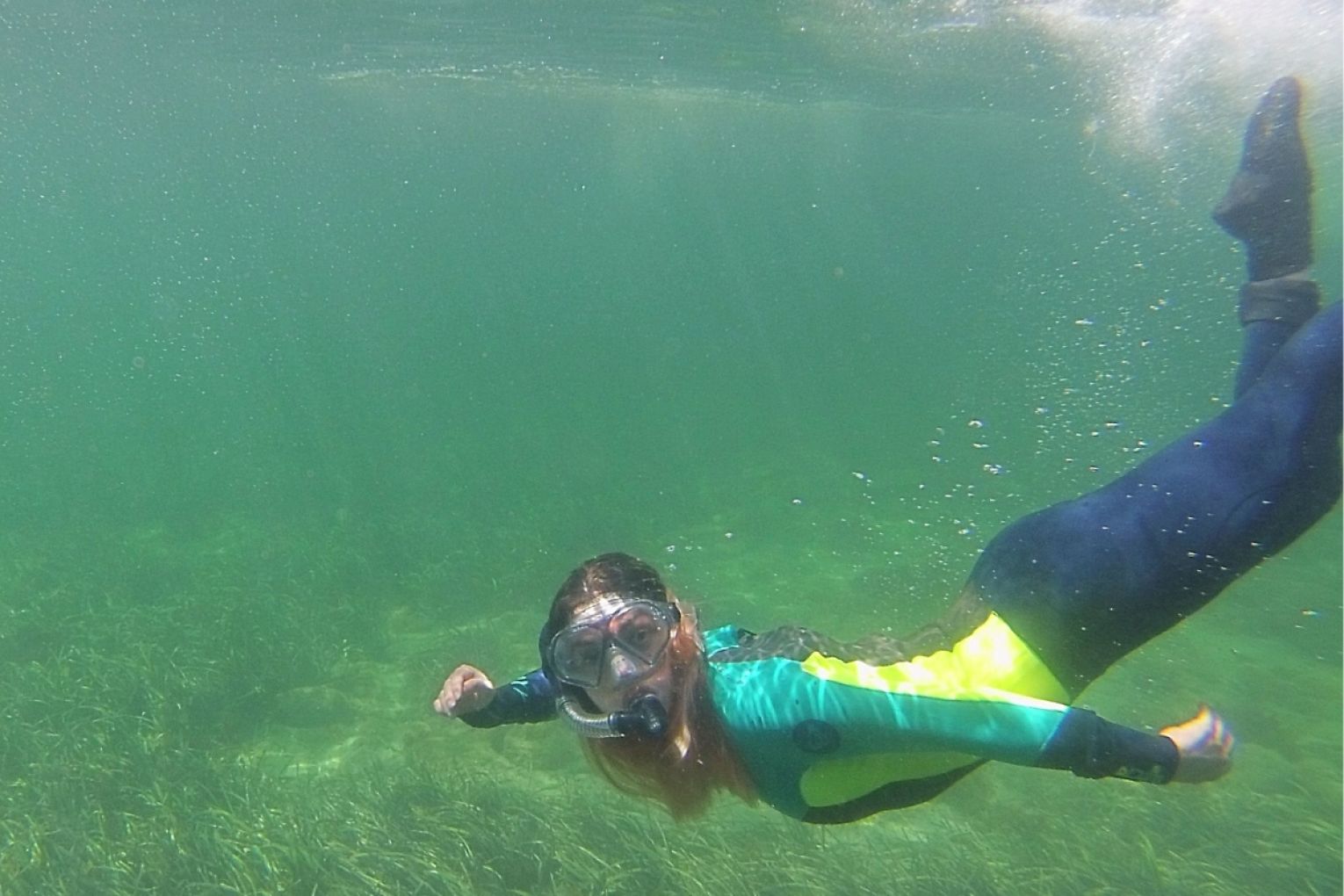
The Adelaide University study, titled ‘Psychological toll of marine environmental crisis’ and appearing in the Journal of Environmental Psychology, found “that this crisis has had notable impacts on people’s emotions, thoughts, and behaviours”.
“Our findings reveal that marine environmental crises can evoke profound psychological impacts, disrupt restorative relationships with nature, and erode everyday wellbeing,” the study found.
Lead researcher Dr Brianna Le Busque said there was not much known about how environmental disasters affect mental health, saying the study provides a snapshot over two weeks.
Le Busque is a program director of environmental science and geospatial science at Adelaide University.
“We found that there were high levels of eco-anxiety across all the subscales of eco-anxiety, but the most prominent ones we saw are one, around ruminations,” she said.
“We hypothesise that this would be similar to other environmental impacts, so things like bushfires or cyclones or lots of other things that can happen.”
Eco-anxiety refers to feelings of anxiety and worry around negative environmental changes.
You might like


The study explored mental health impacts experienced by people in the two weeks prior to the survey being conducted, which was open to respond to from June to July 2025.
Of the more than 600 people who took part, in excess of 60 per cent reported experiencing rumination or personal impact or that their personal behaviour would not fix the harmful algal bloom.
Meanwhile, more than half felt afraid or anxious about the algal bloom, and 20 per cent reported symptoms such as difficulty sleeping over several days.
Of those directly impacted by the HAM, 47 per cent no longer pursued hobbies like surfing, swimming, diving or walking at the beach, while another eight per cent stopped recreational fishing, and 39 per cent said their mental health had been affected.
Thirty-three per cent of respondents said their distress was caused by seeing dead marine life wash ashore, with one 41-year-old female business administrator saying it was “beyond distressing”.
One 50-year-old female farmer said her morning beach walk had turned from “a connect-with-nature walk to the morning death walk”.
Another respondent, an 81-year-old male scientist, likened the harmful algal bloom to “the death of a loved one”.
Le Busque said one in five people reported behavioural symptoms like not being able to sleep or concentrate at work.
Stay informed, daily
“Almost 70 per cent of people said that they essentially couldn’t stop thinking about the bloom in the past two weeks prior to the survey,” she said.
“Then the second most frequent one was around people essentially feeling hopeless, that they couldn’t do anything about the bloom.”
Le Busque said a prominent theme was people “feeling disconnected from a place that they realised was really important to them”.
“A lot of people talked about that they spent a lot of time at the beach – they might have walked along the beach every day, gone surfing really regularly, and they didn’t realise how important that actually was for their mental health until they weren’t able to do it,” she said.
While the study only provided a snapshot of the harmful algal bloom’s mental health impacts, Le Busque said she and colleagues were currently collecting more data to explore long-term impacts.
Asked if there were enough government mental health supports in place, Le Busque said, “anecdotally, a lot of clinical psychologists or people working in that space have been training themselves on this”.
“We do need more scientists and researchers working on this to actually understand, particularly things like how long it impacts mental health and what some interventions could be around this,” she said.
“There’s quite a bit of preliminary research to show that actually being connected and immersed with nature is a nice way to minimise eco-anxiety levels”.
Preventive Health SA deputy chief executive Melissa Bradley said “a range of mental health supports are available for South Australians worried about or otherwise impacted by the harmful algal bloom”.
This included a free 24/7 hotline to help people access algal bloom support services and $700,000 in the summer plan for mental health wellbeing support.
Bradley said Preventive Health SA “is providing mental health wellbeing education and support to communities”, including through the Connecting with People program for coastal communities.
In addition, Preventive Health has a partnership with Red Cross to support community resilience activities, as well as supporting the seafood industry through programs such as Stay Afloat, and grant programs for councils to support “local delivery of community‑led activities that strengthen resilience, social connection and mental wellbeing”.

Want to see more stories from InDaily SA in your Google search results?
- Click here to set InDaily SA as a preferred source.
- Tick the box next to "InDaily SA". That's it.