Outspoken ecologist raises new questions over government algal bloom science
“Gone does not mean fixed.” An outspoken scientist clarifies controversial claims she made to a parliamentary committee on algal blooms, questioning the effectiveness of government testing.
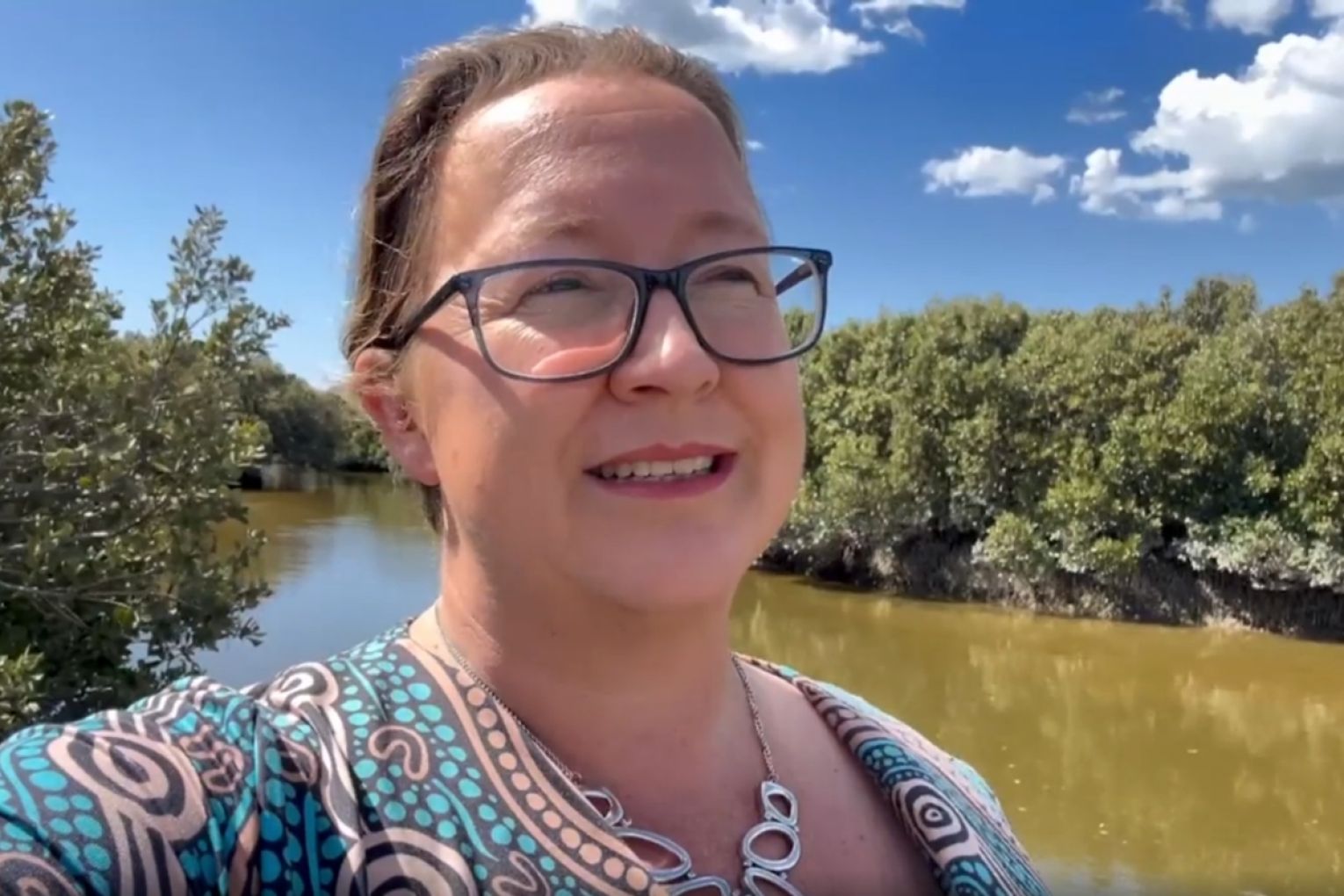
EcoProTem principal ecologist and now independent upper house state election candidate, Faith Coleman, has clarified her statement on claims of political inference surrounding the algal bloom.
Coleman had presented the evidence to the State Parliament’s Joint Committee on Harmful Algal Blooms in South Australia in January, saying that she heard from “three separate staff from three separate agencies across two ministerial portfolios” that they were told not to investigate the algal bloom’s cause until after the election.
“When I went and said what I said in a parliamentary committee, I reported three conversations. I didn’t say if they were true or not,” she said.
“It could’ve been they were pissed off with their boss, and they didn’t want to answer my questions. It could have been that they had too much else on their plate and really limited resources … It could be a million and one reasons.”
Senior public servants were quick to rule out the allegations, with SARDI executive director, Professor Mike Steer, saying that his staff had been “put under considerable pressure to work faster and deliver”.
The committee handed down its final, 38-page report last week, making 11 recommendations, including that the state government reaffirm its commitment to net zero emissions by 2050.
Coleman quit her roles on two government algal bloom panels in January – the Harmful Algal Bloom Scientific Advisory Committee and SA Algae Bloom Reference Group – after having made the claims, saying the resignations had been “incredibly liberating”.
You might like

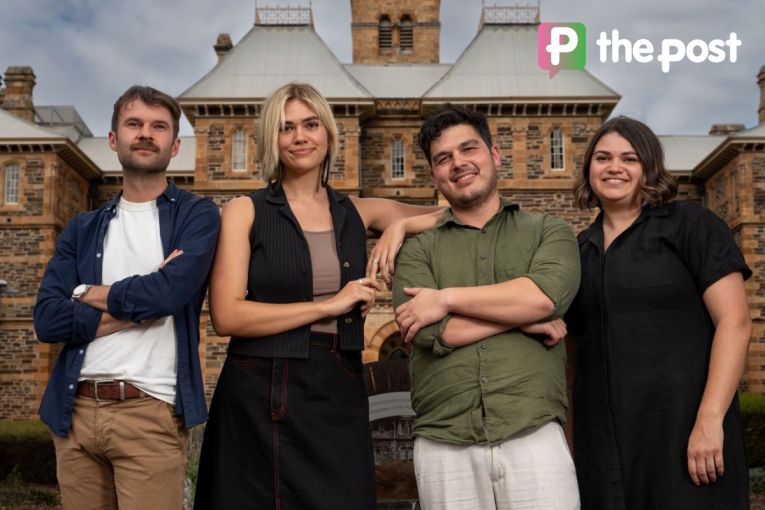
She was one of three speakers at the Science Before Spin algal bloom forum at Duke of Brunswick over the weekend, alongside Green-turn-independent MLC Tammy Franks and Councillor Keiran Snape, who is running as an independent candidate for Adelaide in the state election.
In the session, Coleman said she had received reports from fishers that water at Boatswain Point had turned brown in November 2024, before it was first detected in March 2025.
There was also dead seaweed on the beach, which is uncommon at this time of year, she said.
“The fishermen tell me the water turned brown, and, what happened when you go through the satellite imagery is you can literally see the rock weed, which is like a large brown algae, melting off the rocks,” she said.
“And we know one nutrient source Karenia can use, that nothing else can, is rotting microalgae.”
Coleman warned that there could be long-term impacts on sea life from viruses and pathogens after the algal bloom had dissipated – and this would take anywhere from 18 months to seven years to make itself known.
“Gone does not mean fixed, and when the system is stressed, you’re more likely to get another bloom,” she said.
Coleman also questioned the effectiveness of testing into the algal bloom, saying that the time of day the waters were tested could affect the result.
Stay informed, daily
“If you’re out there at four, five, six, seven o’clock in the morning, even 10 or 11 during winter, you’re going to get a big, fat zero,” she said.
“And yet, when my community members go there … they discover, at three o’clock after school, often they’ll go down, they’ll take a sample, and they get a count of millions.
“Anything above 100,000 and we are dealing with things that are dying in the water.”
She also criticised the government for what she claimed was inadequate information on the causes of the algal bloom.
“There’s a whole heap of causes and, of course, because people weren’t comfortable with the causes that were presented, a whole heap more bubbled up. I reckon I have a list of 67 different conspiracy theories about how this bloom started,” she said.
Environment Minister Lucy Hood previously said the state government has clearly and consistently communicated the causes of the algal bloom.
“From the very beginning, we’ve been very clear about the three environmental factors in the lead-up to the bloom – they were the River Murray floods, it was the cold water upwelling that brings nutrients to the coast and also an unprecedented marine heatwave – so, we’ve been very clear about that,” she said.
Last week, Coleman announced she would run as an independent in the March state election on the same ticket as Franks.
A state government spokesperson said that Coleman “has declared herself a political candidate and her latest claims seeking to politicise this issue were made alongside her running mate, Tammy Franks”.
The spokesperson said the state government had implemented a regime of expanding testing both onshore and offshore in Yorke Peninsula, which remains the only active bloom area in the state.
“Timing of water sampling, including offshore, varies and results – published online and providing a trend analysis with consistent sampling – can vary based on environmental factors and local conditions,” he said.
“Four hi-tech monitoring buoys have been deployed at St Kilda and Stansbury in Gulf St Vincent, along with Kangaroo Island and Port Lincoln – with two more buoys to be installed in the coming weeks, boosting real-time monitoring and detection.
“Our government continues to support citizen scientists, including delivering a $15,000 grant to the Formby Bay Environmental Action Group for a community-led marine biodiversity monitoring program.”
Want to see more stories from InDaily SA in your Google search results?
- Click here to set InDaily SA as a preferred source.
- Tick the box next to "InDaily SA". That's it.