‘Staggered’: SA’s most senior public servants rule out algal bloom political interference
SA’s most senior public servants are ruling out bombshell allegations that government staff were told not to investigate the cause of the algal bloom until after the election.
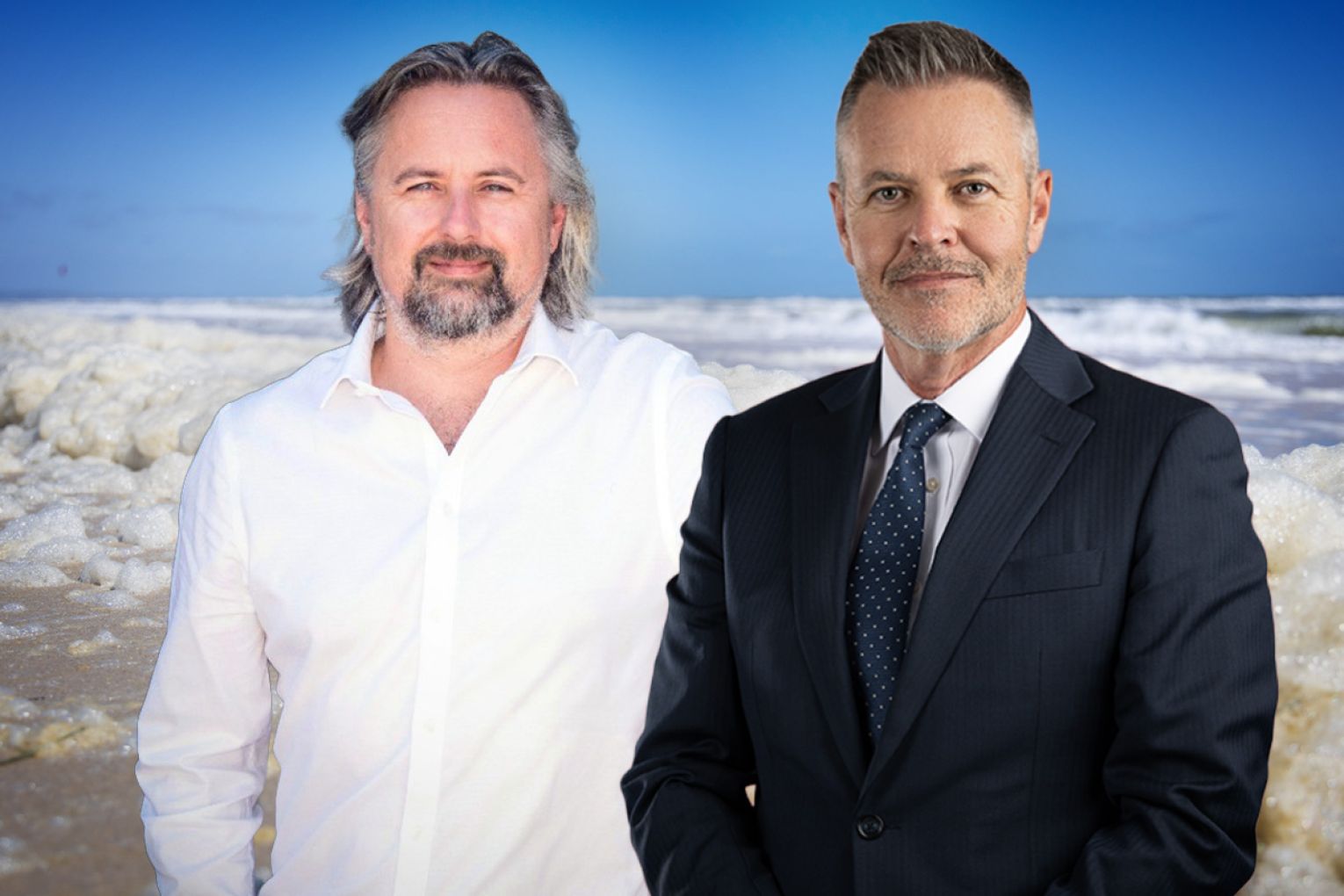
Some of South Australia’s most senior public servants, including Department of Premier and Cabinet chief executive Rick Persse and SARDI executive director Mike Steer have denied the “shocking” allegations at today’s urgent hearing of State Parliament’s Joint Committee on Harmful Algal Blooms.
“I was staggered when I saw the reports, that is from Mrs Coleman. I can categorically rule out that I have received or have given any direction to any public servant in any agency to go slow, halt progress, do anything. In fact, quite the opposite is true,” Perrse said, while Steer said, “absolutely no direction; in fact, the team has been put under considerable pressure to work faster and deliver”.
Persse also ruled out that members of the public service “could have formed a view” that it would be “disadvantageous” to conduct investigations that embarrass the government politically.
“The counterfactual is true in the sense that there is no other issue in my time in government – a long time – that has had greater focus and cadence at the cabinet committee level,” he said.
Also appearing before the committee was Professor Mehdi Doroudi and Ben Bruce, who is chief executive of the Environment and Water Department.
Today’s hearing comes after EcoProTem’s principal ecologist Faith Coleman made bombshell claims at Wednesday’s Joint Committee hearing, claiming that government staff were told not to investigate the cause of the algal bloom until after the March 2026 state election.
You might like
Coleman said that “the political spin that’s come into discussing the causes of this bloom has deeply disturbed me”.
Environment Minister Lucy Hood said yesterday that “these claims are simply not true”, saying that “the fact is that the opposite is true”.
“We’ve been investing significantly in this unprecedented algal bloom and natural disaster, in which we have more than $100 million dollars from our Summer Plan in order to tackle this challenge, which includes more than $37 million dollars for science and research, monitoring and also environmental resilience and recovery,” she said.
“We are putting our foot to the accelerator and our public servants are working incredibly hard, around the clock … because we are guided by the experts, we’re guided by the facts and science, and we want as much information as possible.”
Opposition Leader Ashton Hurn labelled Wednesday’s evidence as “really confronting”, “frankly shocking”, “scandalous” and “explosive”.
“I think that it sent shockwaves, really, right throughout South Australia, and the reaction of people right across the state, I think, has been something of anger, of frustration” she said.
Stay informed, daily
“These weren’t just throwaway lines at a barbecue; this was evidence given at a parliamentary hearing that ought to be taken extraordinarily seriously.”
SA Greens Leader Robert Simms MLC, who chairs the Joint Committee, said Coleman’s claims were “deeply disturbing”.
“The Malinauskas Government must investigate these claims and assure the South Australian community that they have not sought to stymie any investigations into the causes of this bloom in any way,” he said.
Following today’s hearing, Simms welcomed the senior public servants’ clarification but was concerned “that some public servants could form a view that they should not disclose information if it is not in the interests of the government of the day”.
“I urge the Government to do whatever it can to address any potential cultural issues and to create an environment where public servants feel comfortable to disclose undue political influence or breaches of the Public Sector Code,” he said.
It comes as the latest testing results from the week beginning 28 December showed that 20 out of 21 metropolitan onshore sites recorded no or low levels of Karenia.
Zero levels of Karenia were recorded at 11 of the 21 sites, including Port River North Haven Boat Ramp, West Lakes Exit, West Beach Boat Ramp, Glenelg Jetty, Hallett Cove and Port Noarlunga.
Only one metropolitan onshore site – West Lakes Lochside Footbridge – recorded elevated levels of Karenia with 13,400 cells per litre.
As for regional areas, testing results showed zero or low levels of Karenia across much of the Eyre Peninsula, Yorke Peninsula and Fleurieu Peninsula, with elevated levels detected at Whyalla Jetty (14,000 cells per litre) and Emu Bay Jetty on Kangaroo Island (27,820 cells per litre).
Steer said the results were “very encouraging”, particularly in Gulf Saint Vincent and metropolitan Adelaide.
“We’ve seen consistent low to no levels of Karenia along that coastline for many weeks now,” he said.
“We’ve also seen a real reduction in the amount of dead sea life that is washing up, and it’s great to see that a lot of South Australians are enjoying those beaches along the metropolitan coast during summer.
“There are, however, still pockets of activity that we’re actively monitoring. There are some active bloom areas, although relatively isolated in comparison to what we’ve been seeing, say, in October and November.”
Want to see more stories from InDaily SA in your Google search results?
- Click here to set InDaily SA as a preferred source.
- Tick the box next to "InDaily SA". That's it.