Early voting, postal options and polling day: Your guide to the 2026 State Election
With the state heading to the polls on March 21, voters can choose from more ways to cast their ballot than ever before. Here’s how the process works – and how the Electoral Commission of South Australia (ECSA) conducts the election.
South Australians will head to the polls on Saturday, March 21 for the 2026 State Election, and Electoral Commissioner Mick Sherry is reminding eligible electors to vote.
“The South Australian State Election is your chance to have your say and help shape our state’s future,” he says.
Early voting opens on Saturday, March 14 and runs through to Friday, March 20, excluding Sunday, March 15. Polling Day is Saturday, March 21, with voting centres open until 6pm.
This year, more voters than ever before will be able to cast their ballot ahead of election day. “Under new legislation, every elector can vote early without eligibility requirements,” Commissioner Sherry says. “For the week before polling day, early voting centres will be open in every district across South Australia, giving voters more choice, reducing congestion and creating a smoother, more convenient voting experience.
To support the change, ECSA is delivering the largest early voting program in the state’s history, with 59 early voting centres compared to 37 in 2022.
Postal voting is also available for those who meet specific criteria, including being interstate during the voting period, living more than 8km from a polling place, being ill, infirm or disabled (or caring for someone who is), working and unable to leave the workplace to vote, or being subject to quarantine or isolation directions.
You might like


Postal applications for locations outside South Australia close at 5pm on Friday, March 13, while postal applications within South Australia close at 5pm on Tuesday, March 17. Postal voting packs can be expected to arrive from Tuesday, March 10. Electors can apply online or by calling 1300 655 232. Postal votes can be sent to any location where the elector will be staying.
Telephone assisted voting (TAV) will be available from Saturday, March 14 to Saturday, March 21, excluding Sunday, March 15. “The service provides a convenient and accessible voting option for electors who are blind or sight impaired or who cannot vote without assistance due to motor impairment,” Commissioner Sherry says. Eligible electors can telephone 1300 951 579 to speak to an Electoral Official to commence the voting process.
While voting on polling day remains a familiar ritual for many, ECSA is keen to support groups that historically record lower turnout including young voters aged 18-34, culturally and linguistically diverse communities, people living with disability and South Australians experiencing homelessness.
“We provide multiple ways to vote, new reforms that simplify early and postal voting, and a suite of accessibility tools from telephone-assisted voting for people with vision or motor impairments, to easy read guides, enrol-and-vote guides in 21 languages, bilingual polling officers, large-print materials, tabletop voting screens, maxi pencils and portable magnifiers,” Commissioner Sherry says.
“All polling places will recognise the Hidden Disabilities Sunflower program, and we’re piloting inclusive early voting centres alongside new resources like a ‘Plan to Vote’ checklist, the ECSA TV video explainer hub and online practice voting tools to reduce anxiety for first-time voters.
“We’re also sharing information through Vision Australia Radio and Fresh FM to reach voters who prefer audio content. Full details on accessibility support are available at ecsa.sa.gov.au/accessibility.”
For South Australians without a fixed address, Commissioner Sherry says there are pathways to participate. “They can enrol as an eligible itinerant elector if they satisfy the criteria under the Act. The elector is required to use their last known address or similar to base their state enrolment application.
“The recent reforms to the electoral act now allow for an itinerant elector who fails to vote in an election to be excused as a valid and sufficient reason due to the nature of their enrolment status. This provision harmonises with other electoral jurisdictions across Australia.”
Concerns about misinformation and electoral integrity have also shaped this year’s communications effort. Strong information integrity measures such as the ‘Mis Dis Register’ and public education campaigns that help detect and counter false or misleading claims; and voter focused transparency initiatives like ECSA TV, which explain processes and reinforce trust in how elections are run,” Commissioner Sherry says.
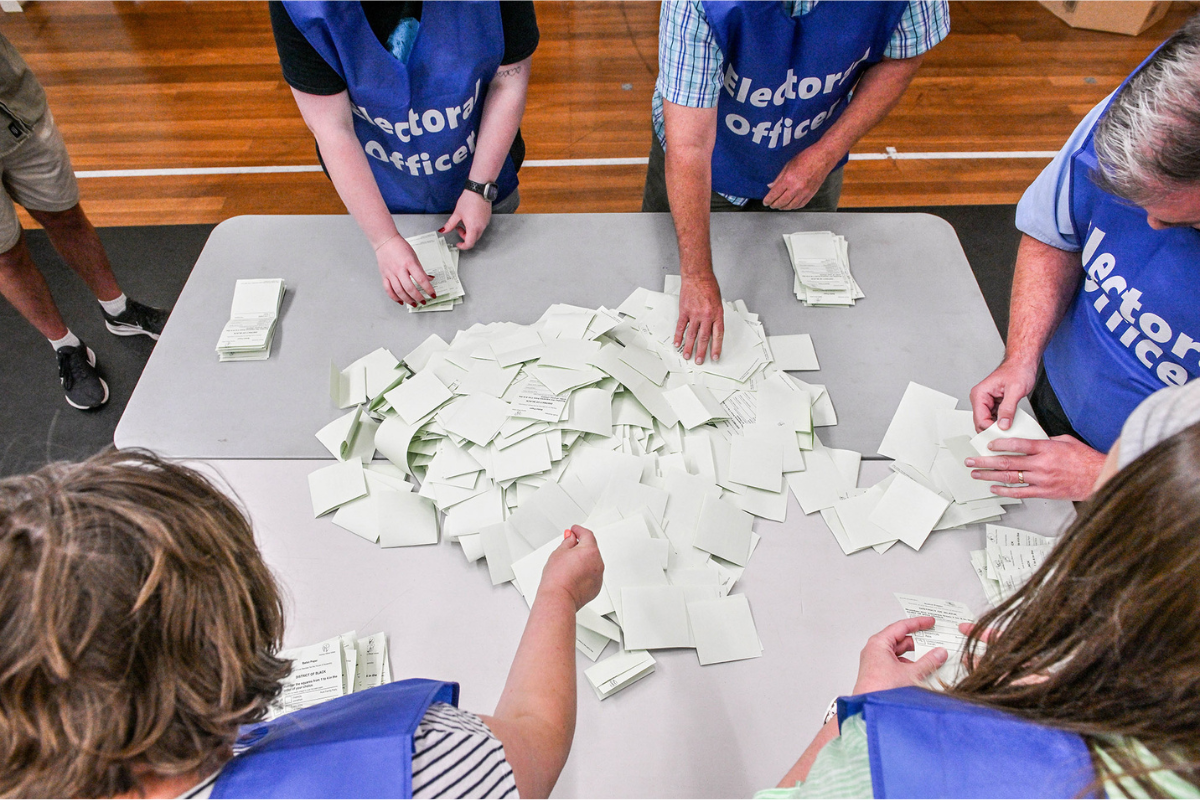
Behind the scenes, he says, multiple layers of protection operate to ensure votes are “counted accurately, securely and impartially”.
“Polling places are staffed by trained election officials working under a clear management structure led by a polling booth manager. All staff complete mandatory training, follow a strict Code of Conduct, and perform defined roles that ensure accountability.
“Before a ballot paper is issued, electors are verified using the Electronic Mark-Off Application. Officials confirm the elector’s identity, enrolled address and voting status through mandatory questions, and the elector is marked off the roll.”
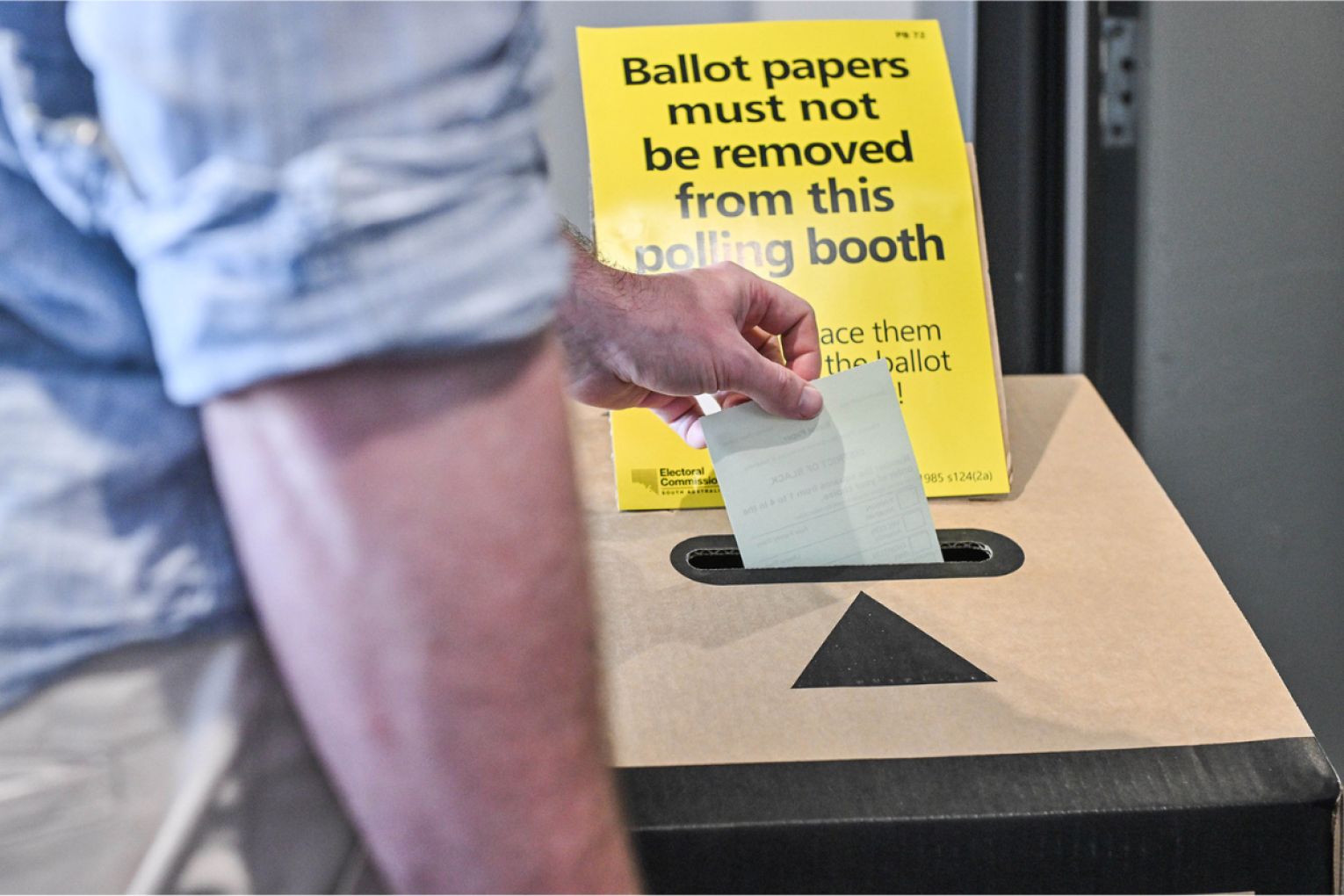
Ballot papers and ballot boxes are tightly controlled. “Ballot papers are counted and reconciled before and after polling,” Commissioner Sherry says. “Ballot papers when issued are initialled by the officer. Ballot boxes are shown empty, sealed before polling, and only opened after polling closes by the polling booth manager in the presence of officials or scrutineers.
“Independent scrutineers appointed by candidates may observe all stages of voting and counting and can raise objections, providing transparency and external oversight. All ballot papers are counted and checked again at the recheck count. Declaration and absent vote envelopes are never opened at polling places, preserving ballot secrecy while maintaining accountability.
“Following polling, all election materials are sealed, documented and securely transported for further verification. Declaration, absent and postal votes are processed centrally before final results are declared. Together, these layered safeguards provide strong assurance that South Australia’s election results are fair, secure and trustworthy.”
For those unsure what to expect on the day, Commissioner Sherry says the process is straightforward. Voting centres are located in public spaces such as schools and community centres. Voters can find their nearest location on the ECSA website or on the back of their EasyVote card.
On arrival, signs guide electors through the process. Staff check name and address, issue ballot papers – a green ballot for the House of Assembly and a white ballot for the Legislative Council. Pencils are provided in the voting screen; however, you can also bring your own. Assistance is available on request, and voting remains private.
The South Australian First Nations Voice to Parliament election is being held at the same time as the State Election. Only Aboriginal and/or Torres Strait Islander electors on the South Australian roll can vote in that election; however, it is not compulsory. Eligible electors can vote at any voting centre, by post or by telephone-assisted voting if eligible.
Want to see more stories from InDaily SA in your Google search results?
- Click here to set InDaily SA as a preferred source.
- Tick the box next to "InDaily SA". That's it.