Killer instinct: Did orcas force sharks to flee SA waters?
More than a decade after a pod of orcas were witnessed attacking and killing a great white shark in SA waters, Flinders University has released a study into the attack.
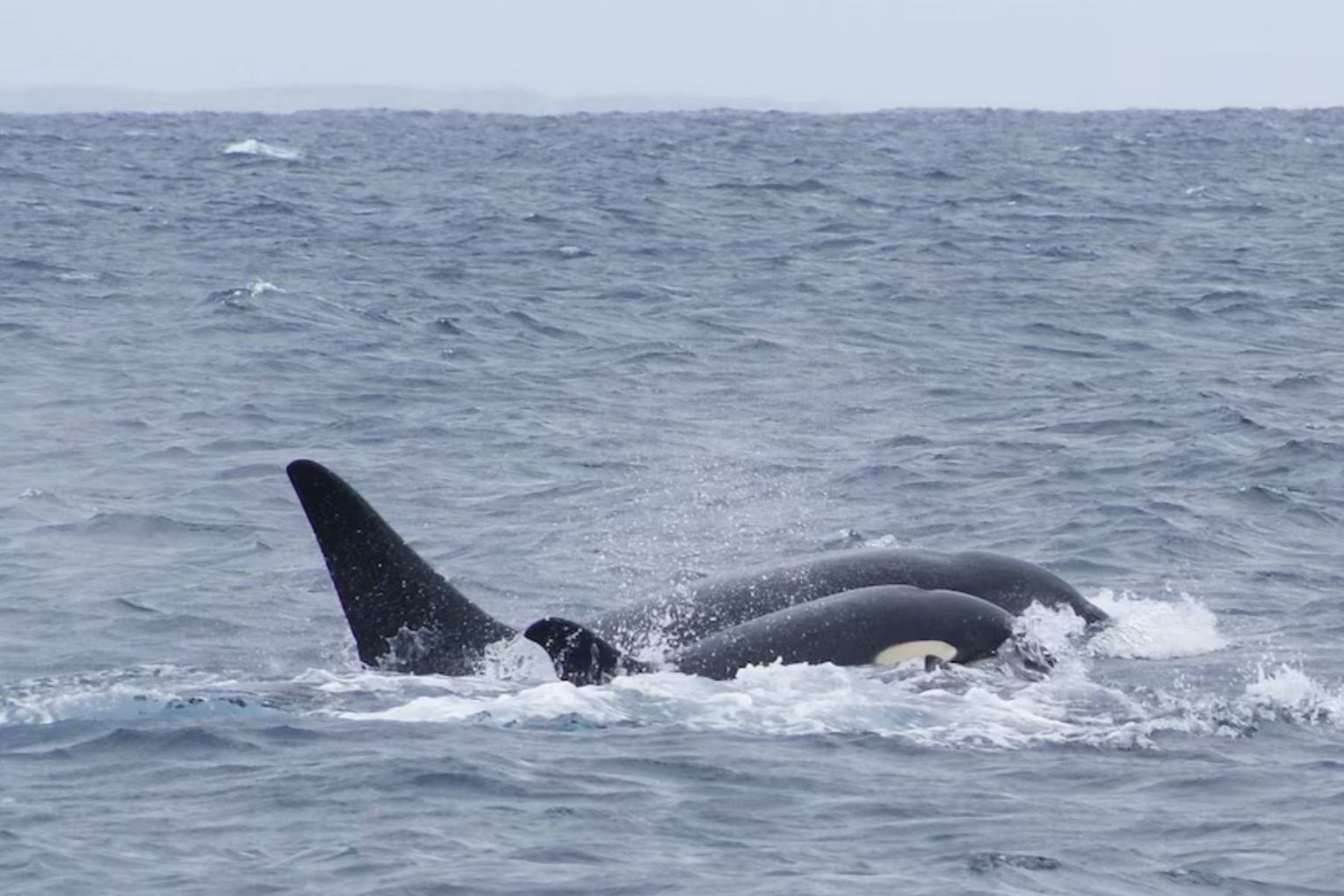
More than a decade after a pod of killer whales were witnessed attacking and killing a great white shark near Port Lincoln, Flinders University has released its research into the event.
Back in February 2015, about six killer whales were seen by staff and customers across two cage-diving boats at the Neptune Islands Group Marine Park in South Australia “hunting” the shark.
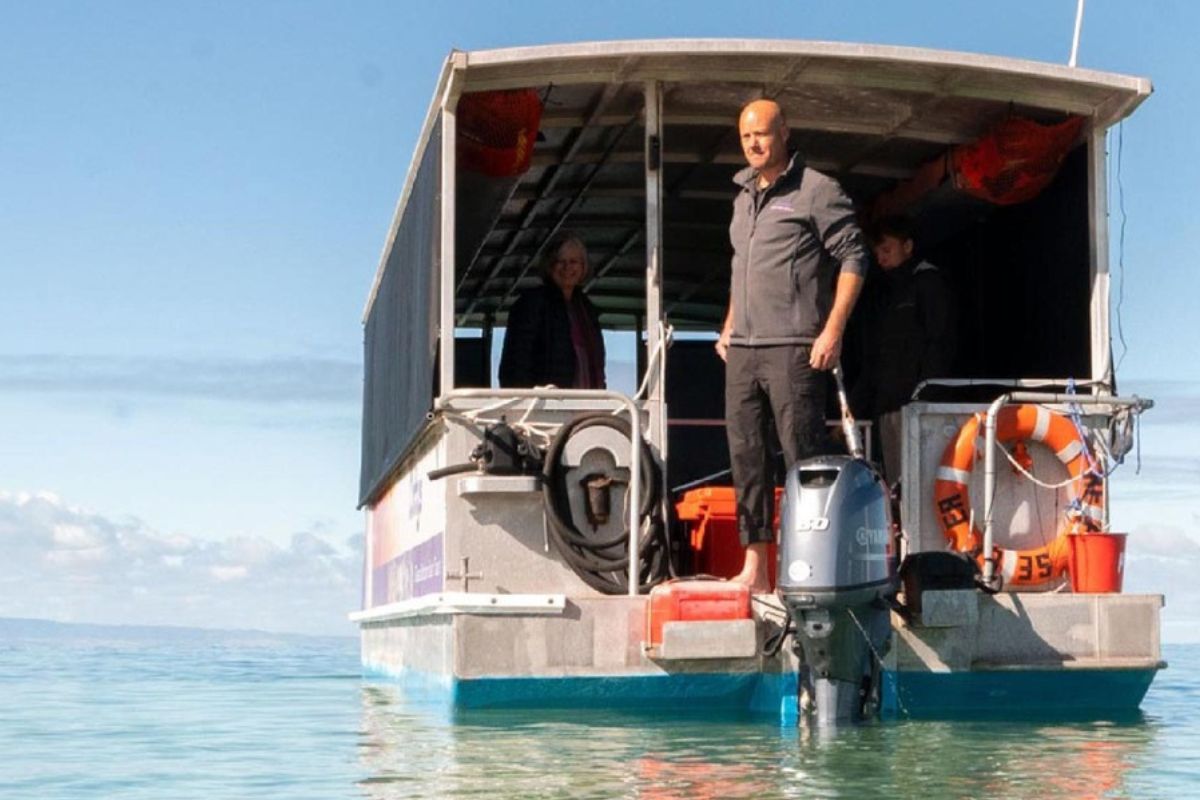
“Back when it happened, we were seeing sharks every day,” Matt Waller, one of the operators on the day, told InDaily
“And the day this happened was the best day of the week. It was mental. Glassy, clear. We were having sharks all morning. And then the whales showed up.”
Waller said the whales moved quickly, “hunting” the five-metre-long male shark.
You might like


“The killers herded it,” he said.
“There were three females, an alpha female and two pups in the group.
“And the three big females disappeared. The two pups then circled the shark up to the surface and then the alpha body slammed the top of the shark and it was all done.”
Waller said the effect was instant.
Stay informed, daily
“The moment that happened, the sharks disappeared. It was a shark drought.”
He said operators in the area went from seeing “five sharks a day” to none at all.
“We knew the killers would impact sharks – but no one saw a shark at Neptune for three and a half months after that.”
On Wednesday, Flinders University released a study based on 12 years of acoustic telemetry and wildlife tourism sighting data to test whether the 2015 absence was exceptional – or simply part of natural white shark behaviour at the Neptune Islands.
Led by Dr Isabella Reeves it found it was unlikely the attack was the only reason for the prolonged disappearance of sharks.
“Our results show that killer whales can absolutely trigger an immediate response from white sharks, but they are not always the whole story when it comes to long-term shark disappearances,” Reeves said.
“Across the 12-year study, we recorded six prolonged absences of more than 42 days, and only one of them coincided with the presence of killer whales.
“The longest absence we recorded was even longer than the 2015 event and occurred when no killer whales were detected at all.
“This shows that while killer whales can trigger immediate short-term departures, they are not always the sole driver of extended disappearances of sharks from their local sites.”
Want to see more stories from InDaily SA in your Google search results?
- Click here to set InDaily SA as a preferred source.
- Tick the box next to "InDaily SA". That's it.