Yorke Peninsula oyster grower faces bleak Christmas
‘Smelly water, bird life almost non-existent.’ An oyster farmer on the front line of the state’s harmful algal bloom is not optimistic about recovery on the Yorke Peninsula.
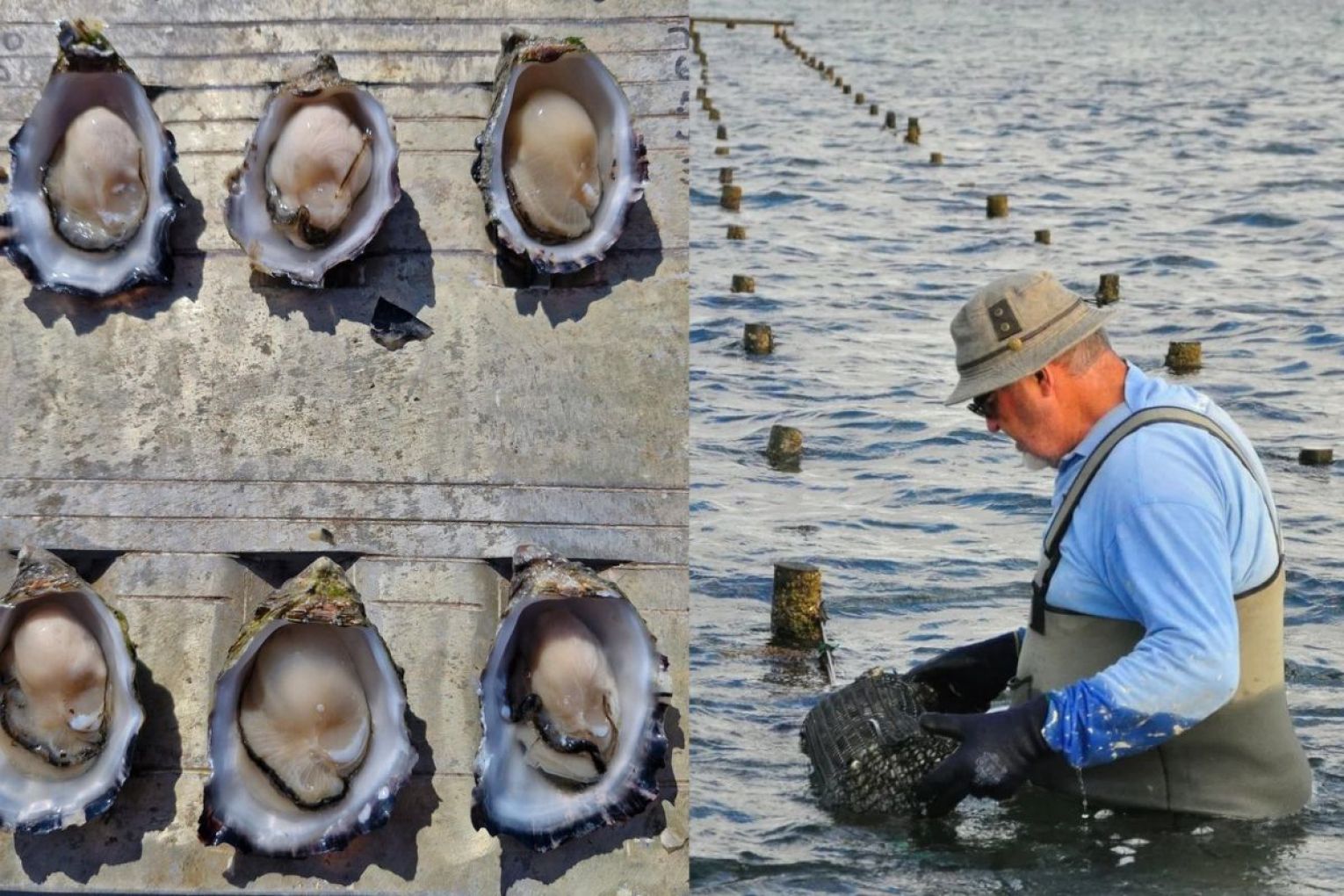
An oyster farmer on the front line of the state’s harmful algal bloom says he is not optimistic about recovery on the Gulf St Vincent after more than seven months of forced closure.
Yorke Peninsula’s Pacific Estate Oysters has been closed for 213 days, and skipper and shuck-master Steve Bowley said he sees “no signs of recovery”.
“The water remains discoloured and it smells, bird life is almost non-existent and I don’t see any apex predators (seal, dolphin, shark) or small aquatic fauna in our waters,” Bowley wrote in an update to the Pacific Oysters Facebook page on Friday.
“I am not a microbiologist, or oceanographer and there is a lot of detail of which I am unaware and probably wouldn’t understand, however 20 years of working the water at Stansbury, has taught me a few things about gulf water and I don’t need to be a scientist to know that something is not right in the Gulf.
“I see no signs of recovery and remain cautious, but not optimistic about the future of our gulf.”
You might like
Bowley shared pictures from Pacific Estate Oysters’ from its “Beacon Lease” – the deepest waters where the oyster beds are supposed to rarely go dry in nutrient rich but choppy waters that produce thick-shelled and clean oysters.
He said the oysters “look OK” which was “the only good news this week”.
Bowley’s comments came after South Australian Research and Development Institute (SARDI) executive director Professor Mike Steer said he was “cautiously optimistic” about the latest algal bloom results.
“So, this gives us an indication that the marine ecosystem is sort of balancing out. It’s coming back to natural levels, which is a real positive sign,” Steer said last week.
Stay informed, daily
“We do know that this particular algal bloom can turn the corner relatively quickly, and we do understand there is a range of different species that sit in the mix.”
SA Oyster Grower Association Chair Peter Treloar said they were hearing broadly from growers like Bowley in and around Gulf St Vincent that are under stress, but the association was hopeful most of the state’s oyster industry was in better shape.
“Ninety per cent of our growers are in good shape, and I’m expecting them to be back to normal and trading as per usual,” Treloar told InDaily.
“That takes nothing away from the very difficult situation that the Yorke Peninsula growers find themselves in. It’s eight months now without any sales, without any cash flow, without any income, and that’s particularly trying and stressful for what are essentially small family businesses.”
When asked if there was enough targeted support for recovery in those affected areas, Treloar said the association was “grateful” for up to $100,000 in state government grants for impacted businesses, but if the algal bloom continues, it would seek ongoing support for affected growers.
Treloar pointed to growers in areas like Franklin Harbour that were able to maintain their oysters while closed earlier this year, and “now that they’re open, they’re able to sell good, plump oysters ahead of Christmas”.
He said areas like Coffin Bay, Streaky Bay, Haslam and Smoky Bay oyster growers have not been closed or impacted by the harmful algal bloom, and being open for trading all year has put them “in a good position” for the summer and Christmas season.
“The majority of oyster farms are open, they’re making sales, and I’d remind people that if oysters are in the marketplace, then they’re safe to eat.”

Want to see more stories from InDaily SA in your Google search results?
- Click here to set InDaily SA as a preferred source.
- Tick the box next to "InDaily SA". That's it.