Bus to the future: study pinpoints Adelaide region for driverless buses
It’s a concept that has been explored countless times in science fiction, now Adelaide University researchers have demonstrated the “feasibility” of driverless buses in one city suburb.
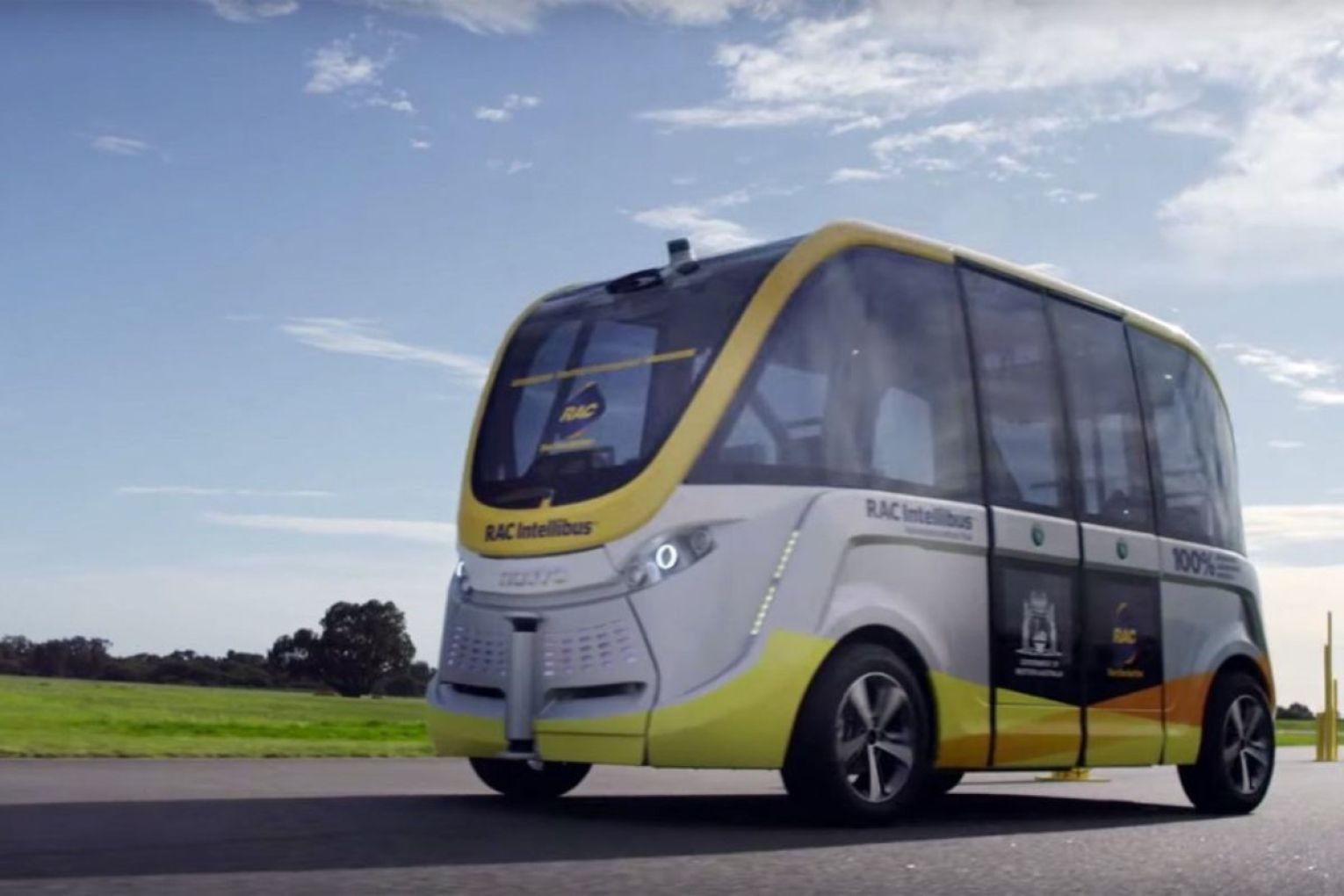
A new study from researchers at Adelaide University has used artificial intelligence to develop a theoretical driverless bus that could be used in SA, with the team exploring how the vehicle could link popular passenger destinations in Mawson Lakes.
The pilot study was conducted by lead researcher Dr Li Meng, who said an on-demand autonomous vehicle would be a “very efficient initiative” and improve transportation wait times in the northern suburbs.
“Our results show that an on-demand autonomous shuttle system is technically feasible and could significantly improve urban mobility,” Meng said.
“With further research and testing, this type of service could become an important part of future public transport networks.”
The case study demonstrated how three autonomous shuttle buses would be able to transport dozens of passengers, linking them from Mawson Lakes town centre to the university campus and bus interchange.
The Adelaide University research team used advanced artificial intelligence and computer simulation software to design a theoretical system that plans routes and schedules driverless buses based on passenger demand.
Meng said the autonomous vehicles would work by requiring travellers to use an “information portal” where they can type in their pick-up and destination spots, similar to popular rideshare app Uber.
“With this information collected, the autonomous bus can be scheduled to pick up and drop people off efficiently,” she said.
“It would be interesting if the transport department or bus couriers could use them in a service as they can reduce the cost of running and improve efficiency.”
Researchers also conducted a survey of potential bus users, which included students, residents and visitors to the Mawson Lakes area. More than 90 per cent of respondents said they would be willing to use an autonomous vehicle as public transport.
Similar self-driving buses and vehicles have been trialled in SA and overseas markets, with Flinders University trialling its own autonomous vehicle FLEX in 2018 and Hong Kong International Airport announcing that driverless shuttle buses would roll out onto the tarmac later this year.
Stay informed, daily
But safety, public trust and technical challenges remain front of mind, with Meng suggesting autonomous shuttles still have a long way to go before becoming a reality.
The shuttles rely on GPS signals which are easily disrupted in tunnels and built-up urban environments, with researchers suggesting a combination of GPS, camera and other sensor technology to ensure reliable navigation.
“Theoretically, there is no problem, but the challenge is the planning and getting the transport industry to put trust on the development,” she said.
“If we can design a specific trial route or light rail that is specifically designed for autonomous vehicles so no other vehicle can occupy, it will work.”
Want to see more stories from InDaily SA in your Google search results?
- Click here to set InDaily SA as a preferred source.
- Tick the box next to "InDaily SA". That's it.