Rate decision as oil spike fuels inflation fears
Mortgage holders face higher borrowing costs after the Reserve Bank made it’s call to counter an expected surge in inflation fuelled by the Iran war.
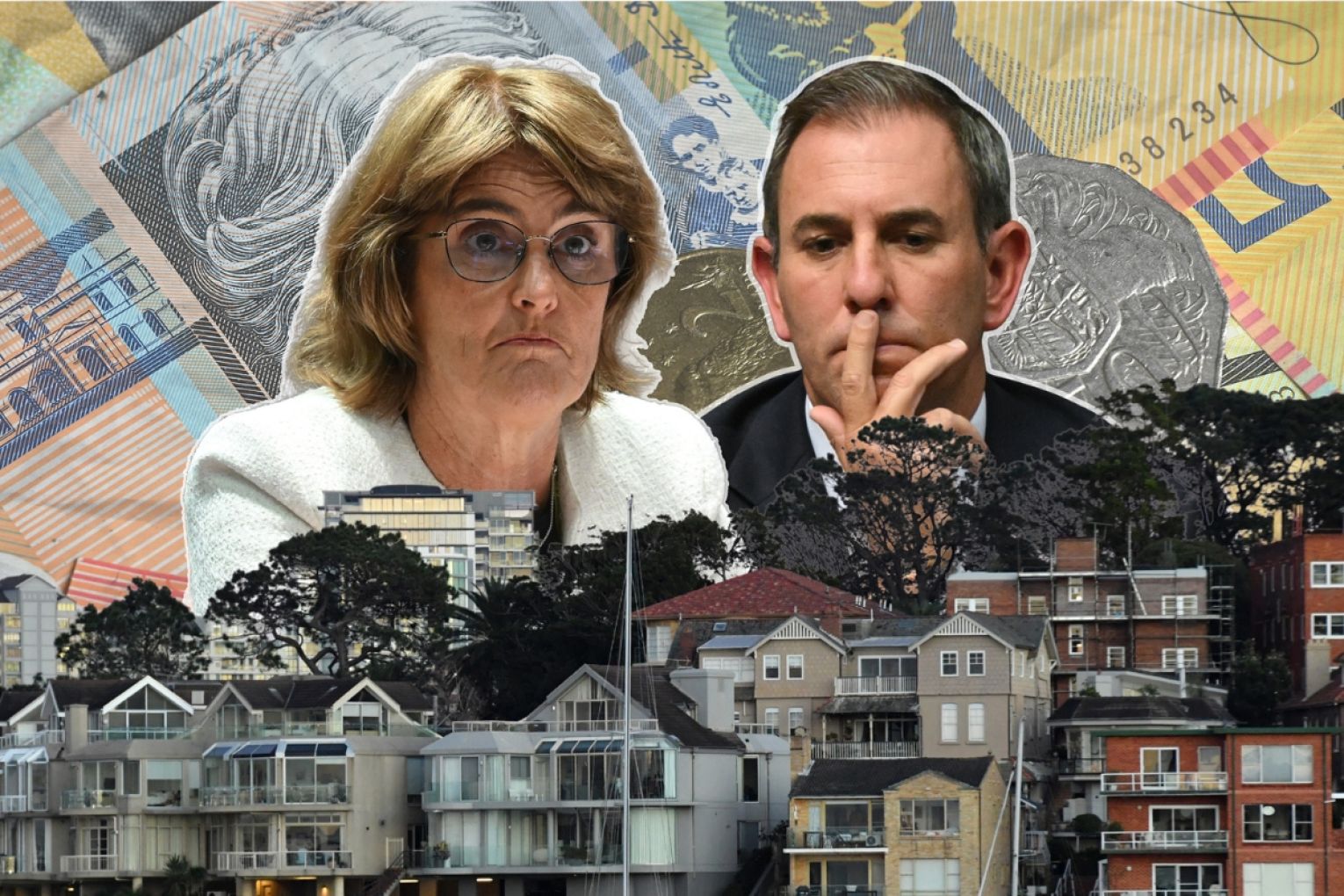
The Reserve Bank of Australia has hiked interest rates for the second month in a row as war in the Middle East compounds inflation concerns.
In a split five-four decision on Tuesday, the central bank’s monetary policy board lifted the cash rate by 25 basis points to 4.1 per cent, following a hike of the same size in February.
The move was tipped by the majority of economists and money markets, which had priced in the chance of a hike at more than two-thirds.
KPMG chief economist Dr Brendan Rynne said the move would “hit mortgage holders hard” after a decade of low interest rates.
“We know the last tightening cycle put considerable pressure on households and the impact will be no different this time around and there could be more to come,” Rynne said.
Domestic price pressures, including a tight labour market and strong economic growth, were already pushing inflation too high for the RBA’s liking before the US-Israeli attack on Iran led to the closing of the Strait of Hormuz and plunged global energy markets into chaos.
You might like

Headline inflation rose 3.8 per cent in the year to January, according to monthly data released by the Australian Bureau of Statistics, above the RBA’s 2-3 per cent target band.
The Reserve Bank has in the past been loath to move rates at meetings not immediately following the release of quarterly inflation figures, when it can get a gauge of its preferred measure of underlying price growth – the quarterly trimmed mean.
But as the benchmark oil price spiked from about $US70 a barrel to as high as $US119 a barrel and inflation expectations soared, precedent seemed less important.
Rynne said “it would be naïve to pin today’s rate rise solely on the Middle East conflict”.
“The RBA has used the current oil price shock as additional coverage to increase the cash rate, on the basis that inflation has never returned to the target level of 2.5 per cent in a sustained manner, following the post-COVID inflation spike.
“While the dual mandate has given the RBA latitude to walk the narrow path – having done better than other central banks in maintaining employment to keep GDP growth strong – it has come at cost of properly taming inflation.
Stay informed, daily
“This has left Australians more exposed to the conflict in the Middle East because while central banks would usually ‘look through’ short-term supply-side price shocks, on the basis that they are likely to be short lived and self-correcting, this is more difficult to do when inflation is already too high.
“Even prior to this, the economy was vulnerable to another rate rise, with inflation projected to be above target for some time.
“Put simply, the inflation genie never quite got back in its bottle, and the RBA is now having another go.
“However, it is also important to recognise that the RBA’s job has been made harder by a public sector that continues to spend well above historic levels, much higher than what our tax receipts allow for, and well beyond what is needed to balance overall growth outcomes between the public sector and private sector.”
Ahead of the decision, money markets were almost fully priced in for two further rate rises in 2026, which would bring the cash rate to 4.6 per cent by Christmas.
Each 25 basis point rise adds about $90 in monthly repayments to a typical owner-occupier home loan of $600,000.
Attention now turns to what tone governor Michele Bullock strikes in her post-meeting press conference, as traders try to guess how many more hikes the RBA has in store.
CreditorWatch chief economist Ivan Colhoun said the RBA’s decision was justified.
“While this is news that is unwelcome for both households and businesses, neither is the situation where inflation is allowed to run above-target for a further extended period,” he said.
– with AAP
Want to see more stories from InDaily SA in your Google search results?
- Click here to set InDaily SA as a preferred source.
- Tick the box next to "InDaily SA". That's it.