‘My husband died with dignity’: SA woman shares grief amid urgent funding calls
A South Australian woman tells how her husband chose to end his life as the state’s peak medical body calls for urgent palliative care funding.
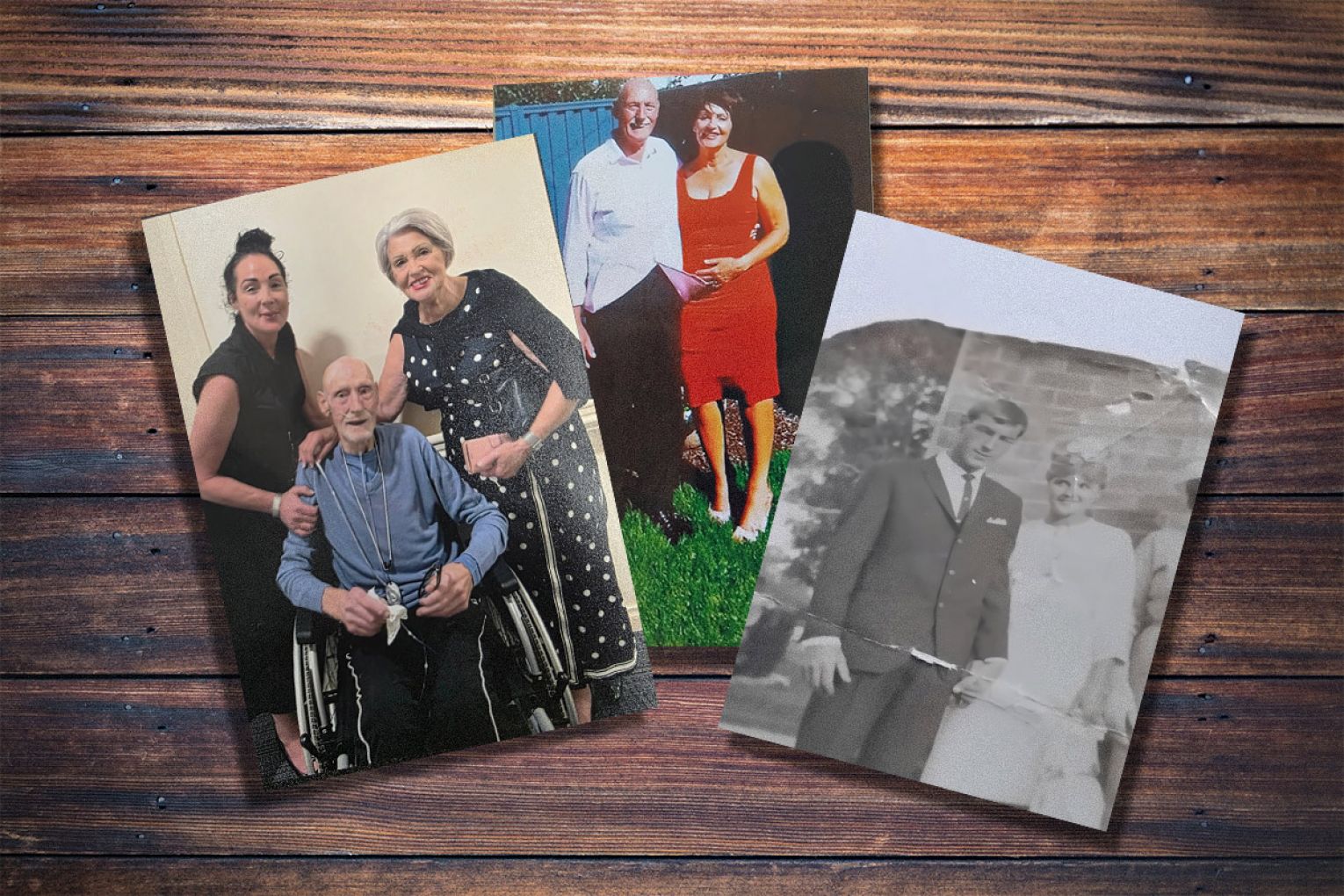
When 79-year-old Helen McGowan’s husband of 61 years James, 83, was diagnosed with terminal non-Hodgkin’s lymphoma at the Royal Adelaide Hospital in November 2025, she was left unsure of what steps to take to care for her husband.
“I had no idea what to do, because it’s very hard, you know, to get support,” McGowan told InDaily.
But after an assessor at the Royal Adelaide Hospital flagged concerns that Helen would need additional support while James was transferred from hospital to a palliative aged care facility, she was put into contact with Palliative Care Connect (PCC).
PCC assisted Helen with receiving Centrelink and rent assistance so she could remain in her rental unit, offered psychosocial support, and referred her to Voluntary Assisted Dying (VAD) as it was her husband’s wish.
“I would never have got through that alone. I would have just been floundering, because I just didn’t know any of these things were available,” she said.
James died on the March 27 after choosing to end his life through VAD with Helen saying it allowed her husband to die on his own terms.
Helen shares her story as the number of South Australians needing palliative care services is expected to skyrocket in the next 20 years, with Australian Bureau of Statistics showing SA has the second oldest population in the country behind Tasmania.
By 2042, an estimated 21,000 people in the state were expected to need end-of-life care — a 116 per cent increase from 2020.
You might like


The state’s peak medical body fears SA is unprepared for the “avalanche” on its way as it campaigns for all South Australians to have the right to die with dignity.
Helen is an advocate for greater government financial support for the state’s palliative care facilities and family support networks.
She tells of her husband James being a firefighter for Melbourne Metropolitan Fire Brigade for more than 25 years and being “a true gentleman”.
James and Helen had three children together – their eldest son Paul was tragically killed in a car accident at the age of 23 and Anthony died of SIDS at just eight months old. Their youngest daughter Fiona now lives with Helen in Glenelg, giving her additional support.
“James was so good to me whenever I was ill or anything like that, he waited on hand and foot for me, and that was his caring nature,” Helen said, telling of the support the family received prior to his death and the support around James’ decision to end his life.
“My husband died with dignity.
“The doctor sat by my husband, held his hand, and explained step by step of what was going to happen. He showed him everything that he had to do and the support was just magnificent.”
The Australian Medical Association SA is calling for an urgent investment in end-of-life care, as medical facilities struggle to cope 12 months after a damning report revealed the state’s palliative care system’s aspirations had “not been realised”.
President Peter Subramaniam said all South Australians deserved to die with dignity but there were “urgent” gaps in the system.
In the “Palliative Care in South Australia – a Health Performance Council Inquiry” report, ten recommendations were presented to then Health Minister Chris Picton to strengthen a system lagging behind what was set out in the 2022-27 Palliative Care Strategic Framework.
Stay informed, daily
Outlined in the framework were priorities to improve access to generalist and specialist palliative care for underserved populations, increased community awareness, and enhanced collaboration and coordination across medical departments.
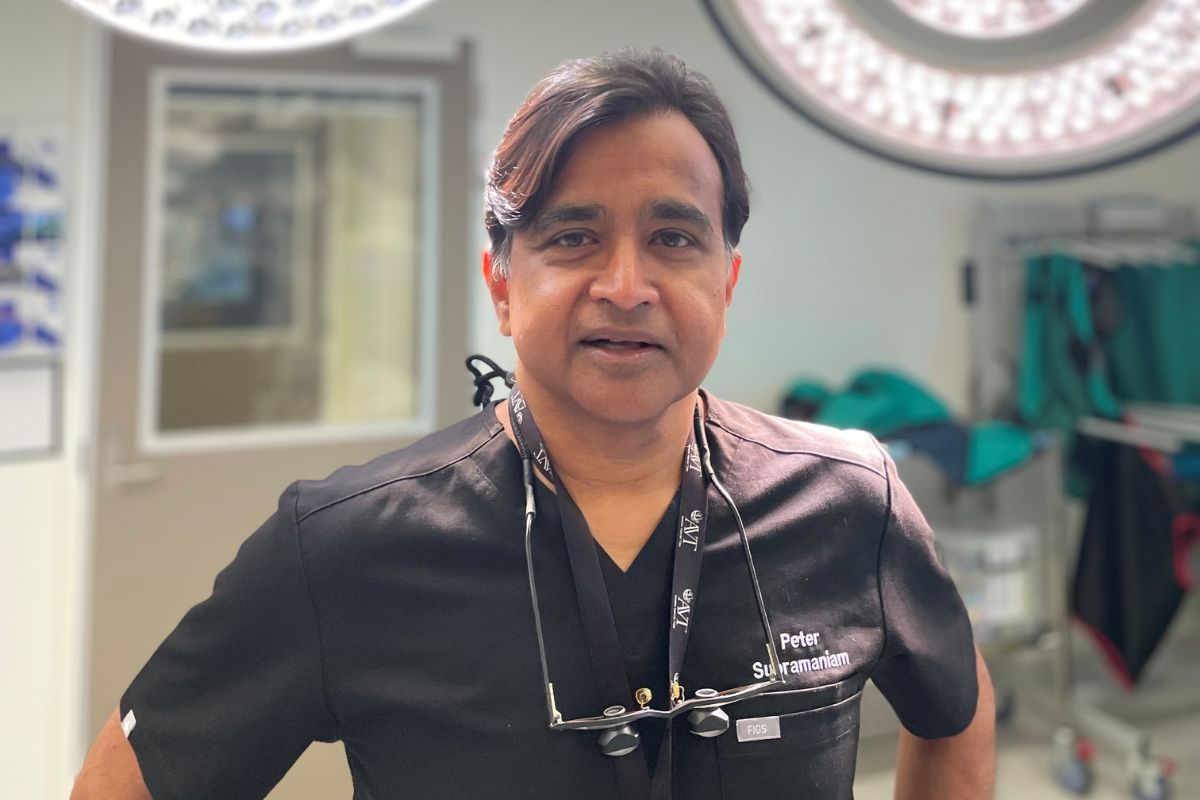
“Every South Australian deserves to die with dignity. In their final weeks and days, they should have timely access to high-quality palliative care, in the place they choose, with the clinical support they need,” Subramaniam said.
“Right now, services are struggling to meet demand – and they’re not ready for the avalanche that’s coming.”
The potential demand for palliative care services for those dying was expected to grow faster than the rate of population growth in SA over the next 20 years because of the state’s ageing population, according to the palliative care report.
“Behind this widening gap are real people: patients who can’t access hospice beds or the community care they need to stay at home,” Subramaniam said.
“The burden is also borne by families, forced to take on the role of carer, without adequate nursing support or after-hours medical care. That’s not what a compassionate health system looks like.”
The AMA has put forward recommendations to commission an independent review into palliative care bed capacity across metropolitan Adelaide to assess future shortfalls.
They have also called on the government to fund more nurses and after-hours medical care at home.
Health Minister Blair Boyer acknowledged it was “simply a fact” that more needed to be done to improve palliative care across the state.
“Every South Australian deserves the opportunity to die with dignity and have access to the best care in the final stages of their life,” Boyer said.
“As the new Health Minister, and somebody who has personally seen the importance of palliative care and the barriers in regional communities, I am prioritising how we make sure our palliative care and dying with dignity laws give people choice, comfort, and the best quality of life.”
Boyer said he had recently signed off on the new ‘Pathways of Palliative Care’ project to investigate ways in which end-of-life care could be improved in SA.
“The project will examine access to the palliative care system, the integration and coordination between palliative and other care services, escalation pathways for people when things aren’t going well, and support and information available to families and carers,” Boyer said.
“It will be informed by a working group that includes those who have experienced the palliative care system. I look forward to receiving the recommendations.”

Want to see more stories from InDaily SA in your Google search results?
- Click here to set InDaily SA as a preferred source.
- Tick the box next to "InDaily SA". That's it.