Call to action as almost two thousand idle city buildings mapped
Numerous vacant and underused Adelaide CBD properties listed in a new report are being targeted for potential new city housing. See the map.
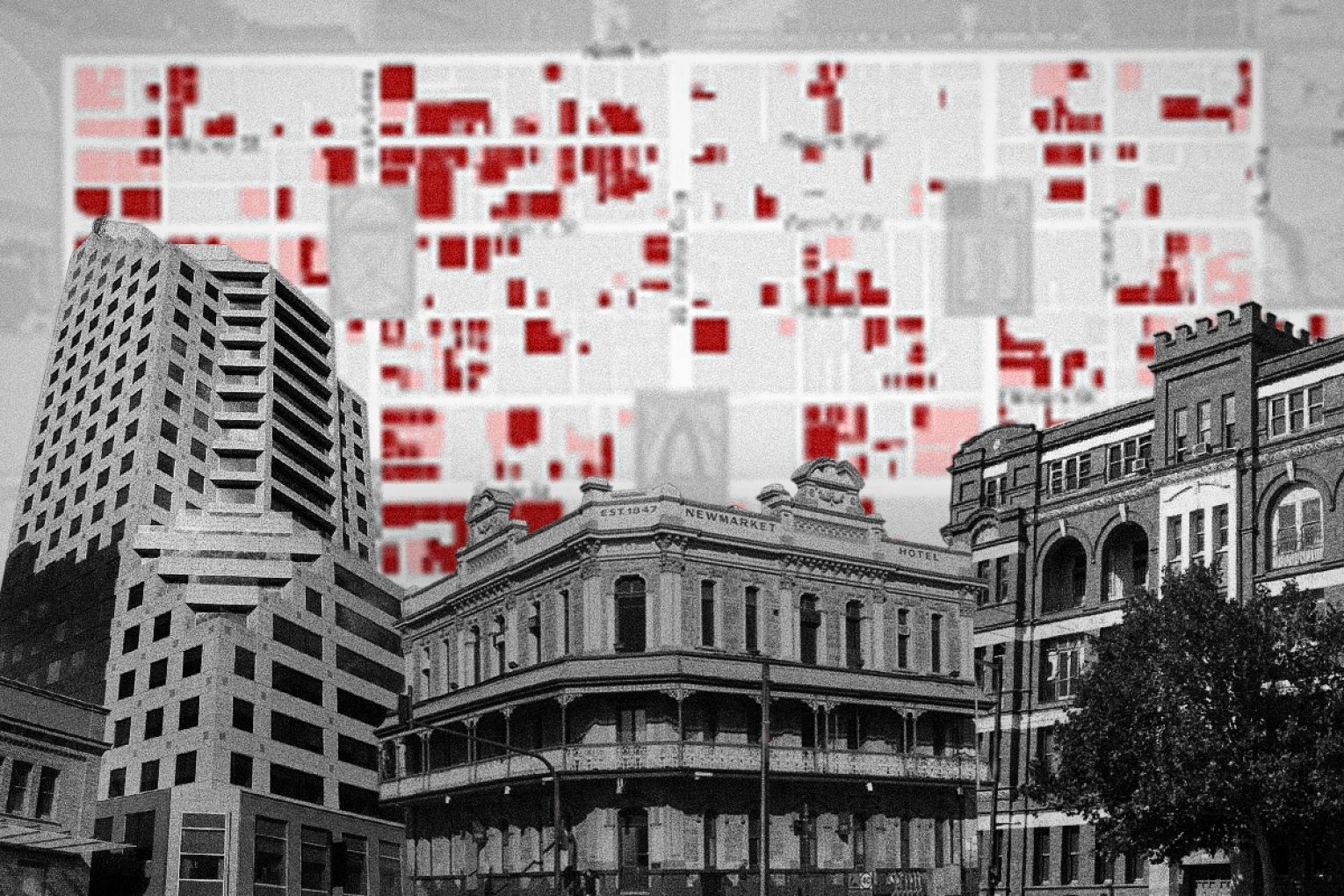
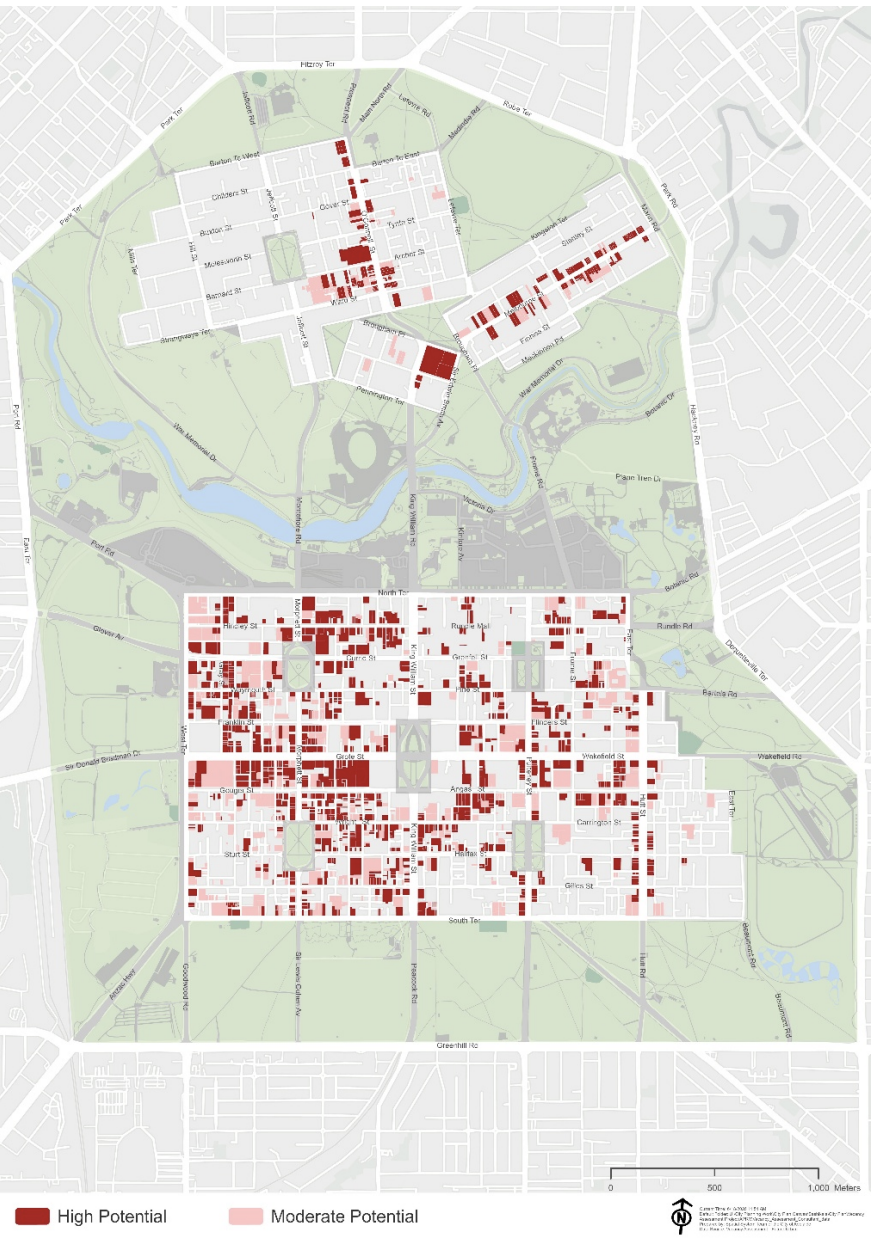
Almost 2000 vacant and underutilised properties have been identified as potential future housing sites in the Adelaide CBD and North Adelaide, a new report has found.
The report, which was led by market research company Hudson Howells, alongside Future Urban and BDO for the Adelaide City Council, identified 1986 vacant and underused properties across both North Adelaide and the CBD.
Of the 1986 properties, 491 have been deemed high potential for future housing use, while 1415 have been deemed moderate potential and a further 80 properties as holding some potential.
High potential sites include long-term vacant sites, vacant land or buildings, open lot car parks, and developments approved before January 2025, some of which have not yet commenced construction.
Within the CBD, underutilised properties represented approximately 30 per cent of all properties, including commercial sites, upper-level spaces, and unbuilt land that are not being used to their full economic or physical capacity.
The aim of the report was to provide “evidence-based actions” available to the City of Adelaide to activate the properties for housing.
You might like


“A substantial stock of vacant and underutilised land and buildings exists within the local government area that, if activated, could contribute meaningfully to housing supply, affordability, city vitality and more efficient use of existing infrastructure,” the report said.
South Australia’s Property Council executive director Bruce Djite told InDaily that vacancies reduce foot traffic, impact surrounding businesses and make the city less vibrant.
“It’s not a surprise to see these vacancies. We’ve consistently said that the city of Adelaide is the greatest infill site in the country, it’s underdeveloped and there’s a lot of opportunity that is brimming in the CBD,” Djite said.
An August report from the Property Council found overall Adelaide CBD office vacancy had increased from 15.5 per cent to 16.3 per cent over the six months to July 2026, as tenants move into newer builds and ditch their ageing premises.
Djite said developers are facing a “myriad of issues” when transforming vacant CBD spaces into housing including rising costs and heritage rules.
Stay informed, daily
“High rates, high construction costs, labor shortages, those things are only getting worse and it’s probably going to be another rate rise. All these things are negative when it comes to feasibility, which is one of the greatest challenges,” he said.
“Not being able to build up on top of something that’s heritage listed or be able to upgrade that building is another challenge. You end up just leaving them to decay, and we are seeing that all over the city in large parts.”
Djite has previously championed programs including Renew Adelaide, which demonstrates “what’s possible when businesses and startups are matched with vacant and underutilised spaces”.
“These initiatives help keep our city centre activated and safer while longer-term investment opportunities emerge,” he said.
Among some of the key vacant and abandoned buildings mapped in the report was the Gawler Chambers, which was recently bought by Sam Shahin for $6.25 million.
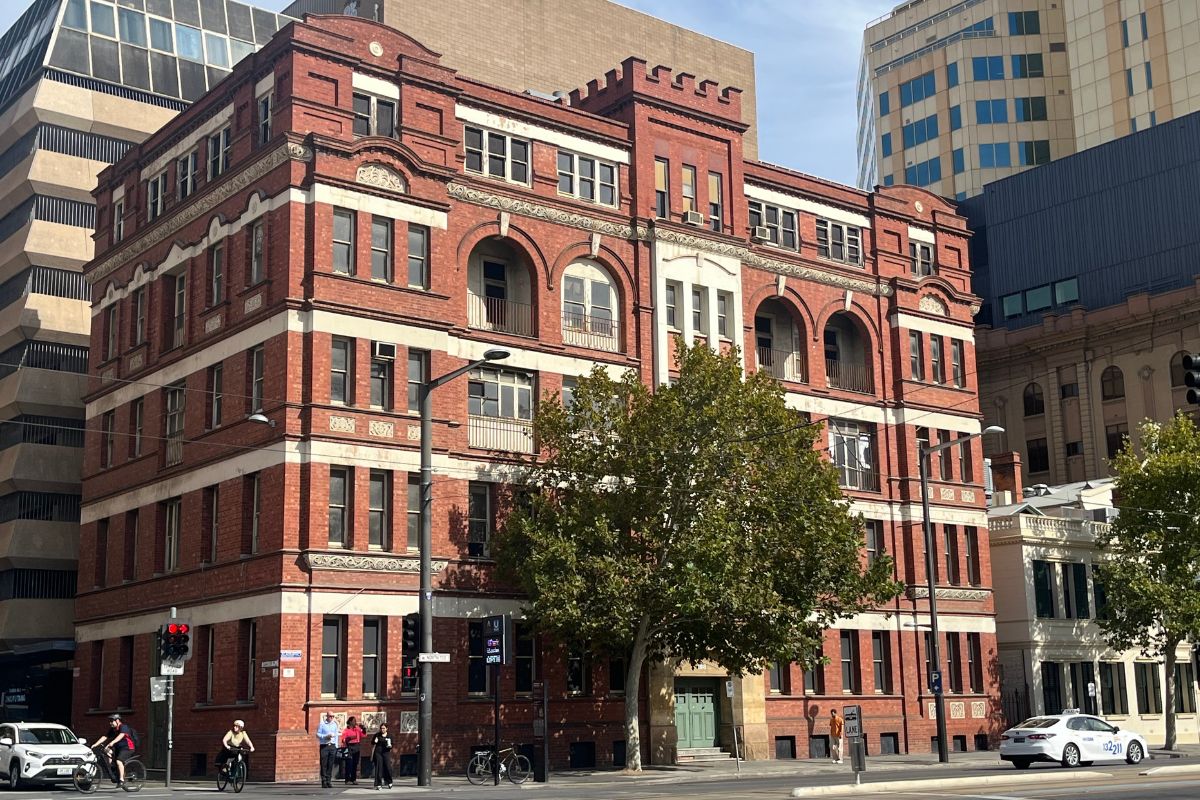
Grenfell Street’s former transport department headquarters was also mapped, which Djite said will become “a stranded asset”, and the abandoned Newmarket Hotel on the corner of North Terrace and West Terrace.
The new report was delivered as part of the City of Adelaide Housing Strategy Implementation program and its 10-year Housing Strategy to reach a target of 50,000 CBD and North Adelaide residents by 2036.
It found that “many vacant and underutilised properties remain inactive because the economics of activation do not currently work” and the property owners “lack the capability or information needed” to activate them.
The primary barriers include the escalating cost of construction, financing constraints and heritage obligations.
“Adelaide has a significant opportunity to convert vacant and underutilised land and buildings into housing, but the opportunity will not be realised through a single intervention,” the report said.
“Some properties can be activated through practical facilitation and modest incentives. Others require State and Federal Government partnership, infrastructure reform, procurement commitments or market changes before activation is realistic.”
The Adelaide Council will discuss the outcome of the report at a meeting on Tuesday night.
Want to see more stories from InDaily SA in your Google search results?
- Click here to set InDaily SA as a preferred source.
- Tick the box next to "InDaily SA". That's it.