Warnings as businesses ditch old Adelaide CBD buildings
The “flight to quality” trend continues to dent the overall Adelaide office vacancy rate, which worsened over the past six months. The industry’s spokesman has a warning for the city.
Overall Adelaide CBD office vacancy increased from 15.5 per cent to 16.3 per cent over the six months to July 2026, as tenants move into newer builds and ditch their ageing premises, a new report has found.
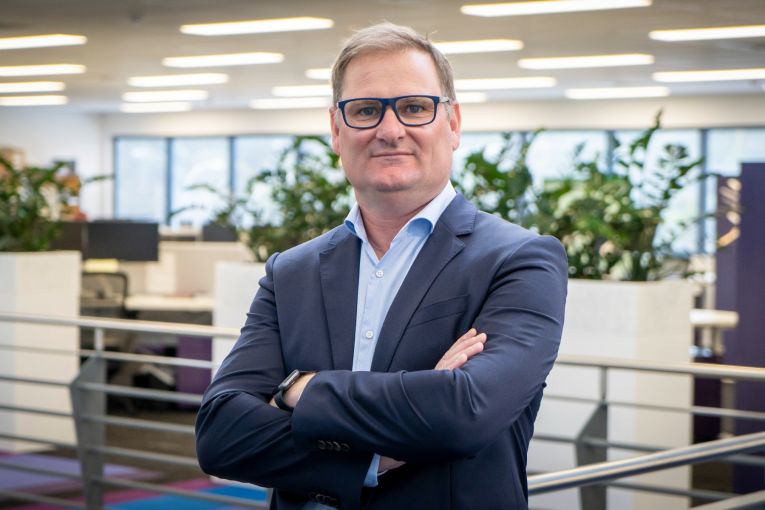
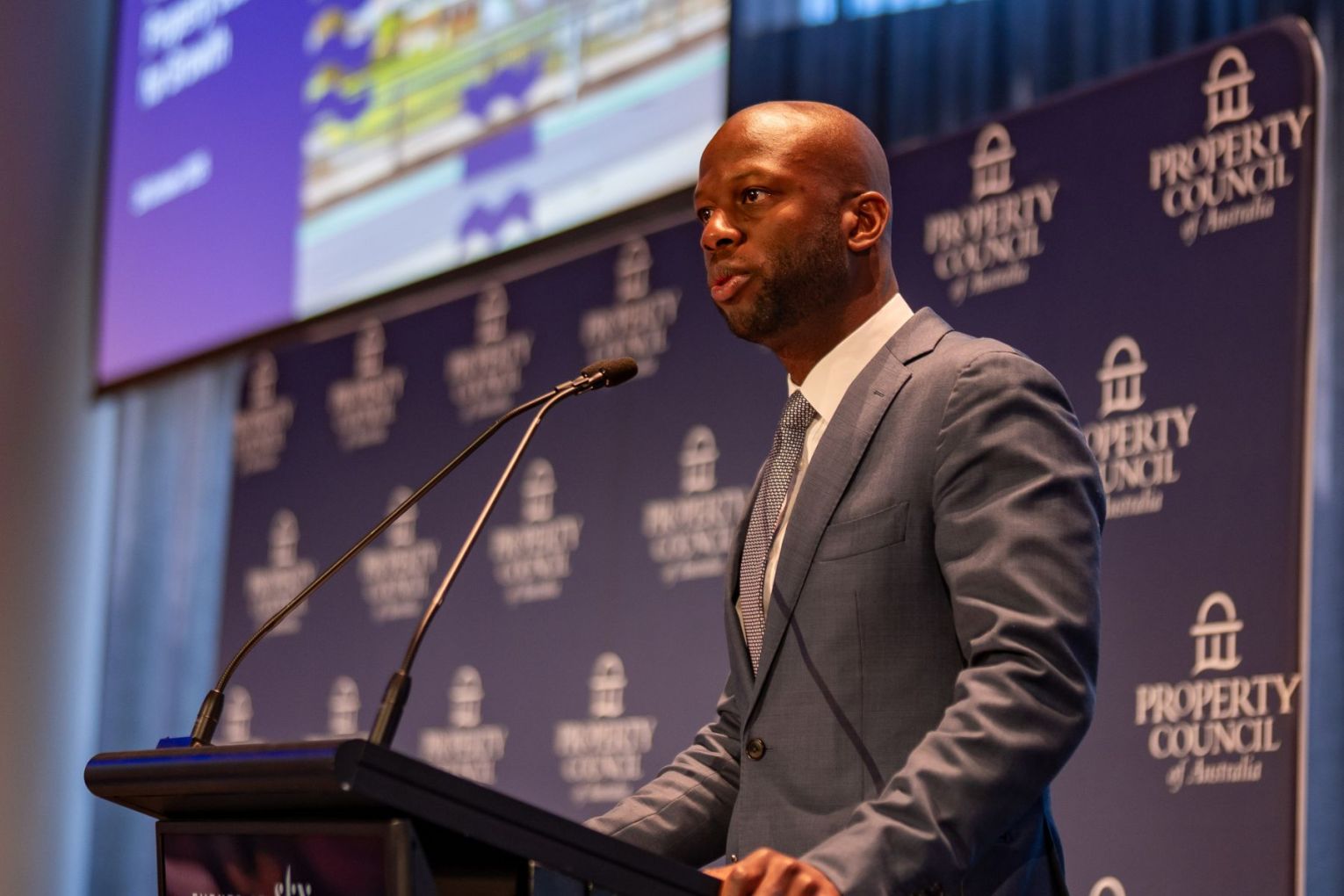
The Property Council of Australia’s new Office Market Report found Adelaide’s office market continues to evolve, with the peak body’s local boss Bruce Djite saying the results “only tell part of the story”.
The vacancy increase was largely driven by negative tenant demand, the report found.
But most of the vacancies are in ‘C Grade’ office buildings, where vacancy rates rose from 12.1 per cent to 19.1 per cent.
Demand for A and B Grade buildings was positive, the report found, with Djite saying it was indicative of businesses “continuing to invest in quality workplaces”.
You might like

“We are seeing a continued flight to quality, as occupiers consolidate into newer, more efficient and better-performing buildings,” he said.
He had a warning for developers and the city, saying it was important that older commercial buildings do not drag on the vitality of the CBD.
“Vacant buildings don’t just affect landlords,” he said.
“They reduce foot traffic, impact surrounding businesses and ultimately make the city centre less vibrant.
Stay informed, daily
“The conversation shouldn’t stop at vacancy rates. It needs to shift towards how we activate these buildings, support investment and keep Adelaide’s CBD vibrant.”
Djite said programs like Renew Adelaide demonstrated “what’s possible when businesses and startups are matched with vacant and underutilised spaces”.
“These initiatives help keep our city centre activated and safer while longer-term investment opportunities emerge,” he said.
“Alongside building refurbishments and planning reforms, initiatives that help activate older commercial buildings should form part of a broader strategy to ensure our CBD remains an attractive place to work, live and stay.”
Cushman & Wakefield director and head of office leasing SA Adam Hartley said demand in Adelaide continued to be led by small and medium enterprises looking for high-quality accommodation.
“The increase in vacancy expected during 2026 is largely the result of new buildings completing rather than weakening occupier demand. As these projects lease up, we expect the market to continue recording positive net absorption, with well-located, high-quality assets continuing to outperform older stock,” Hartley said.
“Looking ahead, Adelaide remains well positioned. Once the current wave of new supply is absorbed, the future development pipeline becomes far more limited.
“That is expected to tighten conditions over the medium term, supporting rental growth and reinforcing the importance of quality accommodation as occupiers continue to place greater emphasis on workplace performance and flexibility.”
According to CBRE national director of office leasing Andrew Bahr, demand in Adelaide remains strong and enquiry levels were at “record highs” – up 40 per cent in the second quarter of 2026.
“Occupier demand continues to be driven by businesses seeking to upgrade their workplace, enhance office culture, and provide better building amenity to support attendance and productivity,” Bahr said.
“Owners who have already invested in upgrading their assets are likely to continue capturing most of the new leasing activity. As occupiers become more discerning, the gap between modernised and non-modernised buildings is widening.”
Want to see more stories from InDaily SA in your Google search results?
- Click here to set InDaily SA as a preferred source.
- Tick the box next to "InDaily SA". That's it.