‘Can’t fly to feta’: SA cheesemaker slams European trade deal
A local cheesemaker, who changed the name of her feta last year, worries concessions made in the Australia-Europe Free Trade Agreement could hurt the industry. But the Federal Trade Minister says it is “the best agreement that was available to us”.
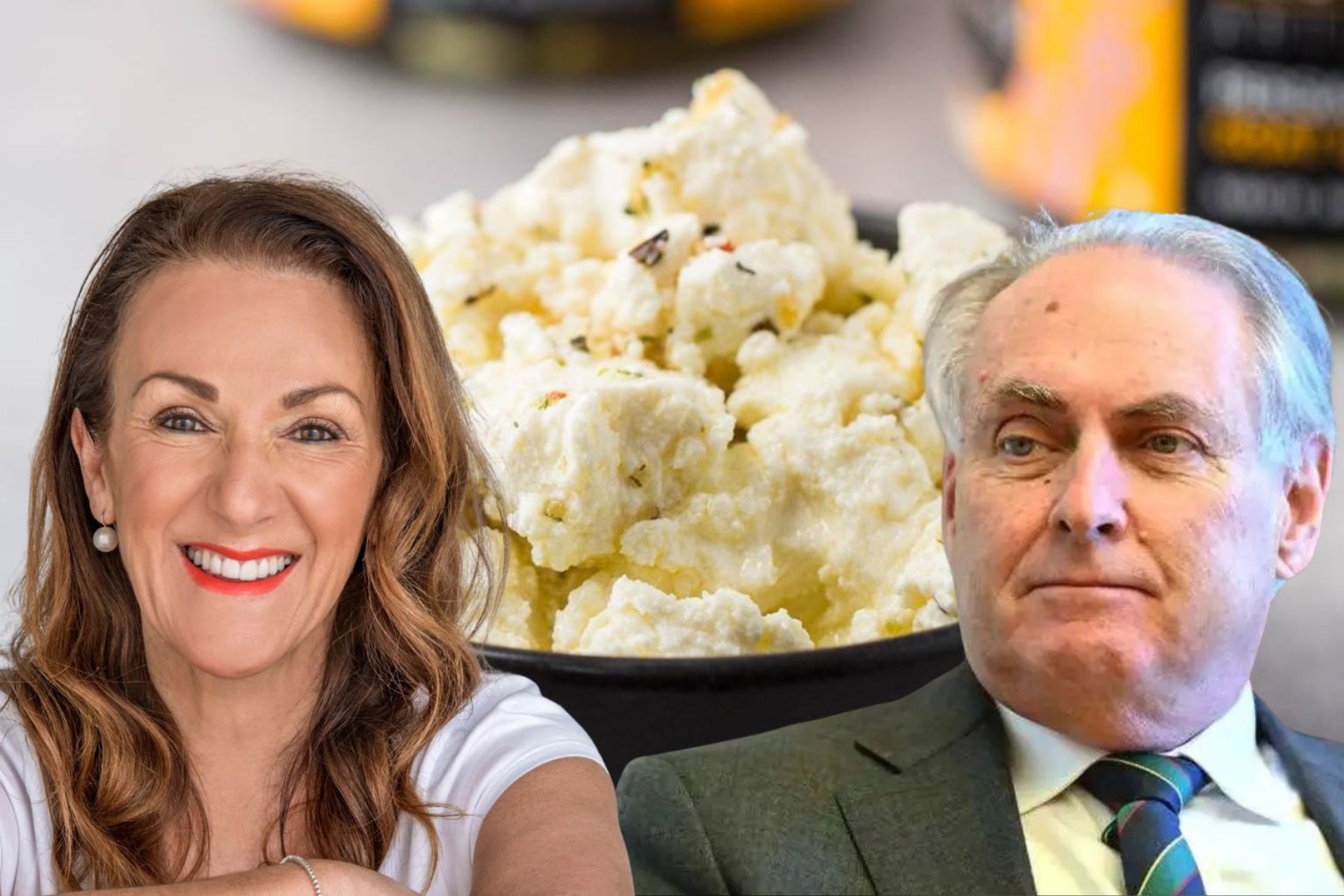
An Adelaide Hills-based cheesemaker has joined the chorus of South Australian producers feeling miffed by concessions made to the European Union in the new free trade agreement, signed yesterday by Prime Minister Anthony Albanese and the European Commission president Ursula von der Leyen.
Under the agreement, concessions were made to Europe for a number of geographical indications, including for the names of types of cheeses.
Producers who have been making cheese under a number of names can continue to use those terms provided they’ve been using them for at least five years. New makers will not be permitted to use the names.
This includes ‘feta’.
Celebrated SA cheesemaker Kris Lloyd said it felt like “being asked to give up something without any clear benefit in return”.
“I can’t fly to feta, it’s not a town,” Lloyd said.
“I’m Greek, I know what feta means: it means slab.
You might like


“It’s a method, it’s a style and it’s a category that people understand. I think Australian producers have built incredible reputations using these names honestly and transparently.”
Lloyd said she proactively changed the name of one product last year, fearing she might lose the right to call the salad cheese ‘feta’.
“We haven’t had any decrease in sales, but I just wanted to be a little bit proactive,” she said.
“But what are we giving it up for?”
The historic signing yesterday of the Australia-European Union Free Trade Agreement was celebrated by Federal Trade and Tourism Minister Don Farrell, who told InDaily the deal would be worth about $1 billion to South Australia in the first year alone.
Australians can continue to use the terms parmesan and kransky, while local winemakers can keep making and selling prosecco domestically, but the term will be phased out over 10 years for foreign exports.
Australian Grape and Wine group chief executive Lee McLean yesterday said “efforts to restrict [Prosecco’s] use are nothing more than protectionist measures used to distort trade to the advantage of EU producers”.
“This is clearly a blow for those Australian producers who currently export Australian Prosecco, who will need to transition away from using that term for export markets,” she said.
Stay informed, daily
Almost all EU tariffs on agricultural products have been scrapped, including on wine, nuts, fruit and vegetables, honey, olive oil, most dairy products, wheat, barley and seafood.
The Australian Government expects winemakers and exporters to benefit to the tune of $37 million annually with the removal of European import tariffs.
The PM said the agreement would result in 98 per cent of the current value of Australia’s exports entering the EU duty-free.
“We’re now going to be able to get into the European market. It will be very good news for our agricultural sector,” Farrell said.
“We have an opportunity here to export our copper and all of our other critical minerals, and that all goes tariff-free.”
Exports of Australian-manufactured goods and mineral resources will face zero import tariffs into the EU, bolstering the nation’s growing critical minerals sector.
Farrell said the deal followed FTAs with the United Kingdom, India and the United Arab Emirates.
“The EU presents a terrific opportunity for us, and this is where it starts,” he said.
Yesterday, Livestock SA chair Gillian Fennell said the deal fell short for her industry, labelling it “it’s pretty disappointing”.
New or expanded quota volumes have been secured, including for beef, sheep meat, sugar, rice, wheat gluten, skimmed milk powder and natural butter.
But Farrell said some concessions had to be made, and that he was confident 70,000 tonnes of Australian meat would make it into the continent in the first two years of the agreement.
“Had we rejected this agreement, we would have come back into a situation where we had no access at all,” he said.
“There has to be a balance here.
“It’s a good agreement for Australia. It’s absolutely the best agreement that was available to us. If we rejected this one, there were going to be no further opportunities. You’ve got to make a value judgement.”
Want to see more stories from InDaily SA in your Google search results?
- Click here to set InDaily SA as a preferred source.
- Tick the box next to "InDaily SA". That's it.