What it will take to unlock South Australia’s housing future
South Australia has made progress tackling stalled housing developments, but the Urban Development Institute of Australia (SA) says the next step is sustained infrastructure investment and planning reform to deliver the homes the state needs.
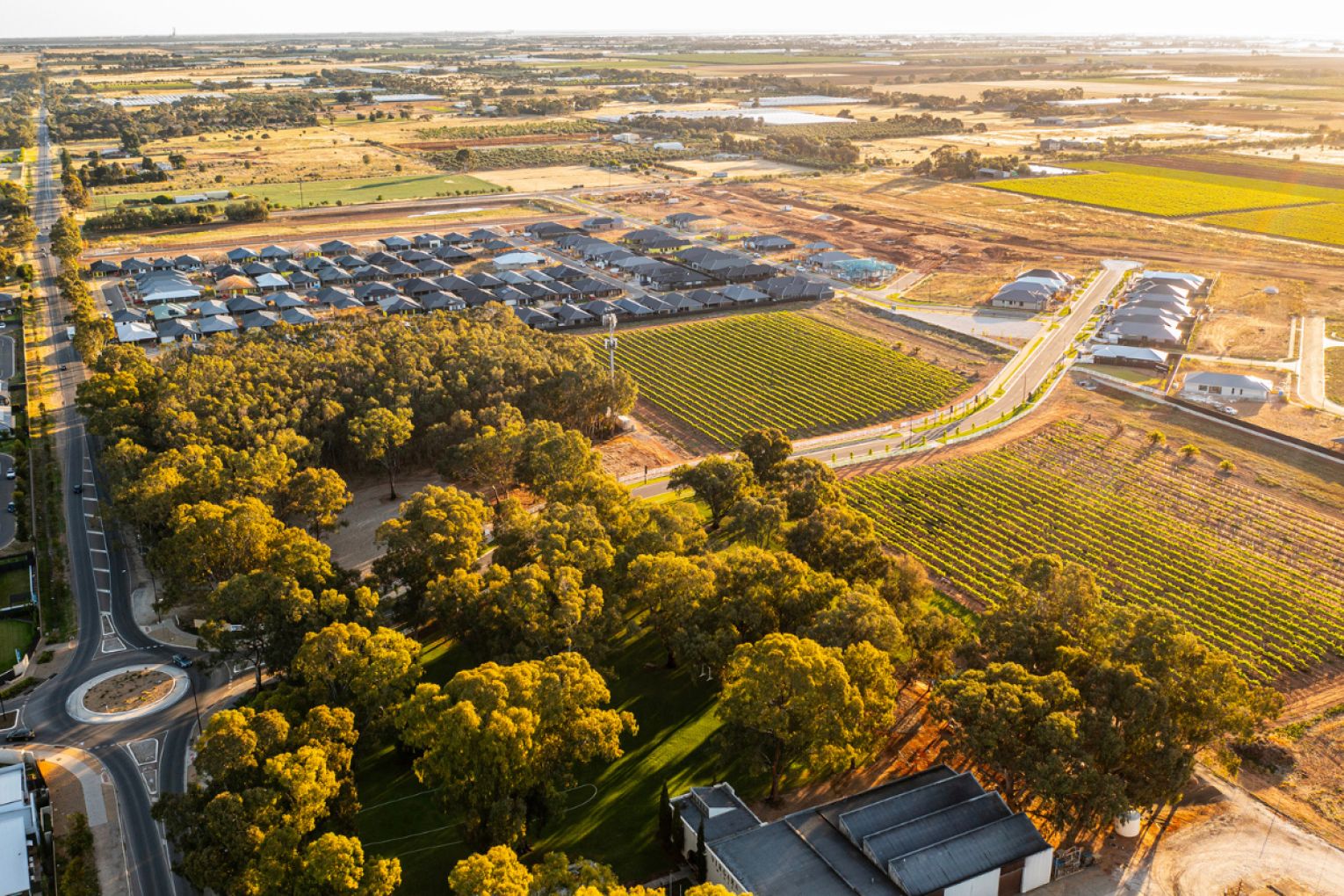
South Australia has made meaningful progress in tackling its housing shortage in recent years, but the work required to unlock supply – and maintain affordability – is far from finished.
That is the message from Urban Development Institute of Australia (SA) as it releases its 2026 Grow.Reform.Build. (GRB) policy agenda ahead of the upcoming state election, outlining the reforms the industry says are needed to keep housing delivery moving and ensure the state can meet growing demand.
According to UDIA SA chief executive Liam Golding, several of the organisation’s key recommendations from its 2022 election agenda have already delivered tangible results, particularly in helping government better understand the structural issues constraining housing supply.
“Both the State Government’s Land Supply Dashboard and the creation of the Housing Infrastructure Planning and Development Unit – now reorganised into the Growth and Infrastructure Coordination Unit – were critical wins that came from the UDIA’s 2022 GRB election agenda,” Golding says.
“These wins have been central to underpinning the government’s understanding of the housing supply shortage we currently face, and the fact that the shortfall can be traced back to a lack of infrastructure servicing growth areas and providing the fundamental requirements that facilitate housing approvals and allow building to happen.”
That improved understanding helped inform the State Government’s 2024 Housing Road Map, which set out a program of infrastructure investment aimed at unlocking stalled housing developments across metropolitan Adelaide.
“The Premier’s Housing Road Map from 2024 came out of this understanding of the critical need to provide infrastructure to support housing supply,” Golding says.
“The progress on the ground has been tangible with infrastructure being delivered in line with the Road Map targets and timelines.
“However, this infrastructure investment was focused on supporting housing growth fronts which had stalled. It is important that this work has been unlocked by the Road Map investment, but to make the needed dent in additional housing supply, there is a need to augment these existing growth fronts with new housing supply.”
You might like

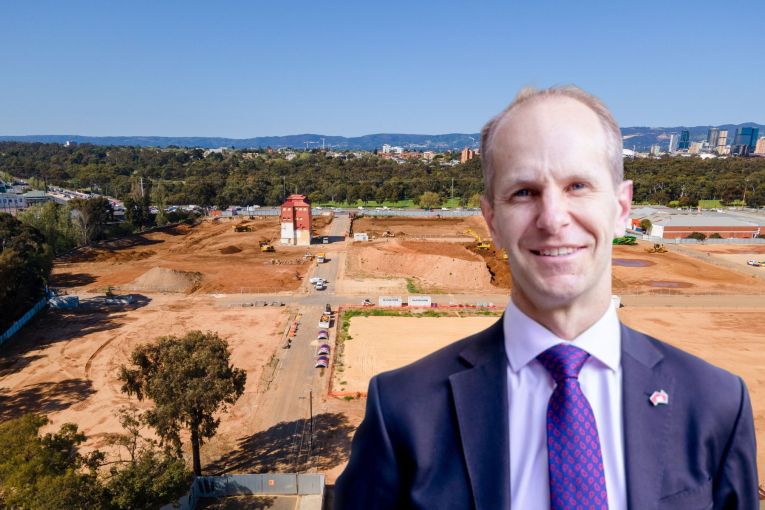
The Road Map has primarily targeted northern growth areas including Angle Vale, Roseworthy, Riverlea, Virginia, Gawler East and Two Wells, as well as Onkaparinga Heights in Adelaide’s south.
But Golding says opportunities remain constrained both within and beyond those areas.
“Even within these areas, there are locations sometimes mere blocks away that are without a clear pathway to connections and an opportunity to build,” he says.
“Growth remains constrained in other northern metro suburbs and additionally in the southern metro area, Encounter Bay, Murray Bridge and also in several infill precincts.”
Infrastructure remains the single biggest barrier to unlocking new housing supply, but developers are also grappling with the realities of delivering projects in an increasingly expensive environment.
“A key consideration for housing supply is maintaining financial feasibility in a high-cost environment,” Golding says. “With median house prices approaching $1 million and the affordable end of the market at risk of pricing ever more people out of the market, the ability to see projects stack up by passing ever more costs onto the consumer is incredibly limited.”
For that reason, UDIA SA believes taxation reform should form part of the next phase of housing policy to improve supply and affordability.
Planning reform is another area where the industry expects to see clearer results in the coming years. “The measurability of improvements to planning pathways are likely still coming,” Golding says.
“The Road Map provided a suite of initiatives that promised to make the approval pathway 18 months faster. As the Road Map was first announced 20 months ago, we haven’t yet seen the full impact of the changes.
“There are signs of progress that are welcome and we will continue to work with government to realise the benefits.”
A central recommendation of the 2026 Grow.Reform.Build. platform is the creation of a dedicated funding stream for growth infrastructure.
“We believe hypothecating 10 per cent of stamp duty revenue to the delivery of growth infrastructure will make a meaningful dent in the backlog of works required and will create a virtuous cycle of investment, leading to growth, leading to taxation income,” Golding says.
“Additionally, systemic changes that will see infrastructure delivered in a smooth and predictable way – breaking out of artificial four-year regulatory cycles – are of critical importance to responding quickly to shifts in demand like the current post-Covid spike we are still working through.”

Another option, he says, is expanding opportunities for private sector delivery of enabling infrastructure. “In many cases, the private sector is able to deliver fit-for-purpose infrastructure faster and more cost-effectively. This can help both supply and affordability.”
The Grow.Reform.Build agenda also highlights regulatory reform as a pathway to improving affordability.
“Affordability can be achieved by reducing the regulatory burden that forces up costs and by supercharging supply so that it can meet the current demand within the market,” Golding says.
“Grow.Reform.Build speaks to the need to provide serviced land for housing development to increase supply, but also to mechanisms that will deliver approvals faster.
“Measures like those in the Reform section of our GRB agenda that reduce duplication in referrals to state bodies which see the same matters raised multiple times can see time savings. Contestability also delivers affordability benefits as does improved transparency, ensuring that the infrastructure and services being provided are efficient and appropriate.”
The industry is also watching workforce pressures closely, particularly as several major projects ramp up across the state.
“On workforce, there remains a need to secure a pipeline of skilled tradespeople to support the industry over the coming years and decades,” Golding says.
“We remain concerned that, while there is enough workforce to make do in the current climate, specific trade shortages are already being felt as the workforce for major projects like the Torrens to Darlington tunnels, AUKUS shipbuilding and copper production expansions come online.”
At the national level, Golding says stronger collaboration between governments has been encouraging.
“Since the Albanese Government initiated its housing target of building 1.2 million additional well located houses, the UDIA has been firm in its advocacy that the way to support the achievement of the goal is to bring forward the incentive payments to deliver the enabling infrastructure required to deliver the houses and meet the targets,” he says.
“The recent announcement of a partnership between South Australia and the Federal Government is more than welcome; it is also being held up by other UDIAs around the nation as a blueprint of what should happen in other states.”
Looking ahead, Golding says the full impact of the GRB agenda will take time to be realised.
“If the whole of Grow.Reform.Build is adopted, in three to five years we will just be seeing the start of the benefits of the hard work that has been done to implement the vision,” he says.
“But this will be an important time. We will have a housing sector that is set up to provide the workforce our state requires with the homes the workers need to unlock the future our state can achieve.
“Fixing a decades-long underinvestment in infrastructure will take time, but there is no better time than to start that work now.
“It is pleasing to see the focus on housing we have seen so far in this election campaign. Turning that attention into continued action will be essential to setting up South Australia for a prosperous future.”
Want to see more stories from InDaily SA in your Google search results?
- Click here to set InDaily SA as a preferred source.
- Tick the box next to "InDaily SA". That's it.