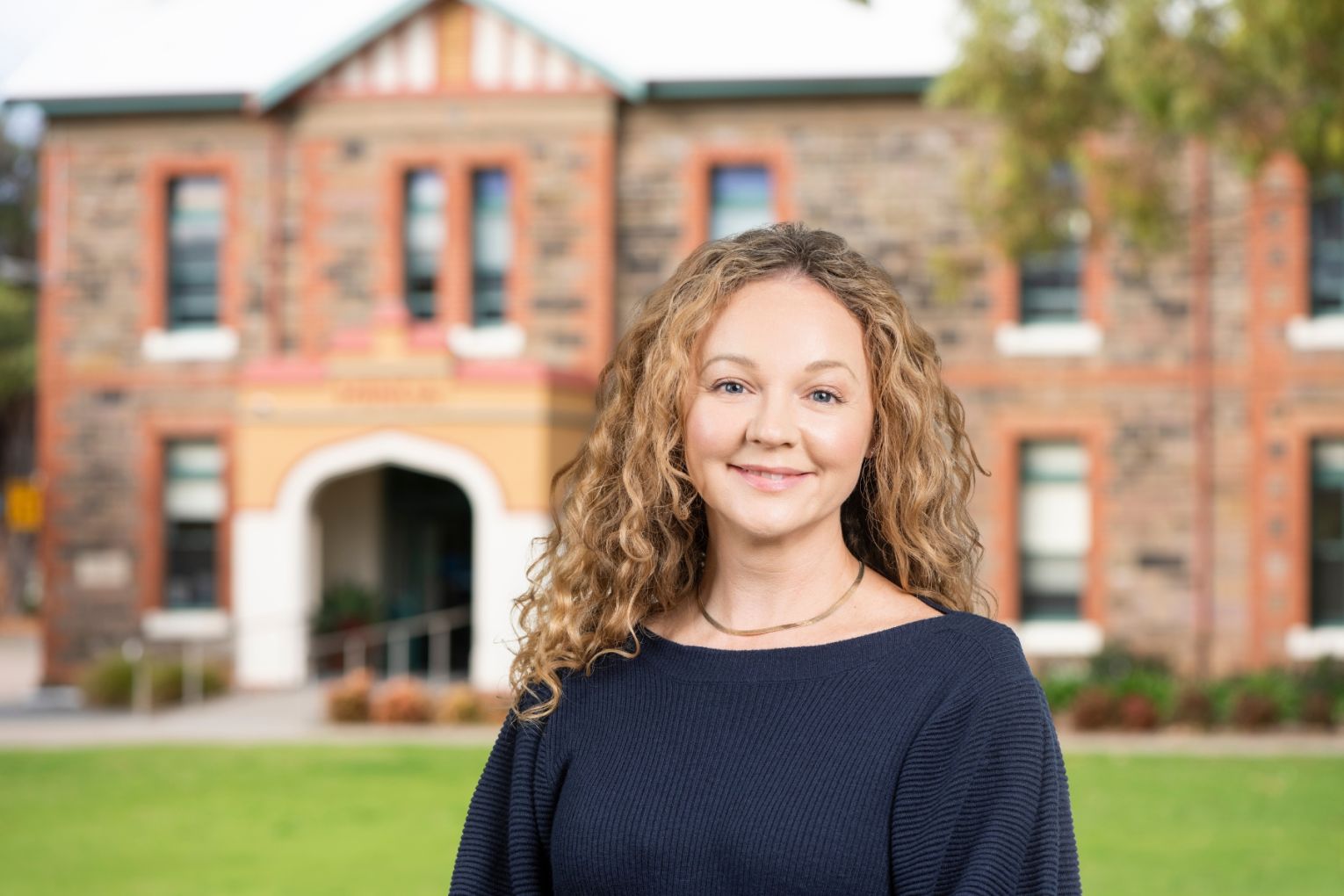
10 minutes with… Minda CFO Hannah Murphy
Hannah Murphy is the CFO of disability services provider Minda. This International Women’s Day, we ask her about the unique challenges female leaders face.
What does leadership mean to you?
For me, leadership is about taking responsibility for outcomes while creating the conditions for others to do their best work. It’s not about hierarchy or authority; it’s about clarity, integrity and accountability.
In my role, leadership often means stepping into complex or difficult situations and helping the organisation move forward with confidence. That might involve making tough decisions, bringing people together around a shared goal, or ensuring we stay focused on our purpose.
I also believe leadership is about stewardship. Organisations like Minda exist to support people with intellectual disability to live the lives they choose. As leaders, we are custodians of that Purpose, and it’s our responsibility to ensure the organisation remains strong, sustainable and capable of delivering on that Purpose for decades to come.
What are the challenges of being a CFO for an organisation like Minda?
One of the biggest challenges is balancing financial sustainability with purpose.
Disability Services operate in a highly regulated environment, and funding frameworks such as the NDIS don’t always fully reflect the real cost of providing high-quality support.
You might like

As CFO, you’re constantly working to ensure the organisation remains financially strong while also advocating for the resources needed to deliver the right outcomes for the people we support.
Another challenge is the scale and complexity of the sector. Organisations like Minda operate across housing, daily support, employment pathways, allied health, and community programs. That means the CFO role is not just about financial reporting, it’s about strategy, risk management, infrastructure, digital transformation and long-term investment decisions that shape the organisations’ future.
There have been other disability support organisations that have faced difficulties over the past year, such as Bedford. What do you learn from those situations?
The challenges faced by organisations like Bedford are a reminder that the disability sector is operating in a very complex and evolving environment. Many providers are navigating the transition from traditional service models to the NDIS, which introduced a different operating model for the sector. While the scheme created important choice and control for participants, it also requires providers to adapt to a new set of financial realities.
The NDIS is often described as a market-based system but in practice it operates more like a regulated market where prices are largely capped. That means sustainability depends less on price competition and more on how efficiently organisations can deliver high-quality services within those constraints.
For leaders in the sector, situations like this reinforce the importance of strong governance, financial discipline and strategic clarity. They also highlight that the pressures facing providers are real and widespread, and that maintaining sustainability while delivering high-quality services requires constant focus and adaptability.
How important is finding purpose in your working life?
For me purpose is fundamental. Working in the disability sector means the decisions we make have a direct impact on people’s lives. That gives the work a very real sense of meaning and responsibility.
Stay informed, daily
Purpose also helps you navigate the harder moments. The sector can be complex and demanding but knowing that your work contributes to creating better opportunities and greater independence for people provides motivation.
What are the main challenges being faced by the sector right now?
Financial sustainability is the number one challenge facing the sector right now. Many disability providers are operating with very limited cash reserves, while also dealing with rising operating costs and increasing regulatory expectations. At the same time, the NDIS pricing framework doesn’t always fully account for the real cost of delivering complex supports or maintaining the infrastructure required to do so. In a choice-and-control environment like the NDIS, traditional consolidation models such as mergers or acquisitions are not always straightforward unless organisations have significant assets to leverage. As a result, the sector needs to think differently about sustainability, including how providers can share capability, collaborate and reduce duplicated overheads where the funding model doesn’t adequately support those costs.
In the context of International Women’s Day, what are some challenges uniquely faced by female CFOs?
While progress has been made, women in senior leadership roles often still face expectations that can be difficult to balance. Finance roles, particularly CFO roles, traditionally carry a perception of being highly analytical and transactional. At the same time, women leaders are often expected to bring strong relational and collaborative leadership styles. Balancing those expectations while maintaining credibility in complex financial discussions can sometimes create additional pressure.
Another challenge is visibility. Women in executive roles often carry significant organisational responsibility but may still be under-represented in some forums where key strategic decisions are shaped. That said, I think there is a growing recognition that diverse leadership teams lead to stronger organisations, and I’m encouraged by the increasing number of women stepping into senior financial leadership roles.
Where do you see opportunities for Minda?
There are significant opportunities for Minda in helping shape what quality looks like in disability services. Quality is often discussed in terms of compliance or customer service, but in reality, it is much broader than that. It’s about ensuring people are supported to live meaningful lives, maintain relationships, pursue their goals and remain connected to their communities.
Minda has a strong reputation in the sector, which positions us well to contribute to the ongoing conversation about what high-quality, person-centred support truly looks like and how organisations can deliver that sustainably.
What’s next for the organisation?
Minda has a long history in SA and the focus now is on ensuring the organisation continues to evolve while staying true to its Purpose.
An important next step for Minda is transitioning from an incorporated association to a company limited by guarantee. This reflects the scale and maturity of the organisation today and will support stronger governance and long-term sustainability. It will also enable Minda to continue to attract a diverse and professionally experienced Board, while maintaining a strong connection to the community we serve.
Importantly, the transition will also redefine how lived experience is represented in our governance. Our proposed constitution will create pathways for people with intellectual disability to be supported to participate on the Board and help shape the future of the organisation. This is a significant step in Minda’s ongoing journey of deinstitutionalisation, ensuring the people we support are not just recipients of services, but active participants in shaping the organisation that exists to support them.
Alongside this governance evolution, Minda continues to look to the future of the Brighton site. With seventy acres of land, there is a real opportunity to create a vibrant and inclusive community that brings together housing, services and shared space in a way that supports people with intellectual disability to live alongside the broader community.
Ultimately, the goal is to ensure Minda remains a strong, modern and sustainable organisation that continues to support people with intellectual disability for generations to come.
Want to see more stories from InDaily SA in your Google search results?
- Click here to set InDaily SA as a preferred source.
- Tick the box next to "InDaily SA". That's it.