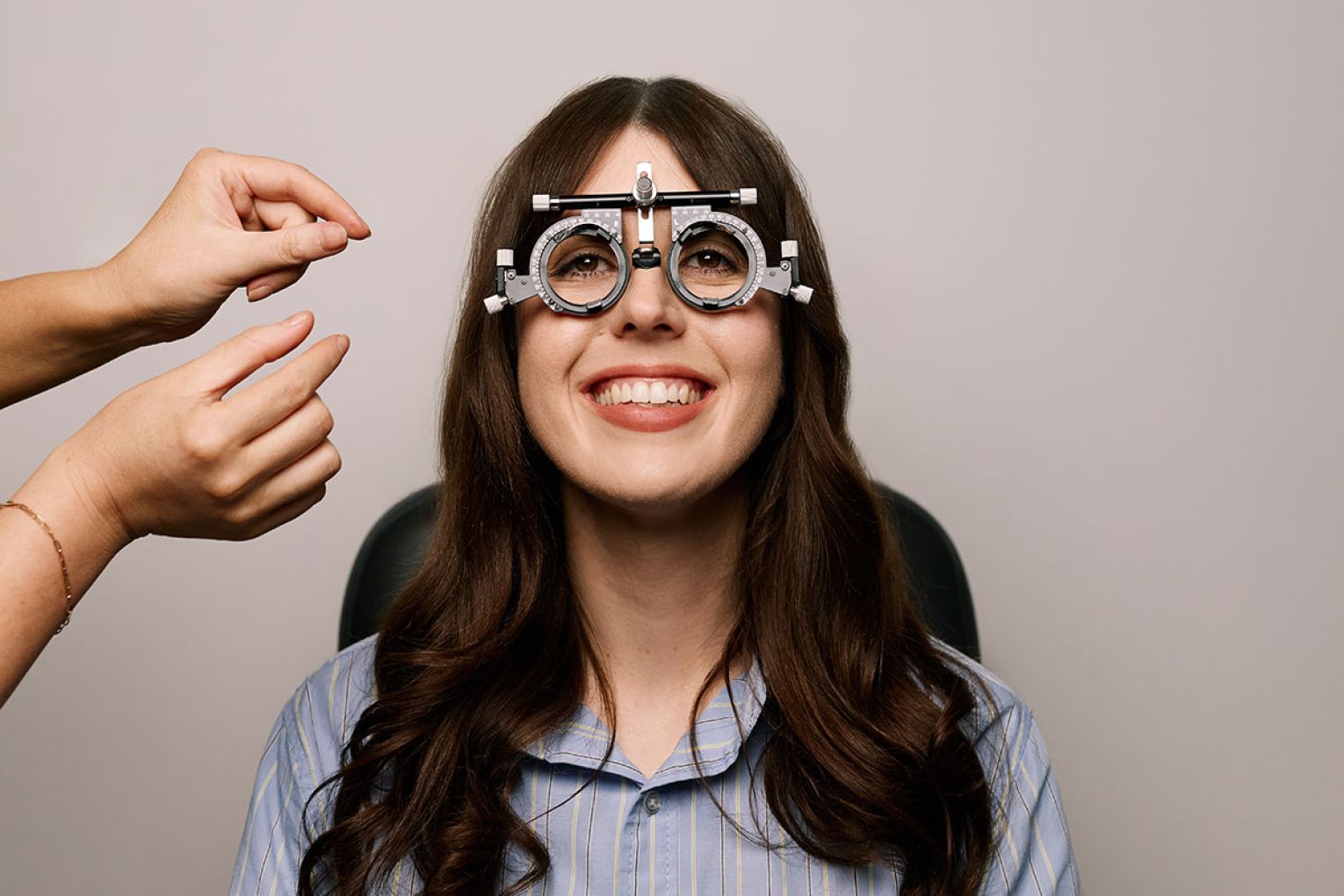
What if a routine eye test could tell you more about your health than you thought?
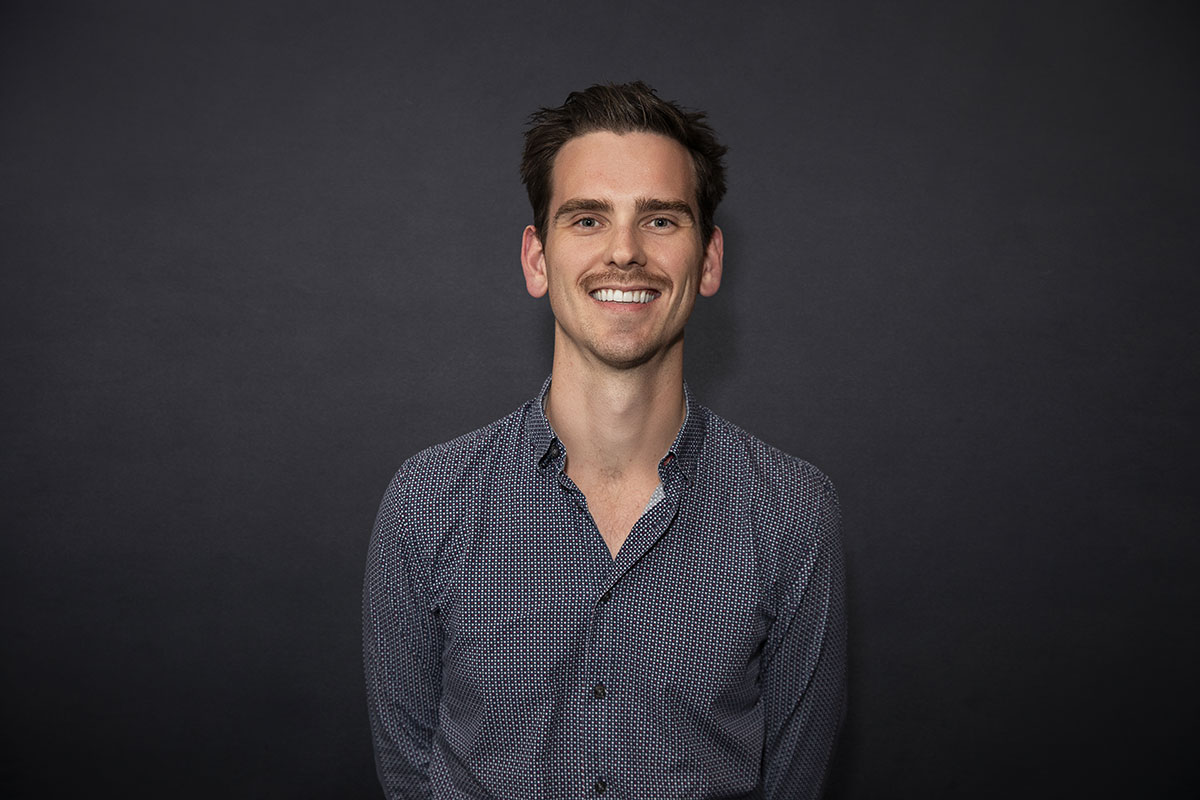
We tend to think of eye tests as a simple check-in on our vision – a quick way to see if we need new glasses. But according to optometrist Sam Loughlin from Health Partners Optical, they can reveal far more than just how clearly you can read a street sign.
“The eyes can provide insight into someone’s overall health,” he says. “They’re the only place in the body where the blood vessels and nerves can be seen.”
It’s this unique vantage point that makes the eyes such a powerful diagnostic tool. During a routine examination, optometrists can observe subtle changes that may indicate underlying health conditions – sometimes before any other symptoms appear.
And the list is broader than many people expect.
“Conditions such as diabetes, high blood pressure, high cholesterol, brain tumours, auto-immune and inflammatory conditions, various cancers and nutrient deficiencies – the list goes on!” Sam says.
The signs you might not notice
You might like


One of the biggest misconceptions around eye health is that you’ll notice when something’s wrong.
“Sometimes vision changes can be very gradual and go unnoticed, or sometimes an eye condition may not cause changes to vision,” Sam says. “Just because your vision seems to be OK doesn’t mean it is.”
That’s why regular eye tests are so important – particularly from your 40s onwards.
We [at Health partners] recommend an eye test every two years if you’re under 65 years old, and every year if you’re over 65. Sam says. “This difference is likely due to the increase in the prevalence of eye conditions like cataracts, macular degeneration and glaucoma.”
More than just a vision check
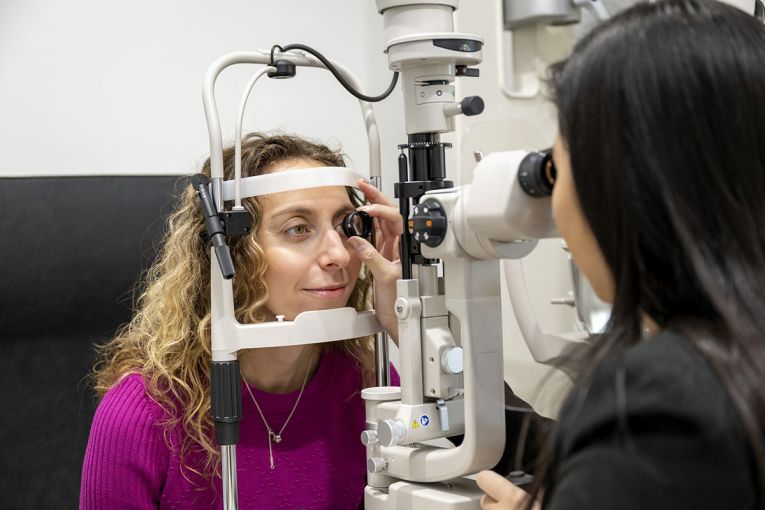
Modern eye exams are more advanced than ever, combining traditional assessments with increasingly sophisticated technology.
“Eye checks are easy, painless and usually take less than 30 minutes,” Sam says. “Optometrists now have much better diagnostic and imaging equipment.
“At Health Partners, we provide comprehensive assessment of the eyes from front to back. We even write reports to doctors and referrals to ophthalmologists to ensure our clients have the best care.
“Health Partners also provide genetic testing for conditions like glaucoma and macular degeneration.”
Small habits, big impact
Beyond regular testing, everyday habits play a significant role in maintaining eye health – something that’s particularly relevant in a screen-heavy, always-on world.
“Eyes are deeply affected by our daily habits,” Sam says. “Small, intentional shifts can significantly reduce strain and protect your long-term vision.”
Extended screen time is a major contributor to dry eyes and fatigue, but there are simple ways to manage it. “It’s a good idea to follow the 20-20-20 rule – every 20 minutes, look 20 feet away for 20 seconds. It’s also a good idea to keep any near task at least an elbow distance from your eyes.”
Food also plays a role. “Having a diet full of nutrient-rich foods such as dark green vegetables, fish, antioxidants and vitamins promotes good eye health.”
And sleep, often overlooked, is essential. “A good night’s sleep helps replenish the tear film, promotes good blood flow to the eye and can reduce eyelid twitching. It also helps the brain process visual information from that day, too.”
A simple step that matters
If there’s one habit Sam recommends above all else, it’s to protect your eyes from the sun.
“I would recommend wearing sunglasses to protect the eyes from a lifetime build-up of UV damage,” he says. “Long-term UV exposure can cause cancers and other growths to form on the eyes.”
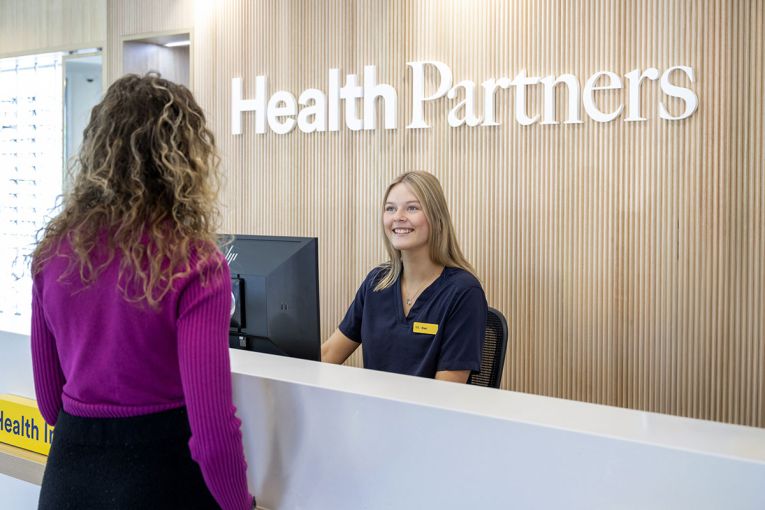
Health Partners Optical welcomes all health funds, with additional value available to Health Partners members through Extras cover. With six locations across South Australia, your local store is never far away.
Find your store here
Want to see more stories from InDaily SA in your Google search results?
- Click here to set InDaily SA as a preferred source.
- Tick the box next to "InDaily SA". That's it.