Eurovision, Israel and the politics of pop music
The Eurovision boycott, the vote and how Israel turned the world’s biggest song contest into a soft-power campaign.
Over the weekend, Eurovision got a feel-good ending.
Bulgaria won the contest for the first time with its infectious song Bangaranga. And Australia came close – with Delta Goodrem placing fourth.
But the controversy over Israel didn’t go away.

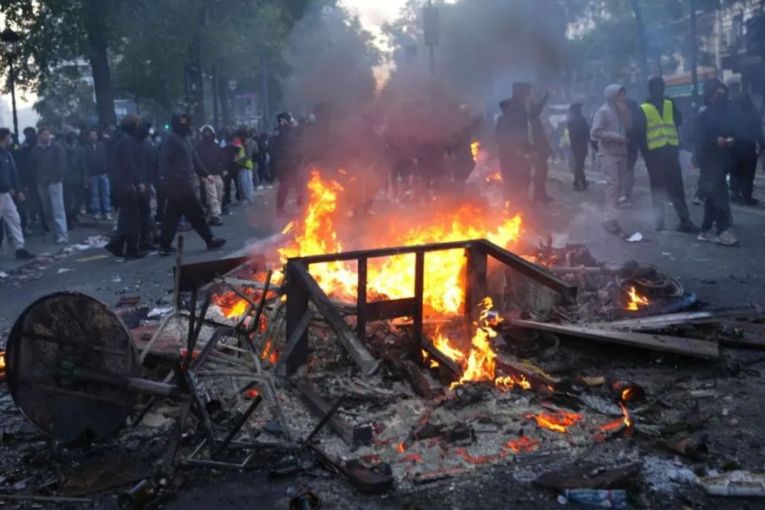
Israeli singer Noam Bettan finished second, after getting a huge huge public vote – despite protests outside the contest, boycotts from five countries and warnings at Israeli broadcaster KAN’s campaign urging people to vote 10 times.
Eurovision insists it’s a non-political contest … but in the past three years, Israel’s place in it has exposed how political that stage can be – and how useful it can be for a government trying to shape how the world sees it.
You might like
Today, author of Eurovision!: A History of Modern Europe Through the World’s Greatest Song Contest, Chris West, discusses the boycott, the vote and how Israel turned the world’s biggest song contest into a soft-power campaign.
If you enjoy 7am, the best way you can support us is by making a contribution at 7ampodcast.com.au/support.
And Eurovision audio is courtesy of SBS.
Socials: Stay in touch with us on Instagram
Guest: Author of Eurovision!: A History of Modern Europe Through the World’s Greatest Song Contest, Chris West.
Want to see more stories from InDaily SA in your Google search results?
- Click here to set InDaily SA as a preferred source.
- Tick the box next to "InDaily SA". That's it.