Leadership Lens: Purpose isn’t fading, but people are carrying more
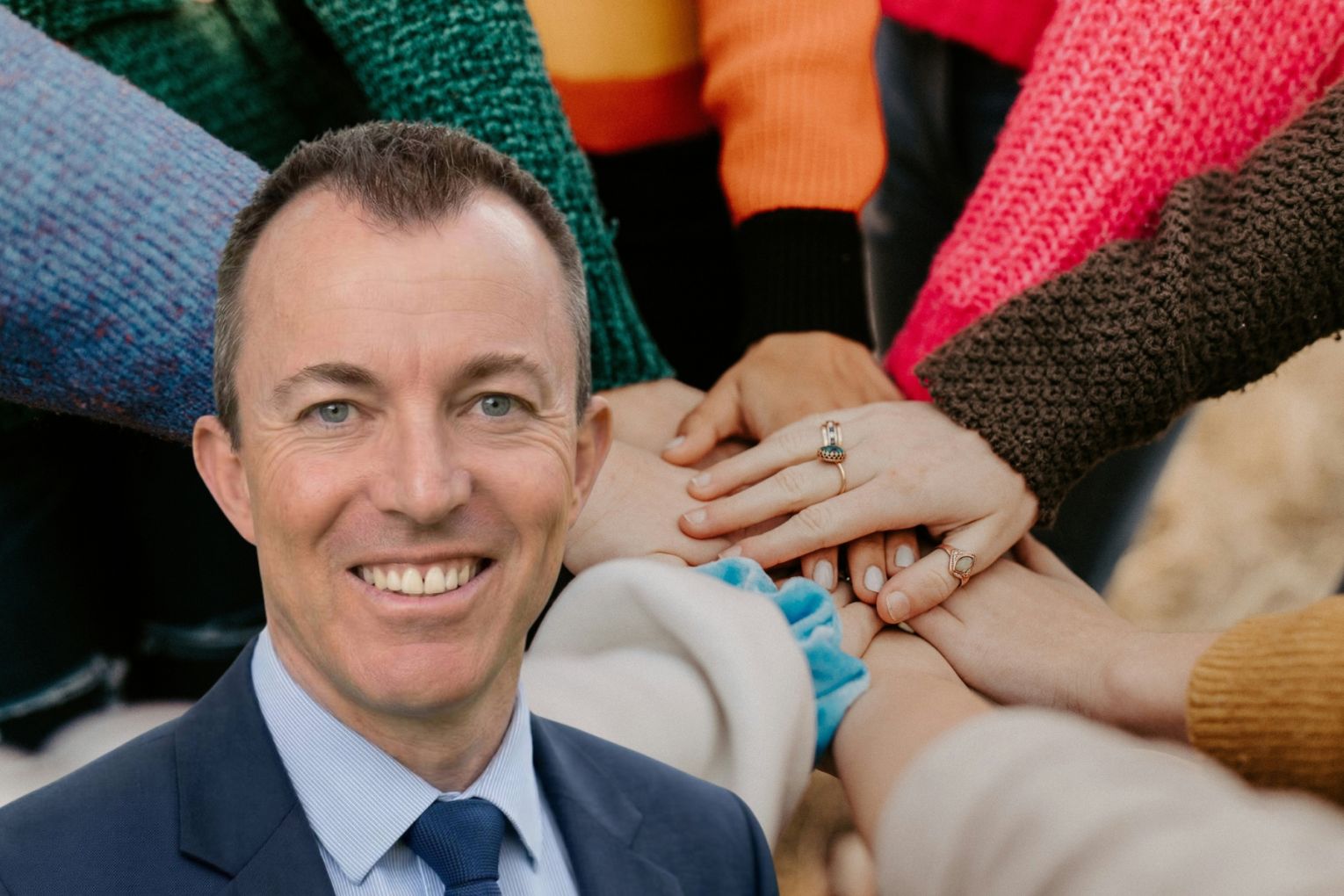
Leadership has never had a greater opportunity to positively influence engagement, retention and wellbeing across the not-for-profit sector, writes Community Business Bureau CEO Shane Farley.
When Emily* talks about her job, she doesn’t lead with pressure or fatigue.
She talks about the people she supports. The moments that stay with her at the end of the day. The feeling that what she does genuinely matters, not just to her organisation, but to her community.
Like many people working in South Australia’s non‑profit sector, Emily chose this work because it aligns with her values. Purpose is what initially brought her here, and it’s what keeps her committed.
Beyond purpose, another force is shaping her experience and her decision to stay. Leadership.
The way her leader checks in when workloads spike. The flexibility she’s offered when life becomes demanding. The recognition she receives for going above and beyond. These moments don’t make headlines, but they make a difference, especially now, as financial and personal pressures continue to rise.
CBB NFP Survey
At Community Business Bureau, we recently conducted a survey of non‑profit employees and employers, which highlighted a consistent message: leadership has never had a greater opportunity to positively influence engagement, retention and wellbeing across the sector.
Our survey confirmed that non‑profit employees overwhelmingly choose the sector because they want to make a positive difference. They love the work, believe in the values of their organisations and take pride in being part of something bigger than themselves.
That sense of purpose remains strong. What has changed is the broader context in which people are doing this work.
You might like

Many employees are navigating heightened cost‑of‑living pressures, with housing affordability and everyday expenses weighing heavily, particularly for younger workers. Our research also confirmed that women report higher levels of financial stress and lower perceived financial wellbeing, often balancing multiple pressures at once.
These realities don’t diminish people’s commitment, but they do emphasise that a supported, sustainable and energised workplace is critical. This is where leadership plays a defining role.
Across the survey, employees who described themselves as highly engaged and productive consistently point to leadership as a key reason. Supportive managers, clear communication, trust, recognition and autonomy emerge as the strongest contributors to positive experiences at work.
When these elements are in place, employees are far more likely to stay, even when external pressures are high. They feel seen, valued and understood. They feel confident that their organisation cares not only about outcomes, but about the people delivering them.
Importantly, when employees feel unsettled in their roles, it is often linked to gaps in support, limited recognition, stretched workloads or a sense that growth opportunities are unclear. These are not criticisms so much as signals, signals that the best leaders pay attention to.
Leadership, in this sense, becomes an opportunity to create stability, clarity and reassurance in a time of uncertainty.
Understanding the whole person
Financial stress is now a common backdrop for many workers. Housing, unexpected expenses and healthcare costs are front of mind, and our survey revealed that these pressures are particularly pronounced for employees under 45.
Leaders don’t need to have all the answers to these challenges, but awareness matters. Employees who feel their leaders understand what they’re managing outside work report stronger engagement and higher satisfaction.
Respondents highlighted that simple actions make a difference: open conversations, flexibility where possible, thoughtful workload management, and a culture where wellbeing is a shared responsibility rather than an individual burden.
In emotionally demanding roles, this level of care and awareness can be the factor that allows someone to keep doing meaningful work without fear of burning out.
Shaping the future of our workforce
Stay informed, daily
Younger employees often stay for many reasons at once: purpose, flexibility, learning, culture and a sense of belonging.
They are also building expectations early about what good leadership looks like.
When leaders invest in development, provide clarity around career pathways and foster inclusive, supportive cultures, younger workers deepen their commitment not just to an organisation, but to the NFP sector as a whole. They become the next generation of leaders, carrying knowledge and values forward.
Employers are already seeing the importance of this. In an environment where recruiting senior leaders is becoming more difficult, succession planning is emerging as a critical issue. Supporting and retaining emerging talent today is one of the most effective ways to address tomorrow’s leadership challenges.
Why this matters for South Australia
The non‑profit sector plays a vital role in South Australia’s economy and social fabric. It is a major employer and a key provider of many essential services.
When NFP organisations attract and retain skilled, motivated people, the benefits extend far beyond the workplace. Communities experience more consistent services, stronger relationships, and better outcomes, while the sector itself remains resilient, adaptive, and capable of meeting growing needs.
Using that lens, leadership that supports people to stay, grow and thrive is therefore not just an organisational asset, it is a community one.
A moment of opportunity
The picture that emerges from this research is not one of decline, but of potential.
Most non‑profit employees told us they want to stay in the sector, and the majority of organisations have engaged and committed teams. Leadership has a powerful opportunity to build on this foundation, and in a time of increased pressure, leadership that listens, adapts and leads with empathy can make a lasting difference, for workers like Emily, for organisations, and for the future of South Australia’s non‑profit sector.
Purpose is still strong. With thoughtful leadership, it can remain sustainable too.
*Emily is a fictional character created to illustrate common themes emerging from CBB’s latest research and does not represent any specific person.
Shane Farley is a purpose-driven leader with a strong track record of working across several sectors, including not-for-profit, financial services, elite sport, education, and local government. At CBB, Australia’s only not-for-profit salary packaging provider, he leads a team that has formed partnerships with over 1,200 NFPs nationwide, helping organisations attract, reward, and retain talented people. Shane also contributes to the community sector through Board and advisory roles, alongside several volunteering experiences that reflect his commitment to making a positive impact. Passionate about aligning business performance with purpose, he is focused on working with not-for-profits to achieve more through values-aligned partnerships.
Leadership Lens is a monthly column produced alongside the Leaders Institute of South Australia. Click here to read the series.
Want to see more stories from InDaily SA in your Google search results?
- Click here to set InDaily SA as a preferred source.
- Tick the box next to "InDaily SA". That's it.