Thousands of speeding tickets reversed in SA Police bungle
SA Police will lose millions of dollars in reversing mobile speed camera fines – but there is a catch.
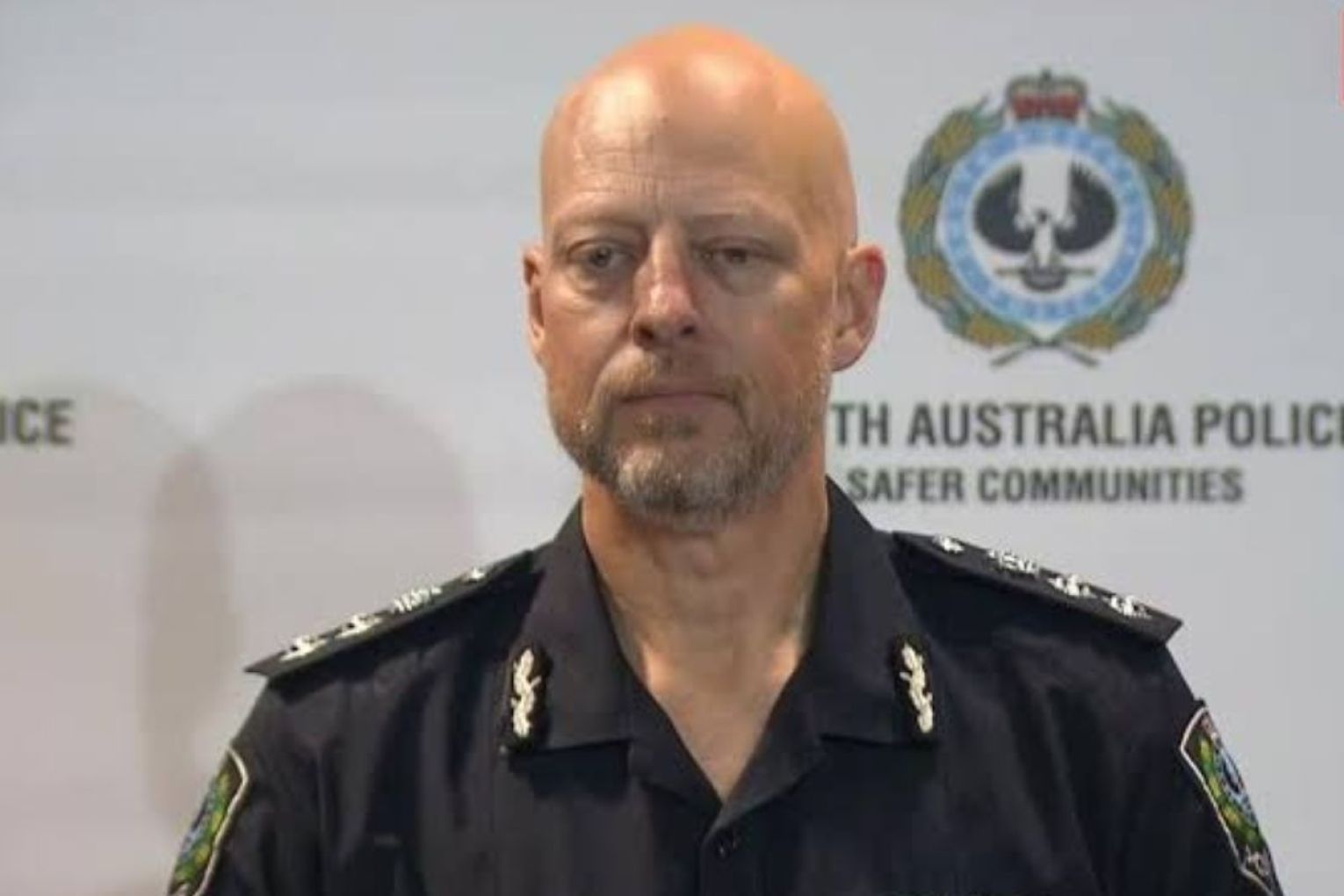
More than 8000 South Australians who were issued speeding fines or other expiation notices by the state’s mobile speed cameras will have their fines reversed, SA Police announced on Friday afternoon.
SA Police Acting Assistant Commissioner Scott Fitzgerald said he anticipated the revenue lost from the fines was “in the vicinity of $4.7 million”.
But motorists who had already paid fines issued in the year-long period of the cameras going unchecked would not be reimbursed, Fitzgerald said.
“Once the expiation notice has been paid, that completes the matter,” he said.
Fitzgerald said the speeds detected by the mobile speed cameras “were accurate”, and “the issue” was with prosecuting speeding cases.
Fines issued by mobile speed cameras typically installed inside parked cars or on tripods across SA from November 6, 2025, to October 29, 2026 will be withdrawn due to a non-compliance issue, Fitzgerald said.
You might like
The early Christmas gift to thousands of motorists stemmed from a Port Adelaide court case involving a motorcycle rider caught speeding at 168km per hour.
About 8383 expiation notices were being withdrawn, in addition to 13 matters that were before the courts for prosecution, SA Police saying in a statement today the decision was made “following extensive discussions and conclusive advice from the Crown Solicitor’s Office”.
“There is no question the speeding offences were committed; the fines are being withdrawn because of a specific technicality,’’ Fitzgerald said.
“The expiation notices were issued in good faith. There is not an issue with the accuracy of any of the mobile speed cameras.
“The issue behind the withdrawal of the expiation notices concerns the timing of the testing of the cameras and compliance with the required Australian Standard to ensure an evidentiary certificate for prosecution is valid.’’
Australian Standard road traffic laws set the rules for testing and operating speed cameras, and testing and checks must confirm the cameras have accurate date, time and location settings after cameras have been set up or relocated.
Stay informed, daily
The Port Adelaide Magistrates Court case involving a BMW motorcycle rider caught by a mobile speed camera travelling at 168 km/h in an 80 km/h zone led to the problem being discovered and the matter being withdrawn.
Close scrutiny of the case found that only one of two laws relating to camera testing was met.
Cameras are supposed to be tested when they are first set up under national laws, known as the Australian Standard drive-through test – this was not completed.
But another type of testing under SA laws called the Road Traffic (Miscellaneous) Regulations was completed successfully, SA Police said.
Additional resources were given to SA Police’s Expiation Notice Branch to withdraw the thousands of fines, which Fitzgerald said were expected to be completed this weekend.
“SAPOL appreciates people will want certainty about their individual circumstances,” the SA Police statement said.
“However, given the number of notices involved, we ask motorists not to contact Expiation Notice Branch at this stage unless their enquiry is urgent.”
SA Police said there were currently 22 mobile speed cameras in use, which were “an invaluable resource for ensuring road safety by acting as a deterrent for speeding”.
Drivers who had received a fine that was reversed were expected to be advised via letter from next week.
Only fines caught by mobile speed cameras will be reversed; the changes do not affect any fines issued by police officers, fixed speed cameras, point-to-point speed cameras or handheld devices.
Want to see more stories from InDaily SA in your Google search results?
- Click here to set InDaily SA as a preferred source.
- Tick the box next to "InDaily SA". That's it.