Scathing new figures question SA’s affordable housing
The state’s minimum wage workers are falling way short in being able to buy a house, a new report reveals. See the numbers crunched.
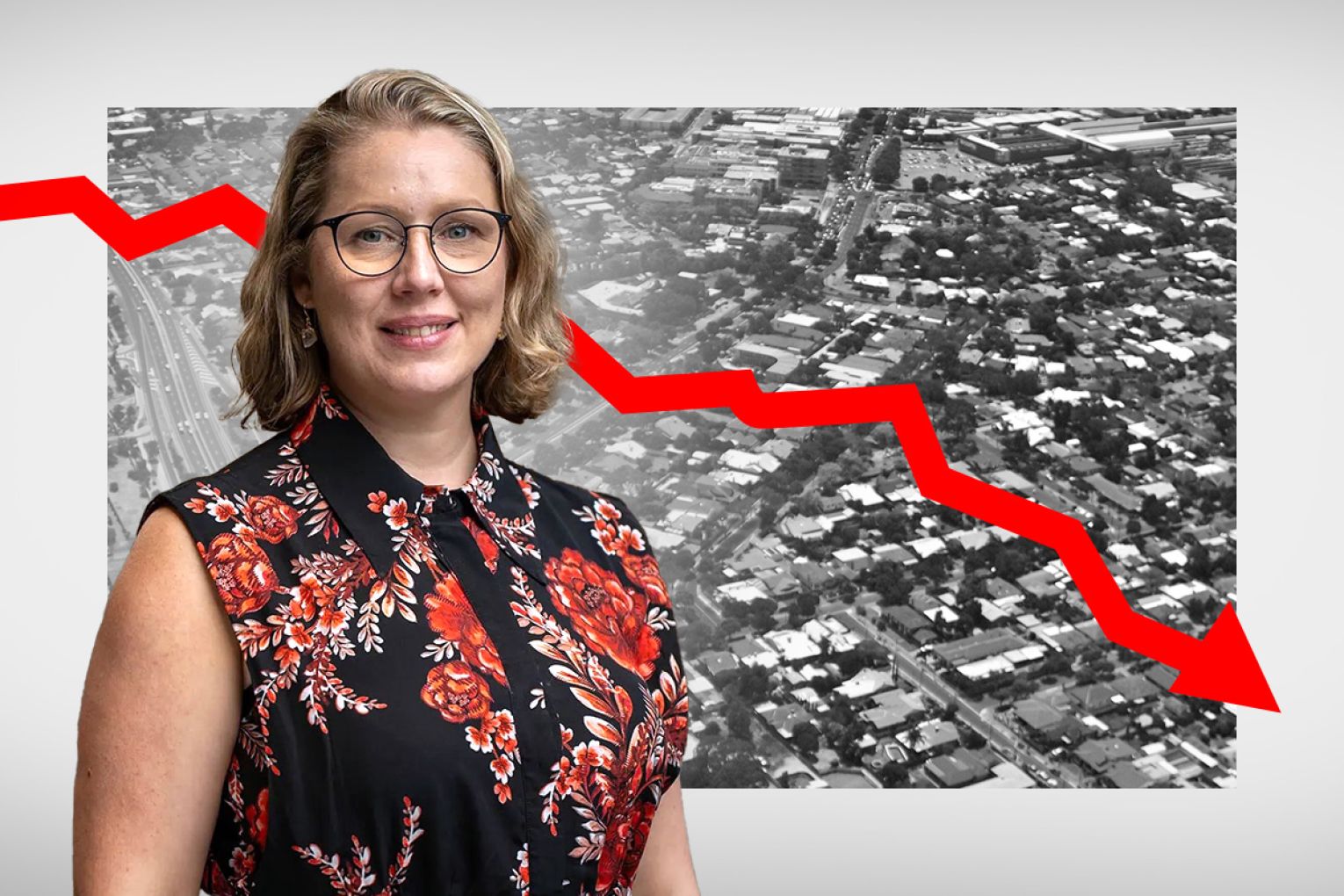
New number-crunching from the state’s peak social services body shows minimum wage workers are falling $100,000 short of affording “affordable” housing.
A report released today from the South Australian Council of Social Services (SACOSS) found that the borrowing capacity of a single worker on a minimum wage was $100,710 short of the average starting price of South Australia’s affordable houses, which have a benchmark of $517,000.
The numbers – based on ABS average weekly earnings, the ATO income tax calculator and HomeStart lending calculators – found that if a single worker could bridge the deposit gap, the weekly mortgage payment would “consume an unsustainable 65 per cent of their total income”.
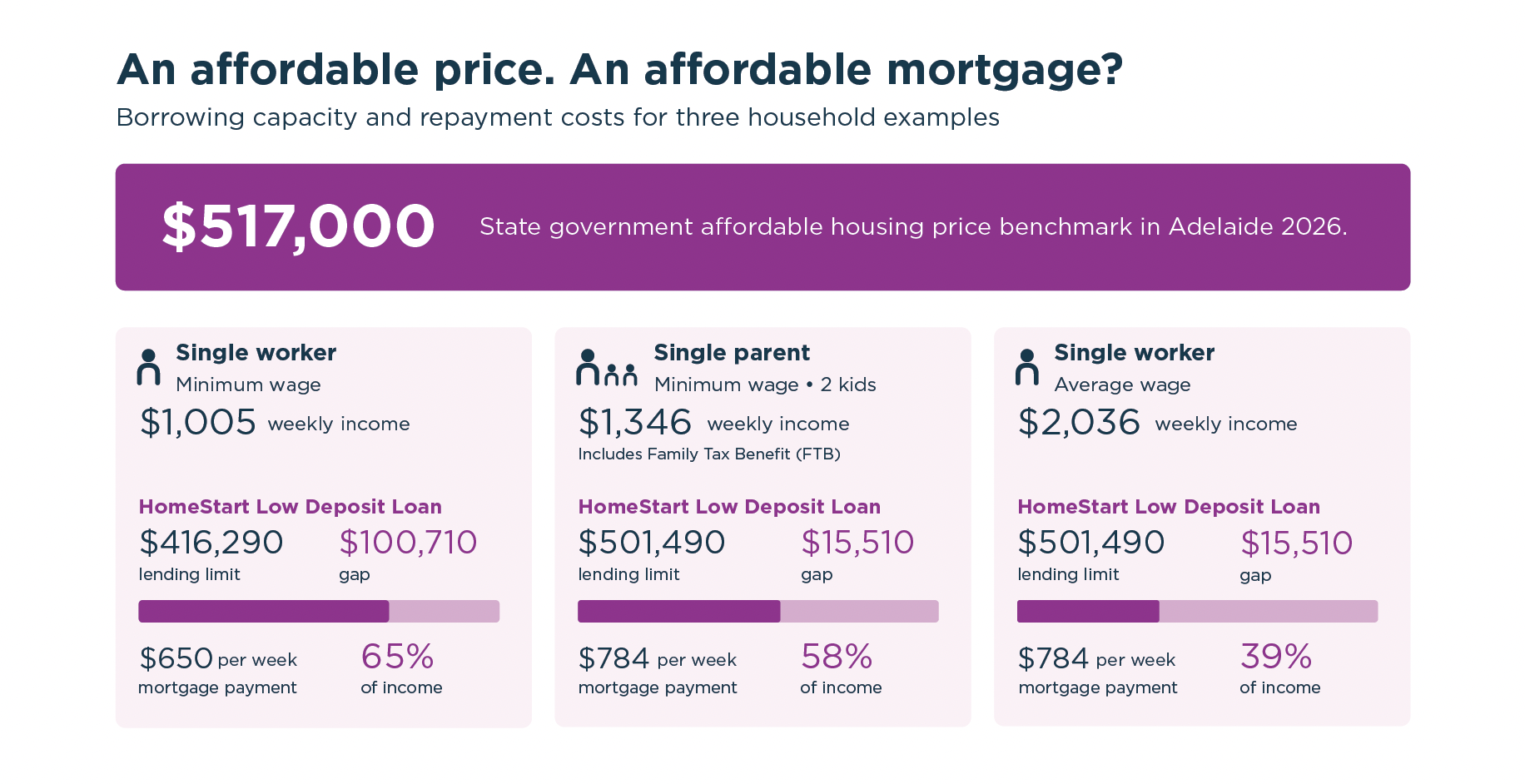
The numbers also found a single worker on an average weekly income of $2036 was about $15,000 short of a deposit and would face a $784 weekly mortgage repayment.
The figures were calculated before the recent Melbourne Cup day rate rise of 4.85 per cent – meaning the disparity has grown since, SACOSS said.
One mortgagee named Emma, who chose to omit her last name, said it was “just bad economics”.
You might like

“I work full-time in a good job, but as a solo mortgagee now in my 50s, every time interest rates increase my payments take up more and more of my total income,” Emma said.
“This is just bad economics, hiking interest rates which affects everyday workers who are living pay to pay while those with cash in the bank get a bonus – and inflation continues regardless.”
The government’s affordable housing benchmark is $517,000, and affordable housing is calculated case-by-case based on household income and borrowing capacity, considering interest rates, a 30-year loan term and income, with repayments limited to 30 per cent of household income.
Loan Market mortgage broker Megh Castledine said she was seeing more clients consider HomeStart’s additional loan products and “alternative solutions” to bridge the gap in their borrowing capacity.
“Whether it be property share, buying with a friend, utilising guarantor equity loans or cash gifts, finding more than one way to skin a cat,” Castledine, who has worked as a broker for 14 years, said.
“Some of the affordable housing stuff is good, but just the availability, like how much is actually available, and how much competition there is… First-time homebuyers aren’t just single people or young married people with no kids.
“First homebuyers can be middle-aged with children because they just didn’t get that opportunity, and now they’re scrambling to do that.”
SACOSS CEO Dr Catherine Earl said the numbers were “concerning”.
Stay informed, daily
“It is challenging for people to borrow enough to buy what is deemed an ‘affordable’ home, and if they can borrow enough, then their repayments represent too large a proportion of their income to really make it ‘affordable’,” Earl said.
“More broadly, it shows how important it is to think of housing in South Australia as a continuum – what is happening at the home ownership point in the continuum has implications for all other points.
“There is a real opportunity in areas like the below-market rental and ownership space to provide solutions that will relieve pressure at the home ownership level.”
The report featured six recommendations, including that the government commit to building 1000 new public and community homes each year, and that tailoring housing policy as a “continuum” model would have a flow-on effect and reduce “growing numbers of people experiencing repeat homelessness”.
One man, Duncan, who spoke to SACOSS for the report, said, “I know what it means to experience homelessness and the uncertainty of not knowing where you will sleep or what comes next. Secure housing is transformative, yet too many people remain in limited housing options.”
The report was provided to Housing Minister Nick Champion, who attended SACOSS’ Annual General Meeting held on Thursday morning. Champion said he would “take the time to consider the recommendations they put forward”.
“I have received the SACOSS report and thank them for their thoughtful, considered insight into housing in South Australia,” Champion said.
Presented with the figures showing the disparity in borrowing capacity and affordable houses, Champion said “after successive government’s using public housing stock as a cash cow, our government has delivered the first increase to South Australia’s public housing stock this century”.
“We are also continuing to work, in partnership with the Federal Government and community housing providers to increase social housing stock across South Australia.
“The state government provides a range of pathways to help eligible South Australians access home ownership, including by scrapping stamp-duty for first homebuyers on new builds, pioneering the Rent To Own scheme which is backed in by SACOSS in the report, offering affordable homes through HomeSeeker SA and low-deposit and shared-equity lending options through HomeStart.
“South Australia continues to lead the nation in affordable housing policy, with a requirement that 15 per cent of homes delivered in significant residential developments are allocated as affordable housing.”
Want to see more stories from InDaily SA in your Google search results?
- Click here to set InDaily SA as a preferred source.
- Tick the box next to "InDaily SA". That's it.