Art Deco society’s surprise take on Piccadilly development
The Art Deco and Modernism Society of South Australia has made its call on plans for the historic Piccadilly cinema in North Adelaide.
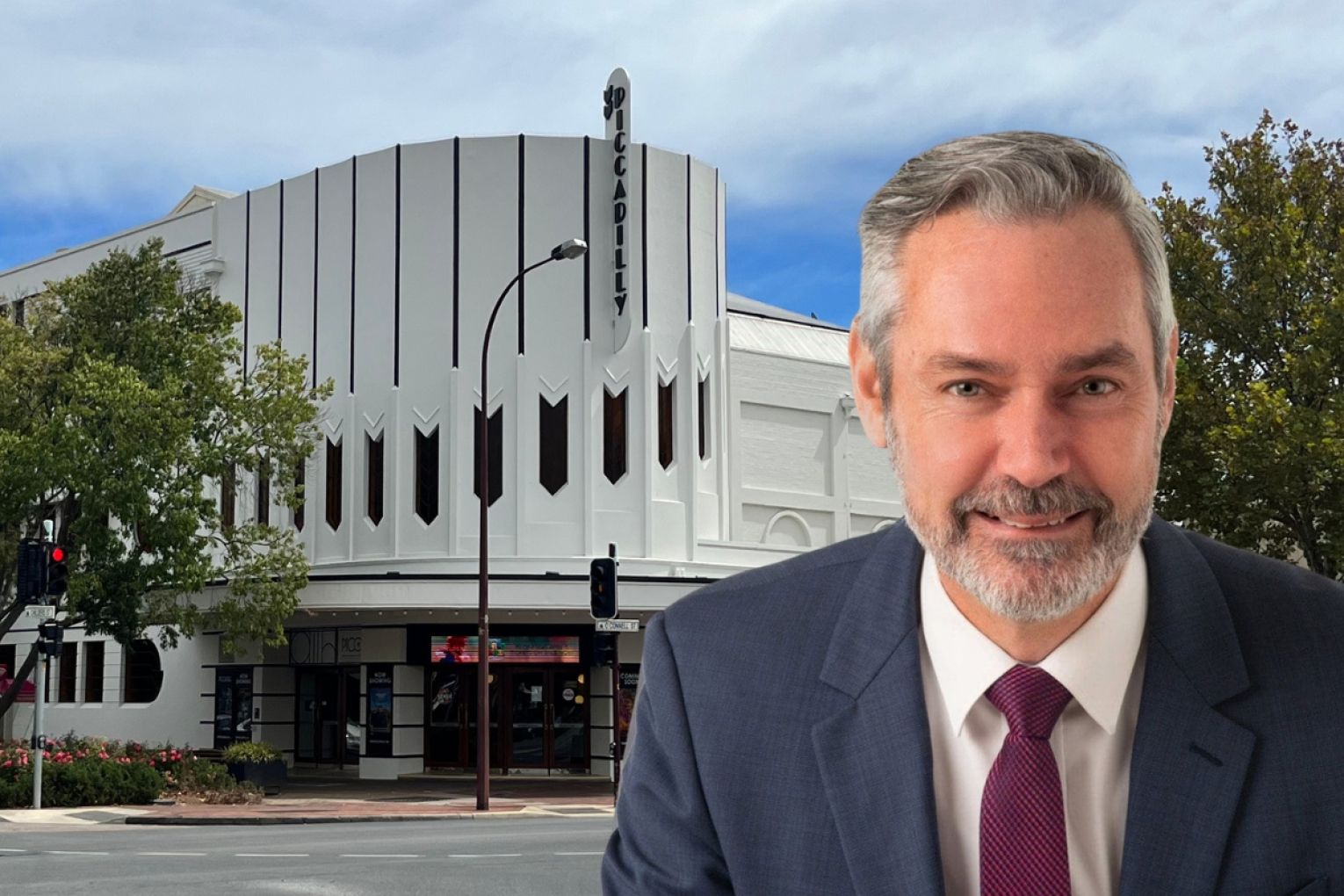
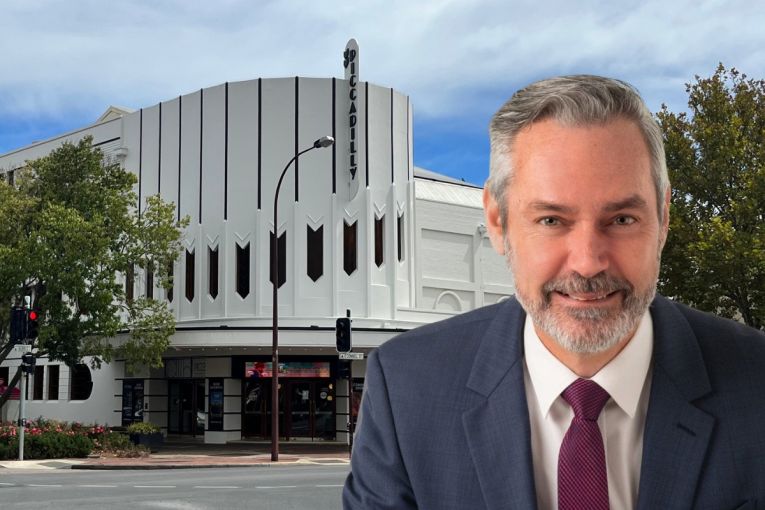
Art Deco and Modernism Society of Australia chair and Adelaide branch president David O’Loughlin said that the society was “surprised” but “open-minded” about the development revealed for The Piccadilly cinema in North Adelaide, adding that “the devil’s in the detail”.
O’Loughlin said the Piccadilly is one of the best examples of an Art Deco cinema in South Australia and was key to understanding the historical evolution of the state.
“These were, in their day, the predominant form of entertainment for the average person, for dating couples, for young families, for teenagers – they brought international news, fashion culture and stories of what was happening around the world right into people’s local communities,” he said.
O’Loughlin said, “it’s never the same, it’s never as good, and it’s never heritage”, when asked about repurposing heritage elements in new builds after Wallis Entertainment and Premier Peter Malinauskas unveiled plans this week for a major redevelopment of the State Heritage-listed cinema.
The plan included building a 16-storey residential development on top of the cinema, with the partial demolition of the building’s northern portion.
The upstairs cinema would be replicated, while an existing spiral staircase and Art Deco interiors would be retained. These included the mezzanine level and stained-glass windows.
You might like

Wallis Entertainment director Deanna Flynn Wallis told InDaily that “the proposed redevelopment has been carefully considered, with the preservation and celebration of The Piccadilly’s significant Art Deco heritage at the forefront of the design”.
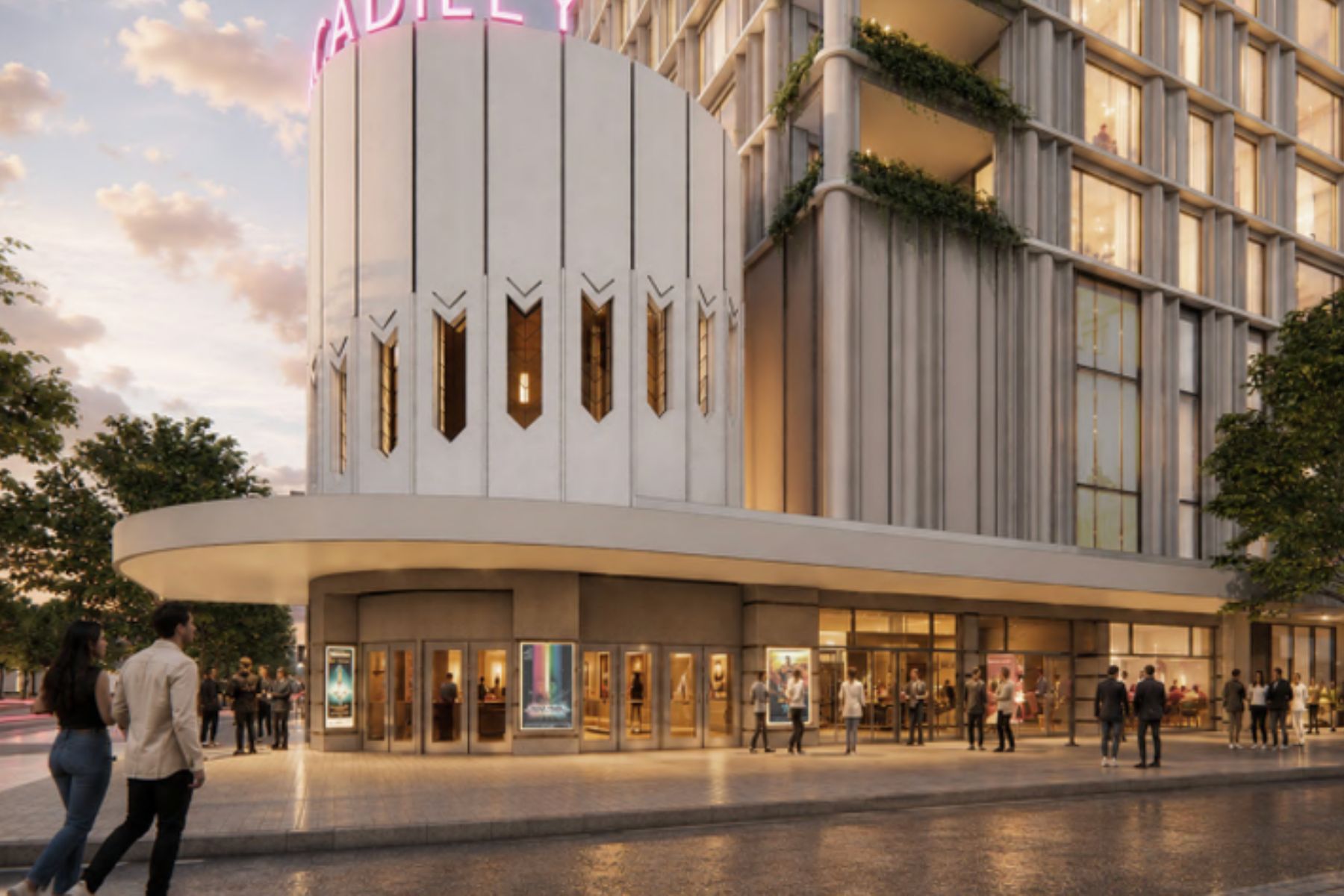
O’Loughlin responded to news that the upstairs cinema will be “replicated and reinstalled”.
Asked if they could reuse heritage elements from demolished sections in new construction, O’Loughlin said “it’s never the same, it’s never as good, and it’s never heritage”, adding that “it can be tokenistic”.
“It is not appropriate to say you’re retaining state heritage by removing all the elements, completely rebuilding the building, and then sticking all the elements back in,” he said.
O’Loughlin, who was previously the long-term mayor of Prospect and a driver of the transformation of its main thoroughfare, said the society would be meeting with the consultant team behind the development in the coming days, after which it would form a firm view on the proposal.
Stay informed, daily
“The key here is not to lose, at all, original building content and fabric as it exists currently,” he said.
“We do understand that heritage properties need good income in order to maintain them, and so we’re always open-minded about adaptive reuse.”
O’Loughlin hopes that heritage elements such as the bio box, the upper-level seating, the ladies’ powder room, and the ceiling and wall treatments would be retained.
“Mostly our focus will be on the retention of the state heritage items in the two-storey section, which is where, by far, the majority of the protected items are,” he said.
“The level one foyer is fabulous, as is the grand staircase, and we’d be very keen to make sure they both have a role in the future building, and they’re not marooned as forgotten spaces because they’re really quite beautiful.”
Wallis said the proposal also includes reinstating a replica of the original rooftop neon Piccadilly sign, as well as the retention and reuse of significant heritage elements, including original ceiling roses, handrails and light fittings, where possible.
The plans include refurbishing the cinema’s three theatres, first-floor lounge and function space, she said, with historic Art Deco design elements incorporated throughout the renewed cinema and arrival spaces.
“Our focus has always been on preserving The Piccadilly’s unique character and securing its long-term future as a cinema and entertainment destination,” Wallis said.
However, O’Loughlin said the society was not concerned about the downstairs cinema, which was dramatically altered in the 1980s.
“The key here is that the proposed tower goes largely over the section of the building, which was heavily compromised in the 80s, and so therefore, the main footprint of the apartment tower is largely outside of the state heritage-listed items,” he said.
Want to see more stories from InDaily SA in your Google search results?
- Click here to set InDaily SA as a preferred source.
- Tick the box next to "InDaily SA". That's it.