Profits rise but SA Water complaints overflow
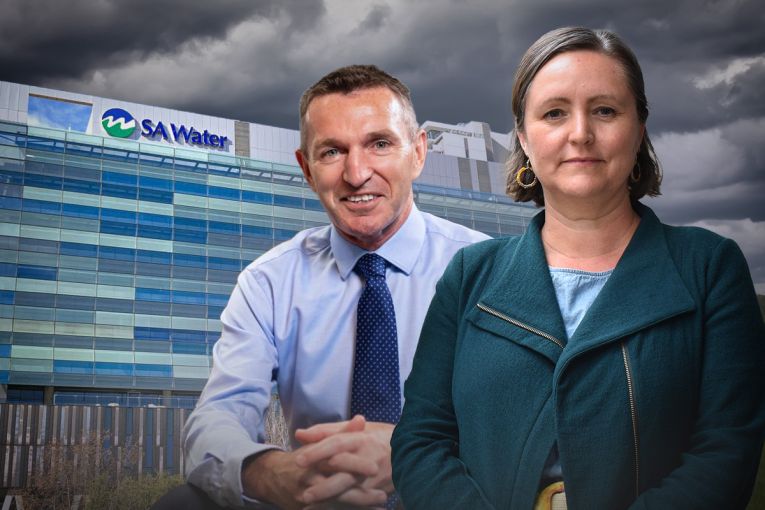
SA Water reports thousands of complaints from South Australians feeling the pinch from rising water bills while profits surge.
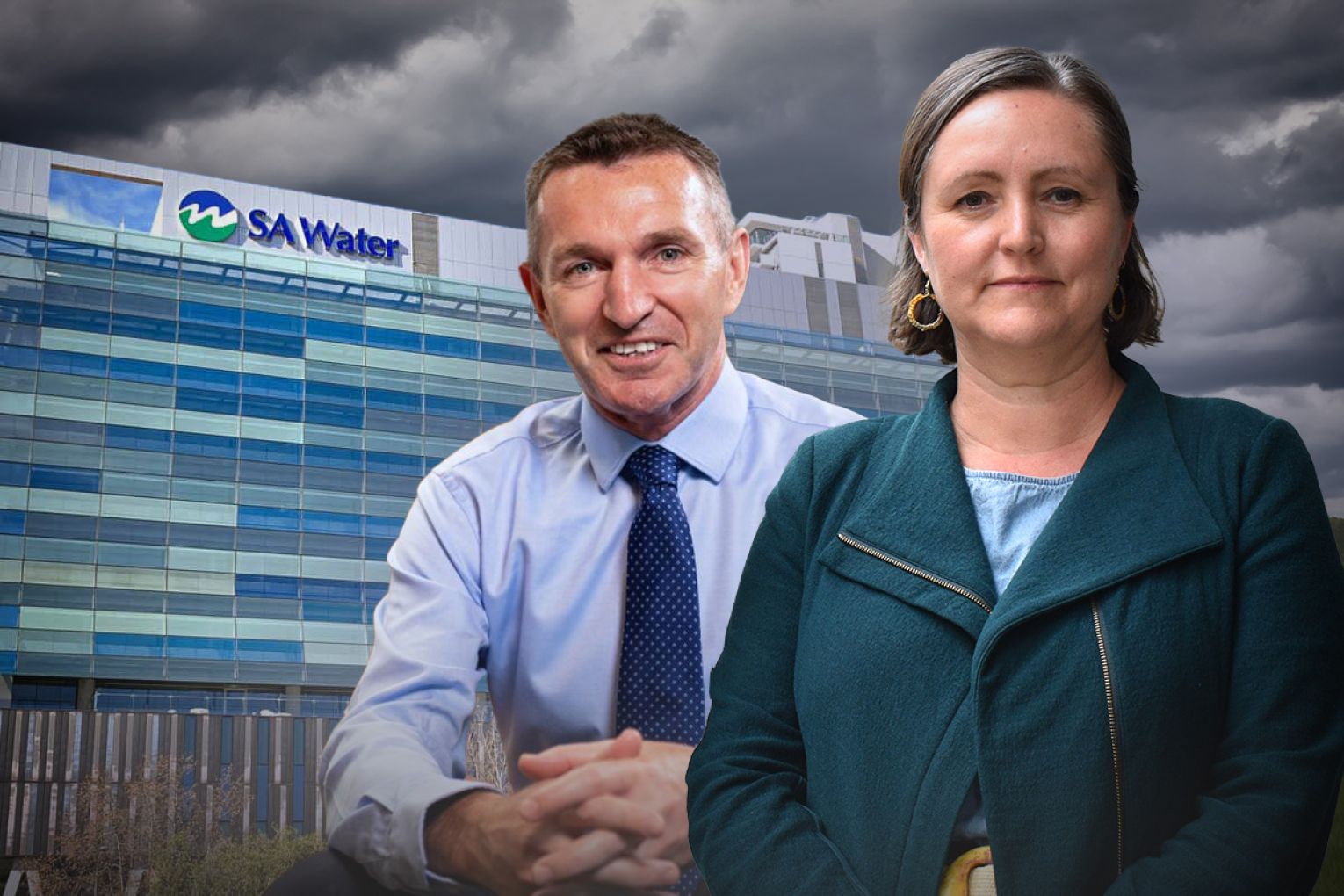
State-owned utility SA Water recorded 5515 complaints in the financial year ending June 2026, from households concerned about water quality and rising water bills.
According to an annual report tabled in parliament on Tuesday afternoon, the utility brought in a year-end profit of $248.7 million before tax – $58.7 million more than the previous year.
Meanwhile, the average metro household water bill rose by about $19 more each quarter due to a July 2025 bill hike of 3.5 per cent plus CPI.
The service received about 6.42 complaints per 1000 customers, up from 4.28 complaints per 1000 customers in the previous year.
Growing financial strain drove more disputes escalated to the state’s Energy and Water Ombudsman (EWOSA), with 358 complaints escalated in 2025-26, up from 297 the previous year.
“The most common issue raised with EWOSA continues to relate to costs associated with high water use, consistent with trends observed over the past 3 years,” the report said.
You might like
“We remain committed to reviewing and strengthening our processes, aligning with best practice, and enhancing the early identification and capture of complaints.”
Greens MLC Melanie Selwood said surging complaints “only shows how fed-up people are”.
“SA Water is making a huge profit meanwhile households are struggling with rising water bills in a cost-of-living crisis. It’s disgusting,” Selwood said.
“I constantly hear from people doing it tough. We could be passing on some meaningful relief, but instead we see these inflated profits.”
SA Water’s financials also took a $19.9 million hit due to outstanding water charges from Sanjeev Gupta’s OneSteel Manufacturing, which the state government plunged into administration in February 2025.
Complaints also included health concerns, which are deferred to SA Health.
Stay informed, daily
When multiple complaints are made in a similar area, they are clustered into health incidents, which also rose from three in 2024-25 to 12 in 2025-26 according to the report.
“Most of these complaints were from dirty water in metropolitan Adelaide or taste and odours in drinking water because of cyanobacteria blooms in source waters,” SA Health’s statement said.
“These complaints had aesthetic impacts only.”
SA Health reported that while its total number of reportable incidents from SA Water grew in the previous year, there was also a decrease in the reported incidents from potential contamination in surface water or network mains.
“SA Water continues to meet all requirements of the Safe Drinking Water Act 2011 including water quality monitoring, the notification and management of defined water quality incidents,” SA Health’s statement said.
SA Health most recently completed an independent audit against the Safe Drinking Water Act criteria in March 2026, according to the report.
Health-related chemical alerts, such as lead and manganese exceeding the recommended levels, also spiked from five to 26 in the last financial year.
The new figures come a week after an SA Water boss was pressed in parliament over reported drinking water with lead levels 46 times higher than national guidelines.
A family from Crystal Brook – a town about 29 kilometres from Port Pirie – raised the alarm over 1940s-era lead pipes they believe have turned their drinking water yellow, with contamination levels far exceeding national guidelines.
A letter seen by InDaily from SA Water confirmed the family’s water exceeded the “aesthetic guideline limits” of manganese and iron, with 1.48 milligrams per litre of iron recorded compared to the guideline of 0.3 milligrams per litre.
In a statement, an SA Water spokesperson said an initial water sample in August that showed the above-guideline metal levels was an “isolated incident likely caused by simultaneous flushing activity in the water main stirring up existing sediment within the pipe”.
SA Water said that “every water quality test of the main since this time – with testing currently undertaken on a weekly basis – has returned results showing the water meets the guidelines and is safe to drink”.
Want to see more stories from InDaily SA in your Google search results?
- Click here to set InDaily SA as a preferred source.
- Tick the box next to "InDaily SA". That's it.