Multimillion-dollar high-tech lab to expand SA research
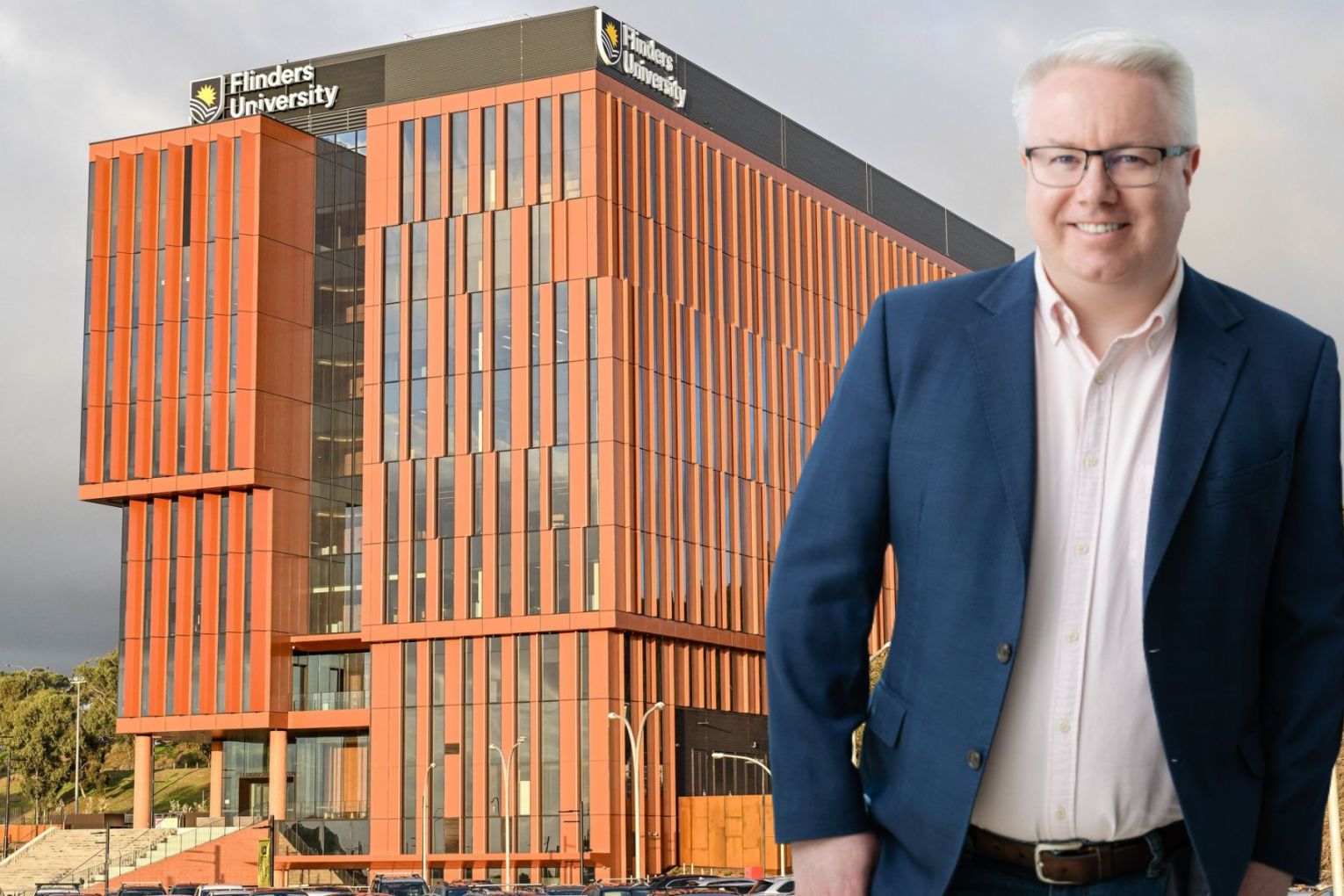
Flinders University is establishing a new $10 million genomics facility in partnership with the South Australian Genomics Centre (SAGC), Bioplatforms Australia, and Decode Science.
Founded in 2020, SAGC’s infrastructure has begun arriving at the Health and Medical Research Building and is expected to be fully operational around next March.
It will also expand SAGC’s existing facilities at SAHMRI.
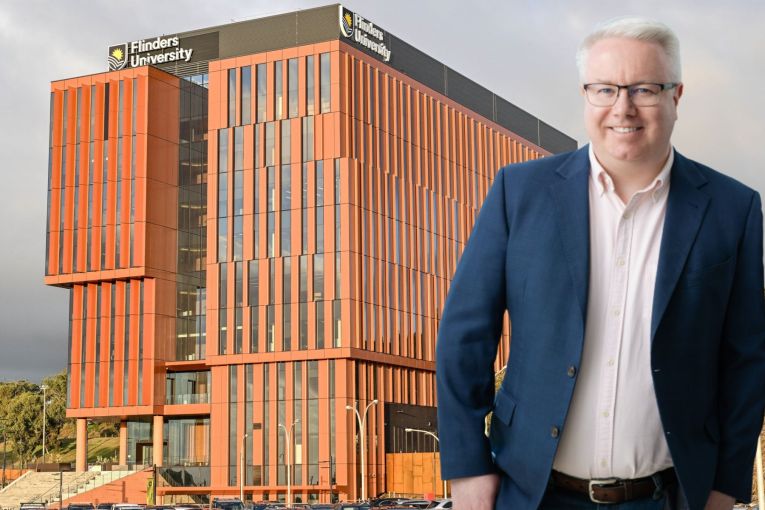
For SAGC Scientific Director and Flinders University Professor David Lynn, the facility is an “exciting development” that positions South Australia to play a leading role in genomics research.
Genomics — the study of the complete genetic information of people, plants, animals, and microorganisms — comprises about 100 subfields.
You might like


The team have used this area to study the devastating algal bloom and, during Covid-19, to sequence DNA and identify which virus strains were excreted into wastewater.
Genomics can also identify molecules expressed in cancer cells, helping researchers design vaccines.
“It’s a technology that’s used in many different areas, not only in health and biomedical research, but also in agriculture, in understanding crop resilience to challenges like drought or pests,” Lynn said.
For Lynn, automated lab technology is something to look forward to — a major leap beyond the manual, labour-intensive, and often slow processes staff use at each step of research.
Stay informed, daily
“With advanced robotics, we can automate much of the process, from sample intake to extraction, preparation, sequencing, and ultimately analysis,” he said.
The research team typically handles around 10,000 human genome equivalents annually, but the new system will boost this capacity by at least five to six times, reaching approximately 59,000 per year.
This change also means results will be more accurate, and costs will decrease because of the infrastructure investment.
“By analysing thousands of genomes efficiently and consistently, researchers will gain new opportunities to understand disease, improve food production and respond to environmental challenges,” Lynn said.
Another aspect of the lab involves emphasising sensitivity.
“As genomics becomes increasingly important to healthcare… researchers can have confidence that their samples and data will remain secure and be managed in Australia,” Flinders Health and Medical Research Institute Director Professor Billie Bonevski said.
For Lynn, introducing the Southern Hemisphere’s highest-throughput, lowest-cost genomics capabilities is a feat worth celebrating.
“[The lab] represents a significant new expansion of existing facilities, and the throughput at which we can support researchers, clinicians, and industry partners across the state and across the country,” he said.
“It’s going to have impacts across the economy. It’s going to dramatically accelerate research capability in the state, and it’s going to put South Australia on the map nationally and internationally as a leader in genomics.”
Want to see more stories from InDaily SA in your Google search results?
- Click here to set InDaily SA as a preferred source.
- Tick the box next to "InDaily SA". That's it.