SA uni’s surprise result amid international student spiral
National migration changes are hitting international student numbers with one Adelaide uni dealing with thousands of enrolment losses. But it’s not all bad.
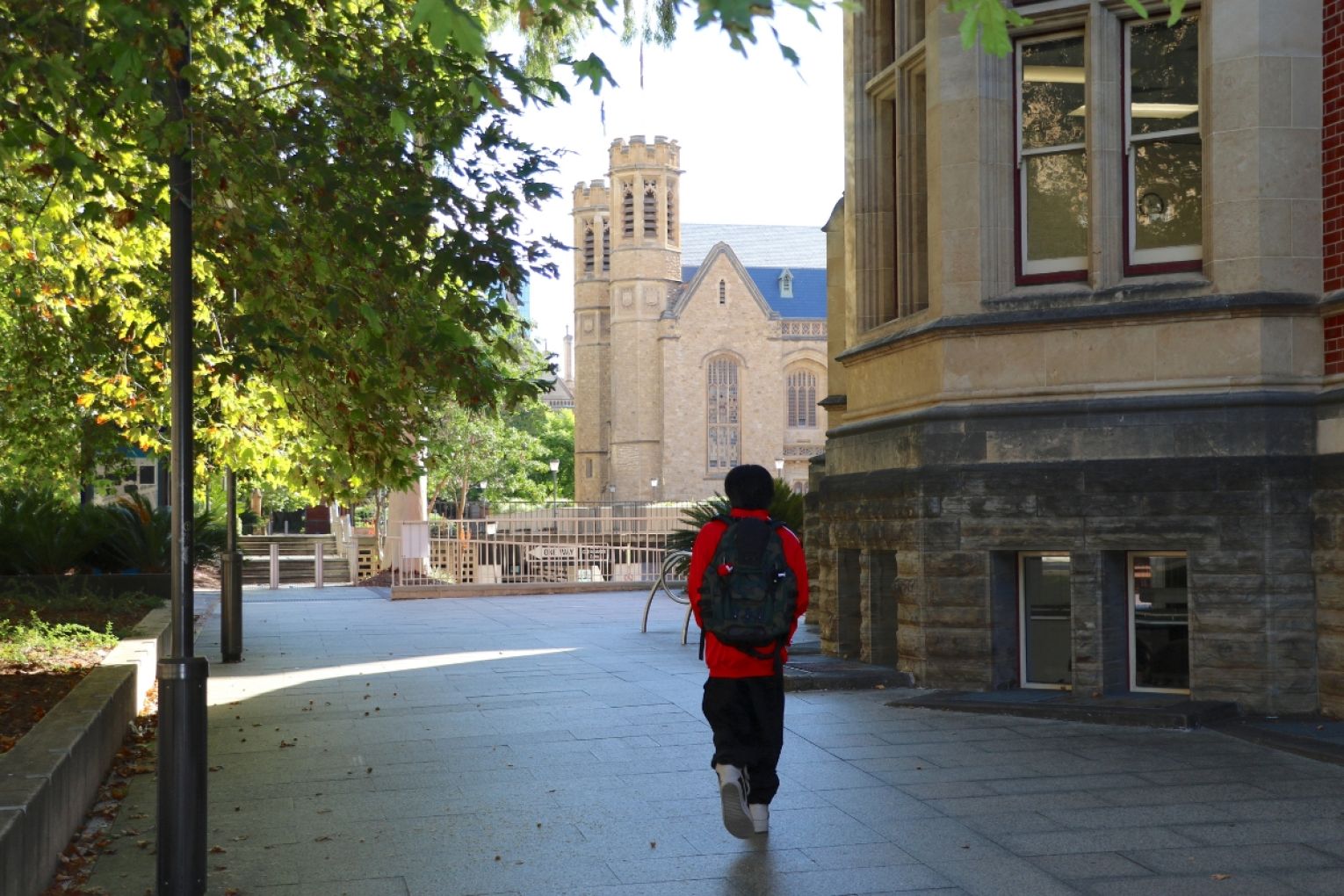
Flinders University is bucking a trend of declining international student enrolments, with its international onshore student enrolments increasing by 15 per cent year on year in 2026.
While the newly merged Adelaide University told InDaily it is about 4000 international students short of its targets and is “deeply worried” about the impacts of controversial migrant student visa changes.
Earlier this month, Home Affairs Minister Tony Burke announced policy changes to reduce net overseas migration, including a change that would stop international students from bringing dependents with them to Australia in the future.
The changes received swift criticism from some university sector leaders, including Universities Australia chief executive Luke Sheehy, who said Australia “should be competing for the world’s best students and the skills, investment and ideas they bring — not competing to see who can drive them away fastest”.
Adelaide University leaders have raised concerns about the impact of the national legislation, saying it currently has just over 16,600 international students enrolled compared to projections of having more than 20,000 in 2026.
“It is quite a significant gap from what we had initially targeted to where we are sitting,” Deputy Vice Chancellor Jessica Gallagher told InDaily.
It comes after InDaily revealed in June that the university projected a revenue shortfall of $90 million after new international students were about 40 per cent below target for semester one.
You might like

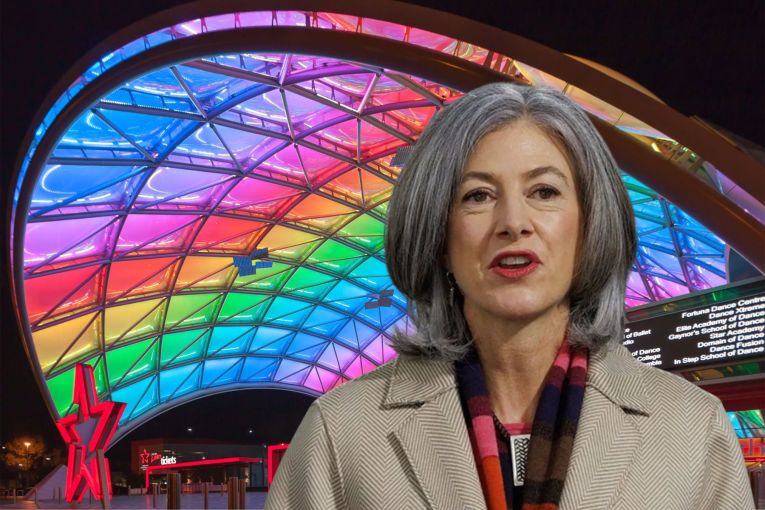
Gallagher says the decline in international students comes after fee hikes made Australia the most expensive place in the world for student visas; a challenge “not isolated to Adelaide University”.
According to the Australian Bureau of Statistics, new international students coming into Australia have declined by about eight per cent compared to the same time last year.
Between January and June 2026, 37,065 international students were studying in SA – a five per cent share of the country’s international students, according to the ABS.
It’s about 10,000 fewer than the total number of international students studying in SA in 2025. Current student levels are propped up by continuing students, rather than new arrivals.
But the figures do not appear to be impacting Flinders University.
“More students than ever are choosing to study at Flinders University,” Vice-Chancellor Professor Colin Stirling said in a response to questions over tougher student visa changes.
“We are pleased to see growing demand from both domestic and international students who recognise the quality of the education and experience we provide.
“International education is one of Australia’s greatest national assets. It enriches our campuses and communities, strengthens research, builds lasting global partnerships and helps address critical workforce shortages.”
Stay informed, daily
He did not comment on legislation tightening around student visas.
International education generates around $55 billion in export revenue each year and supports 250,000 jobs across the Australian economy, according to Universities Australia.
Gallagher said last year international education brought in more than $3 billion to SA and was “our second largest export”, but recent changes could threaten that.
Gallagher said that while Burke acknowledged the importance of international education, the changes would still “have damaging consequences for the international education sector, and by extension, then our society and our economy”.
She said the new rules could particularly impact students in South Asian countries like India, Bangladesh and Nepal, where students often come to Australia for postgraduate work, meaning “they typically are a little bit more mature in age, and at times will have dependents, so a spouse or children”.
“A broader narrative that is certainly permeating across key markets is around Australia not being as welcoming as it once was to international education,” Gallagher said.
Gallagher said a combination of student visa fees being hiked to $2500 in July, increased visa refusals, new rules for dependents announced last week and rhetoric about migrants and the housing crisis were all impacting Australia’s reputation overseas.
“Last year and the year before… there was a narrative that was connecting international students to the housing crisis, that was sort of the first wave and of course, in South Australia, we’ve had no issues with student accommodation,” she said.
“In fact, we’ve got vacancies in our purpose-built student accommodation.”
Last week, the state’s planning commission approved five more towers, including student accommodation projects. Meanwhile, student towers continue to rise behind the Crown & Anchor Hotel on Grenfell Street, behind Trinity Church on North Terrace and at the corner of North Terrace and Frome Street.
“More recently, there has been the narrative around overseas migration and the desire to reduce overseas migration, and so again, international education has been picked up as part of that conversation,” Gallagher said.
“It is a real concern, and I think that the current policy direction, we’re deeply worried by it because it is absolutely deterring talent from coming and supporting Australia’s productivity, Australia’s economic prosperity, and of course, opening doors to great talent to support our emerging sectors.”
Want to see more stories from InDaily SA in your Google search results?
- Click here to set InDaily SA as a preferred source.
- Tick the box next to "InDaily SA". That's it.