Former top public servant questions MotoGP economic benefits
A former department deputy chief wants more transparency around MotoGP calculations after personally crunching some numbers.
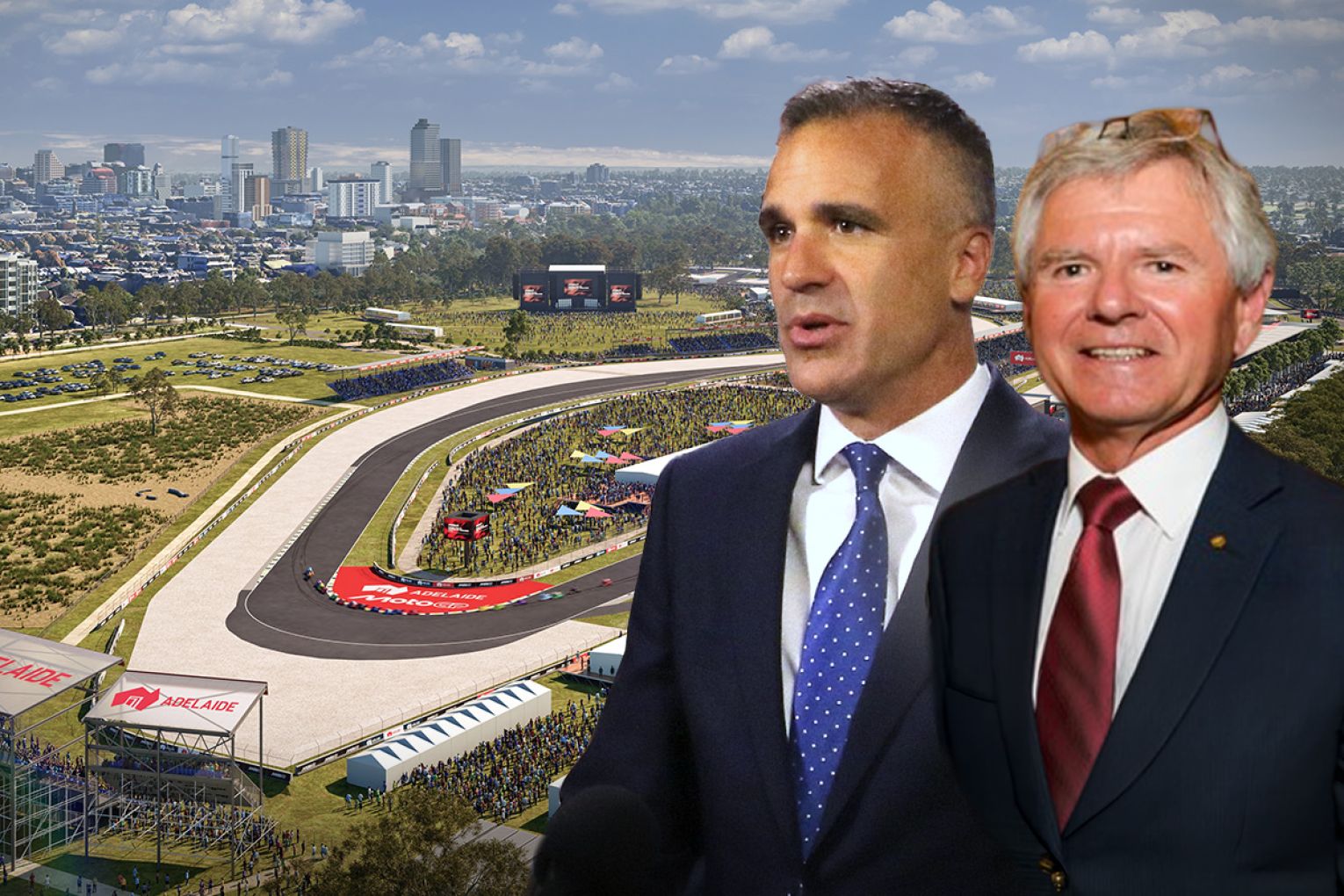
A former long-term senior public servant who served as deputy chief executive of the state’s transport department until his retirement in 2014 is claiming the state government has overestimated the economic benefit of the proposed MotoGP track build.
Speaking to InDaily, Andrew Milazzo – who in his 38-year policy career provided policy advice to six transport ministers, two ministers for road safety and the sole minister for transport services – claimed the government double-counted proposed expenditure and did not count the cost of road congestion.
But Milazzo, who was also chair of the association of Australian and New Zealand road transport and traffic authorities Austroads from 2012-2014, added that his 15-page report was just an “estimate” and based on publicly available information.
He hoped the report – ‘Is the MotoGP pain worth the gain?’ – would encourage the government to release further information about the economic impact of MotoGP.
Premier Peter Malinauskas unveiled the MotoGP track plans last month saying the project was expected to cost $96 million. It would lead to the world’s first MotoGP event to be held on a city street circuit in 2027 along with the Adelaide Grand Final Supercars event from 2027 and the Santos Tour Down Under Classic from 2028.
Malinauskas has previously said the event was expected to deliver the state a $200 million economic return per year. A Cost-Benefit Analysis was expected to be presented to the Public Works Committee, which reports to State Parliament, with the government having announced that work on track construction would start in December this year.
You might like

But Milazzo’s report claims “that figure is not a measure of the net economic benefit to SA and appears to include spending by South Australians, which would have occurred regardless of the event”.
He also claimed that the government estimate “appears to have double-counted on-track expenditure”, “omitted substantial costs… caused by congestion”, “omitted the costs of tree removal, relocation and replanting”, “not considered road safety impacts” and “ignored significant health impacts including increased ramping”.
His report estimates the annual taxpayer cost of the combined events at $90 million, while interstate and international visitors would contribute $80 million to the state.
Milazzo estimated congestion costs would be $40 million per year, and the resulting net economic cost would be around $50 million per year.
A state government spokesperson said the report was “produced by known critics of the project, contains significant inaccuracies based upon false assumptions and should not be relied upon”.
“As just one of many examples, the report incorrectly assumes major arterial routes like Bartels Road and Wakefield Road will not reopen between events, in direct contradiction to the evidence provided by government officials,” he said.
Stay informed, daily
“On this flawed analysis, the highly successful bp Adelaide Grand Final should not go ahead – with or without MotoGP.
“The state government looks forward to delivering this project which will deliver significant economic benefits to the city and state, as committed at the election.”
Milazzo called on the government for more transparency around the costs of the track build saying “estimates that I have done should not be regarded as a substitute for a comprehensive Cost-Benefit Analysis. Rather, they demonstrate why one is necessary”.
“The government should provide its citizens an opportunity to consider and question a full and proper Cost-Benefit Analysis,” he said.
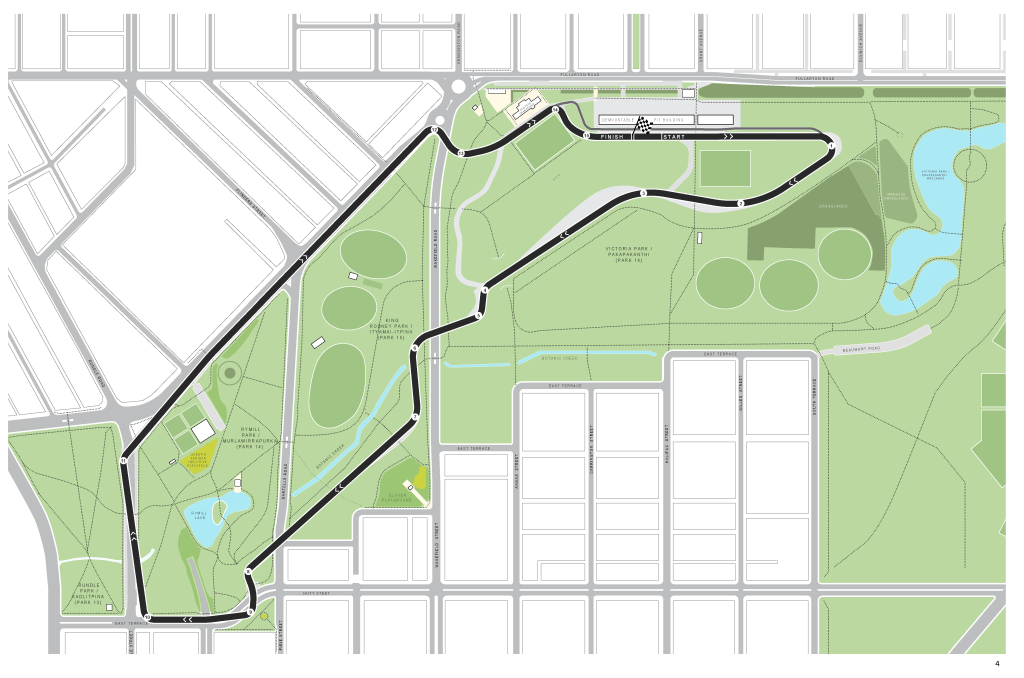
The new track would require the removal of 377 trees, with the state government saying there were currently 8895 trees in the circuit precinct and 95 per cent would remain “untouched” by the development.
A $15 million Adelaide Park Lands Nature Positive Package has been announced to be delivered alongside the project.
Greens MLC Robert Simms told InDaily that the “government needs to be transparent with the people of South Australia and release a full Cost-Benefit Analysis”.
“I think a lot of people in the community will be concerned that the juice isn’t worth the squeeze here,” he said.
“It’s a huge investment… and meanwhile we’ve got other priorities that I think are more pressing; people sleeping on the street, we’ve got a health system that continues to surge out of control.”

Want to see more stories from InDaily SA in your Google search results?
- Click here to set InDaily SA as a preferred source.
- Tick the box next to "InDaily SA". That's it.