‘Do your parents check your phone?’: SA study reveals escalating grooming messages
The huge number of children receiving “covert” grooming-related messages from strangers online are revealed in a new Adelaide University study.
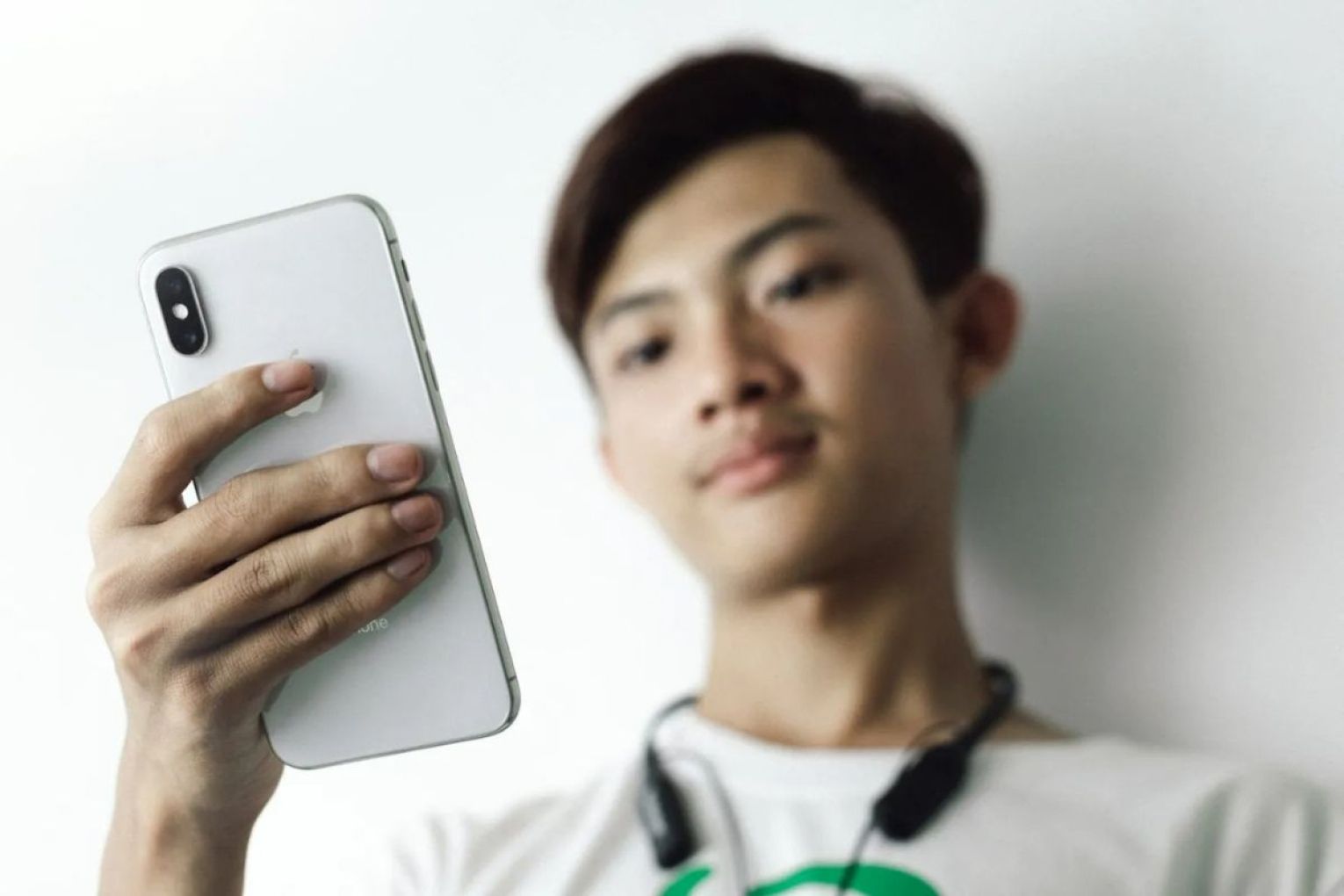
“Do your parents check your phone?”, “we have so much in common” and eventually, “send me a photo” – 66 per cent of Australian children have received grooming-related messages like these from a stranger online, according to a new Adelaide University study.
And one-third of children surveyed reported receiving direct requests for sexual information or interactions, according to the new research released today.
The study surveyed about 300 Australian children aged 10 to 17 and found rates of grooming-related messages had more than doubled since older studies, where rates ranged from five per cent to 30 per cent.
These new findings come as Premier Peter Malinauskas and Education Minister Lucy Hood spruik the ‘Wait Mate’ program in primary schools today, urging parents to sign the pledge to keep kids off screens and delay giving children mobile phones.
Adelaide University lead researcher Dr Katie Logos said the study uncovered messages children were receiving that groomers used as a “risk assessment strategy”.
“Within that, they might ask, how often are your parents monitoring your accounts, or have you spoken to anyone about me? Things like that, trying to get a sense of how likely they’ll get caught,” Logos said.
You might like

She said other messages were relationship-building strategies, like asking about what they have in common, and later messages would “start to ask for things like photos, or asking about sexual experiences, and sexualising the conversation a little bit more, maybe making a request to meet up or for the child to send them images or videos of themselves”.
Children surveyed were asked whether they had received these types of messages, and how it made them feel, most saying it made them feel “neutral”, Logos said.
“The way that grooming works is they’re quite covert strategies, so it’s not seemingly meant to be uncomfortable or aggressive or explicit,” Logos said.
“Whether or not they [the children] are feeling neutral is because they’re not realising that it’s grooming; we can’t be sure about that in this study”.
Researchers found children were just as likely to receive these messages whether or not they had privacy settings applied on their messaging apps, social media or gaming forums.
“Privacy settings and parental mediation is really, really important, and they are effective strategies but it seems like it might only be effective to a point,” Logos said.
Stay informed, daily
“Because these things are quite covert, they might slip through.”
The survey was conducted in November to December 2024, before Australia’s social media ban – spearheaded by the South Australian government – which came into effect in December 2025.
A July report from Australia’s online watchdog, the eSafety Commissioner, found more than 80 per cent of children were still using an age-restricted platform, such as Instagram, TikTok or Snapchat, three months after the social media ban took effect.
“This is still important work because we know that young people are engaging in those platforms, and if they are, then they’re probably likely going to receive some of these messages,” Logos said.
“It’s important to think about that, we still need to educate them how to identify and navigate these platforms safely. We can’t assume that they’re not using them.”
Meanwhile, from term three this year, SA primary schools can get new support in encouraging parents to hold off on giving their kids smartphones with a program called Wait Mate.
Premier Peter Malinauskas and Education Minister Lucy Hood joined Wait Mate SA Director Emily Harrison at Paringa Park Primary School this morning to spruik the program, which asks parents to sign an online pledge to delay giving their kids smartphones.
The program is backed by $6.5 million in taxpayer dollars in a bid to tackle other data showing students were at higher risk of being depressed, obese or being cyberbullied if they had smartphones earlier.
Hood has already signed the pledge to delay giving her own two children smartphones until Year 8, along with around 1600 other families from 227 SA schools. Her children are aged ten and seven years old.
Want to see more stories from InDaily SA in your Google search results?
- Click here to set InDaily SA as a preferred source.
- Tick the box next to "InDaily SA". That's it.