First vaccinations to be rolled out for SA threatened species
Threatened birds are being captured and vaccinated in a bid to protect those most at risk from bird flu.
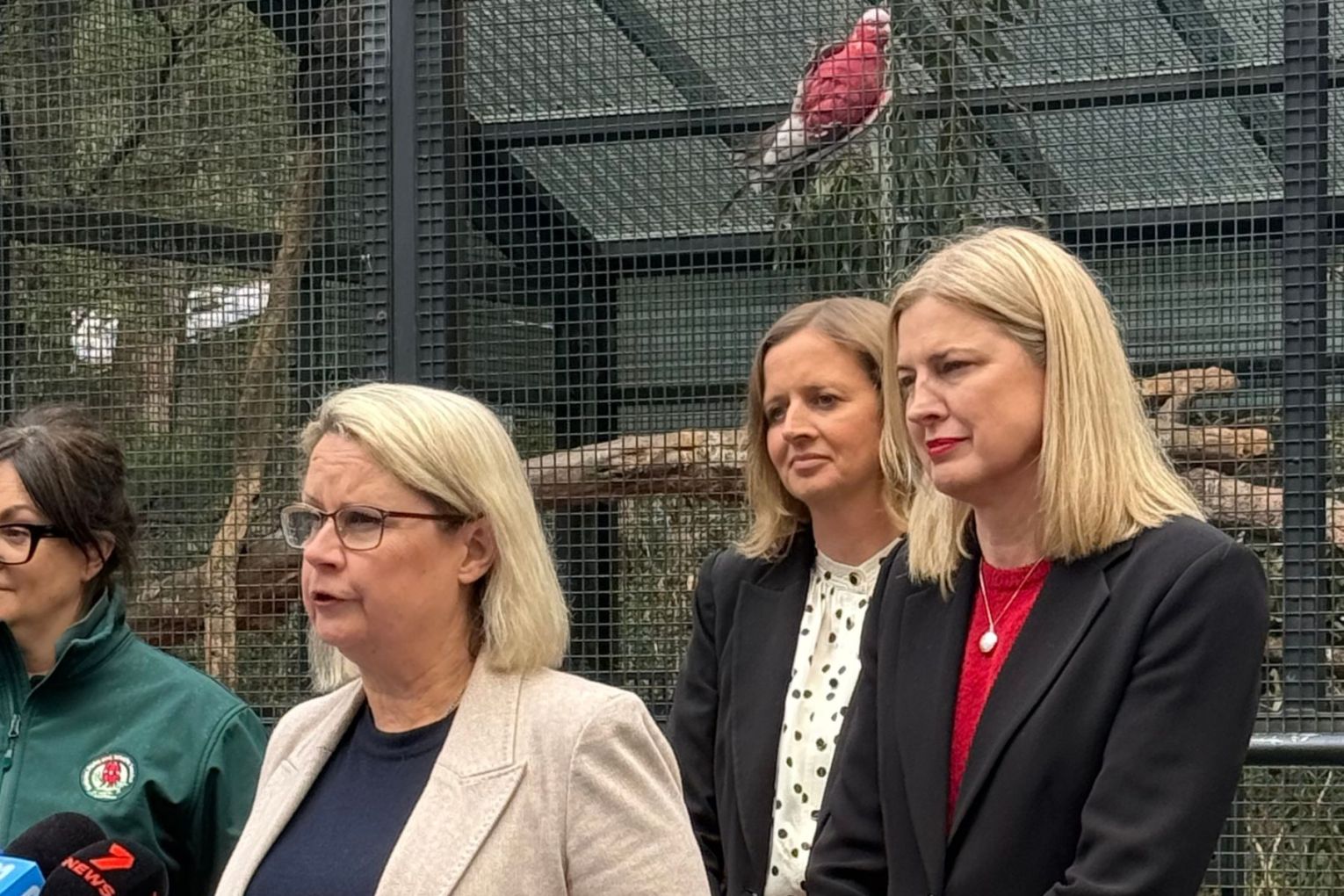
Cleland Wildlife Park has been picked to start a vaccination programme for some of the state’s critically endangered species as the state government steps up its response to the H5 bird flu.
Environment Minister Emily Bourke said orange-bellied parrots, regent honeyeaters, magpie geese, pelicans and red-tailed black cockatoos are among 30 different species being targeted.
“Vaccinating wildlife is challenging because the bird flu vaccine requires multiple doses, making it difficult to catch the same bird twice, however, Cleland Wildlife Park provides an environment where successful vaccination of captive birds is achievable,” Bourke said.

“Whilst we know there is no one single action that can prevent the spread of H5 bird flu, it is hoped that vaccination, combined with our strong biosecurity measures and resilience-building preparedness, we can give these species the best chance possible.”
There would be up to 100 native birds vaccinated following regulatory requirements including priority species for vaccination, the conservation status and value of the species, the likelihood of catching bird flu, and whether vaccination can be delivered safely and effectively.
You might like
There remain no H5 bird flu detections in poultry or other livestock. The risk to human health of H5 bird flu remains low.
Earlier this week, a long-nosed fur seal on the Limestone Coast in South Australia tested positive for the H5 bird flu and a second seal discovered on Kangaroo Island was being treated as a suspect case.
Primary Industries Minister Clare Scriven said protecting vulnerable native species was a priority.
“By vaccinating priority species at Cleland Wildlife Park, we are taking a proactive, evidence-based approach to help conserve some of our most valued and at-risk native birds,” she said.
South Australians are encouraged to continue being vigilant in reporting sick and dead birds and other wildlife. Avoid touching sick or dead birds and other wildlife. Record what you see. Report it to the Emergency Animal Disease Hotline on 1800 675 888.
For the latest updates, information and advice about H5 bird flu in South Australia visit birdflu.sa.gov.au.
Want to see more stories from InDaily SA in your Google search results?
- Click here to set InDaily SA as a preferred source.
- Tick the box next to "InDaily SA". That's it.