Asbestos detected at popular Adelaide beach
Immediate safety warnings have been issued to beachgoers at a popular southern suburbs beach after harmful asbestos was found.
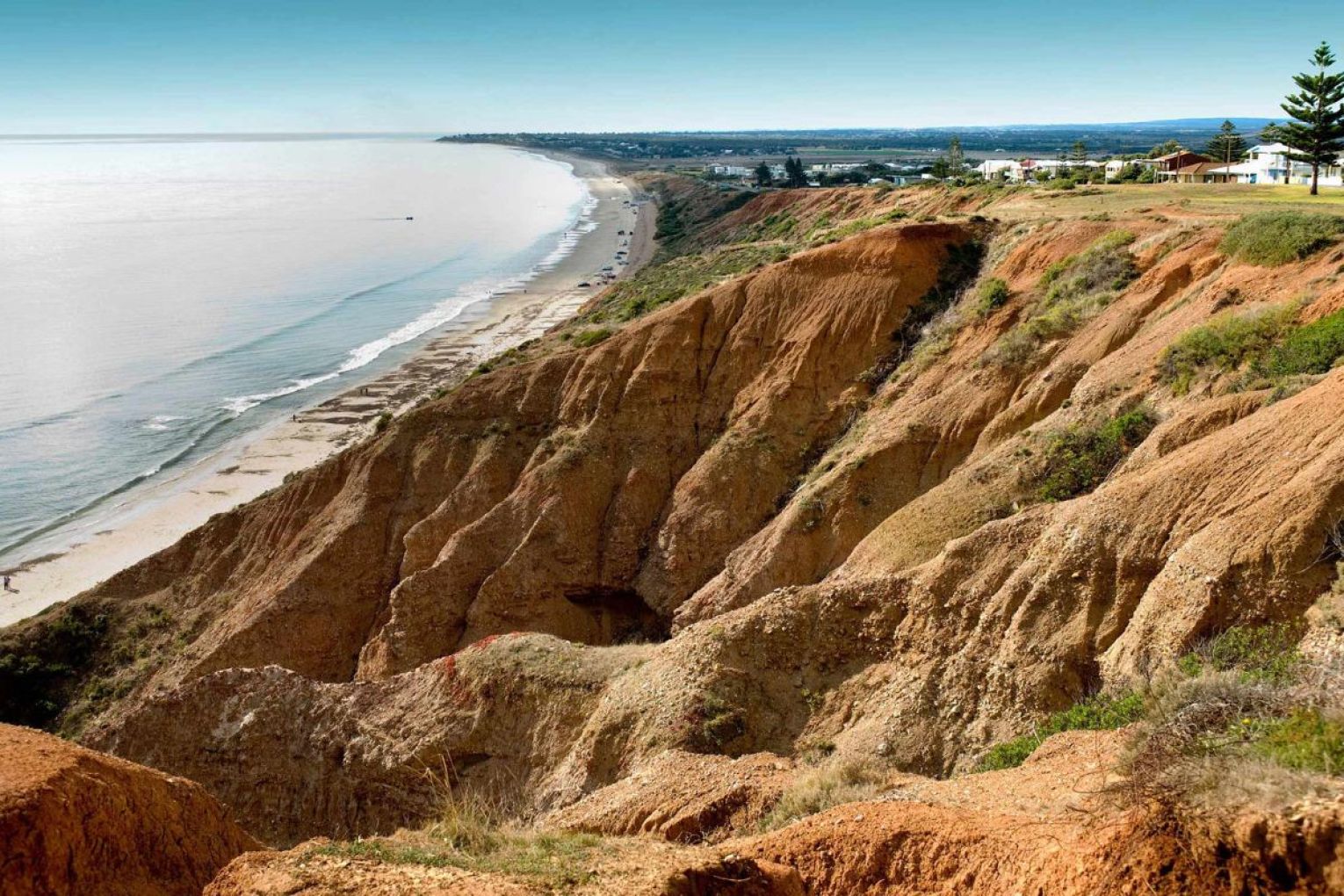
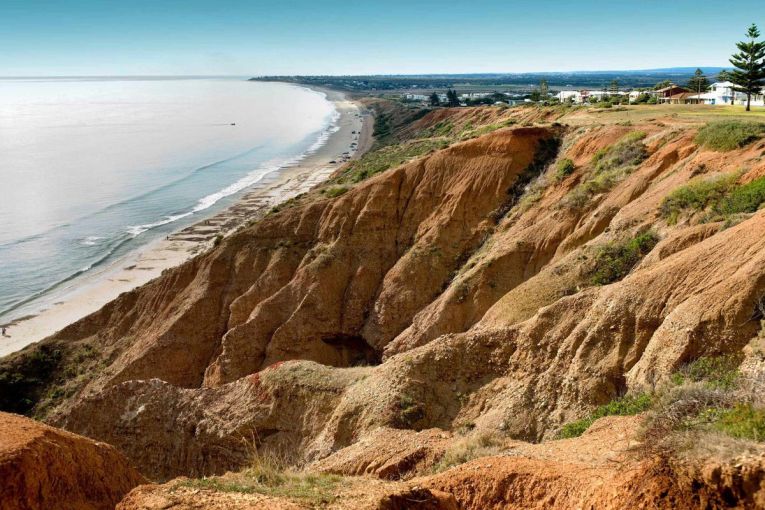
Onkaparinga City Council has confirmed asbestos-containing materials (ACM) have been detected at the fisherman’s caves on Seaford beach following a SafeWork SA investigation.
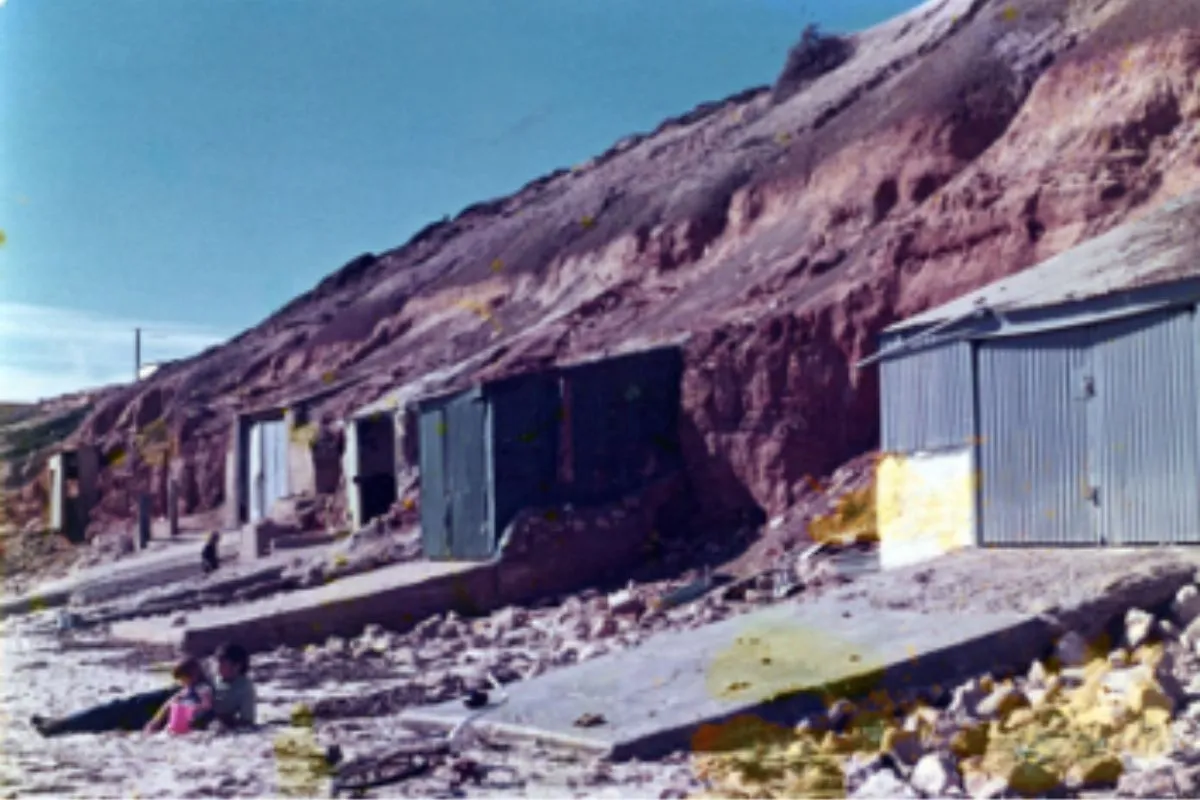
The Seaford caves formerly housed several structures built in the 1960s including shelters, ramps and other structures made from a variety of materials including concrete and corrugated metals.
Caves were hand carved and used by fishermen to store boats, nets and heavy fishing equipment, protecting them from tides and weather.
Onkaparinga Council director of operations Matt Buckell told InDaily it was safe for people to still visit Seaford beach, but said it was “never safe to enter the manmade caves or stand near the cliff base” due to a collapsing risk.
“ACM can present a health risk when asbestos fibres become airborne and are inhaled, but the presence of ACM does not, by itself, establish that a person has been exposed,” Buckell said.
You might like

“There are similar sites on our coastline – including in Aldinga, Port Noarlunga and Sellicks Beach – where historic shacks were built and then demolished, with materials appearing from time to time due to ongoing coastal erosion.”
An Onkaparinga Council report said it “was not previously aware” of ACM at the Seaford location, which will now be added to a Contaminated Land Register.
“SafeWork SA contacted Council on 21 September 2026 following an inspection of the area and advised that ACM may be present,” the report said.
“Council engaged an independent asbestos specialist to inspect the site and undertake sampling. The investigation, completed on 25 September, confirmed the presence of ACM.
Stay informed, daily
“The site already had signage advising people not to enter the former caves. Additional signage warning of the presence of asbestos has now been installed.”
The collection of materials and airborne fibre monitoring commenced on Tuesday, with visitors urged to avoid the fisherman’s caves.
Contact with the material can lead to asbestos-related diseases, including mesothelioma, asbestos-related lung cancer, asbestosis and pleural disease, which causes about 4000 deaths a year in Australia. However, single and incidental exposure to asbestos poses a very low risk for developing asbestosis or other related diseases.
Similar fisherman’s caves were created elsewhere along the Fleurieu Peninsula, most notably at Port Willunga.
In May last year, exposed asbestos sheets at an Aldinga Beach coastal reserve were detected following a heavy storm, believed to be from beach shacks demolished and illegally dumped in the 1960s.
Buckell said that known contaminated sites were managed with periodic collection from council staff and has advised the materials pose a “low risk if left undisturbed”.
“Attempting to dig for buried asbestos would involve a lot of guesswork, and risk damaging culturally and environmentally sensitive areas of the coast, as well as uprooting vegetation and damaging infrastructure,” he said.
The use, manufacturing, importing and sale of all forms of asbestos has been totally banned in SA and Australia since 2003. Despite the ban, detections of asbestos are still prominent across the state due to its wide use on residential and commercial properties up until the mid-1980s.
Australia was one of the highest users of asbestos per capita due to its high temperature and fire resistance and effectiveness as an insulator.
According to Safework SA, the state’s official workplace health and safety (WHS) regulator, the number of notifications of asbestos in 2024 was up 57 per cent from 2019 to 5848 with a total of 642,666 square metres of asbestos removed. More than half of the asbestos removed in 2024 was from residential properties.
Want to see more stories from InDaily SA in your Google search results?
- Click here to set InDaily SA as a preferred source.
- Tick the box next to "InDaily SA". That's it.