Frontline officers in KI to investigate bird flu vaccines
A second suspect case of bird flu in a seal has been revealed as a top public servant says an important decision to protect animals across the state could be made today.
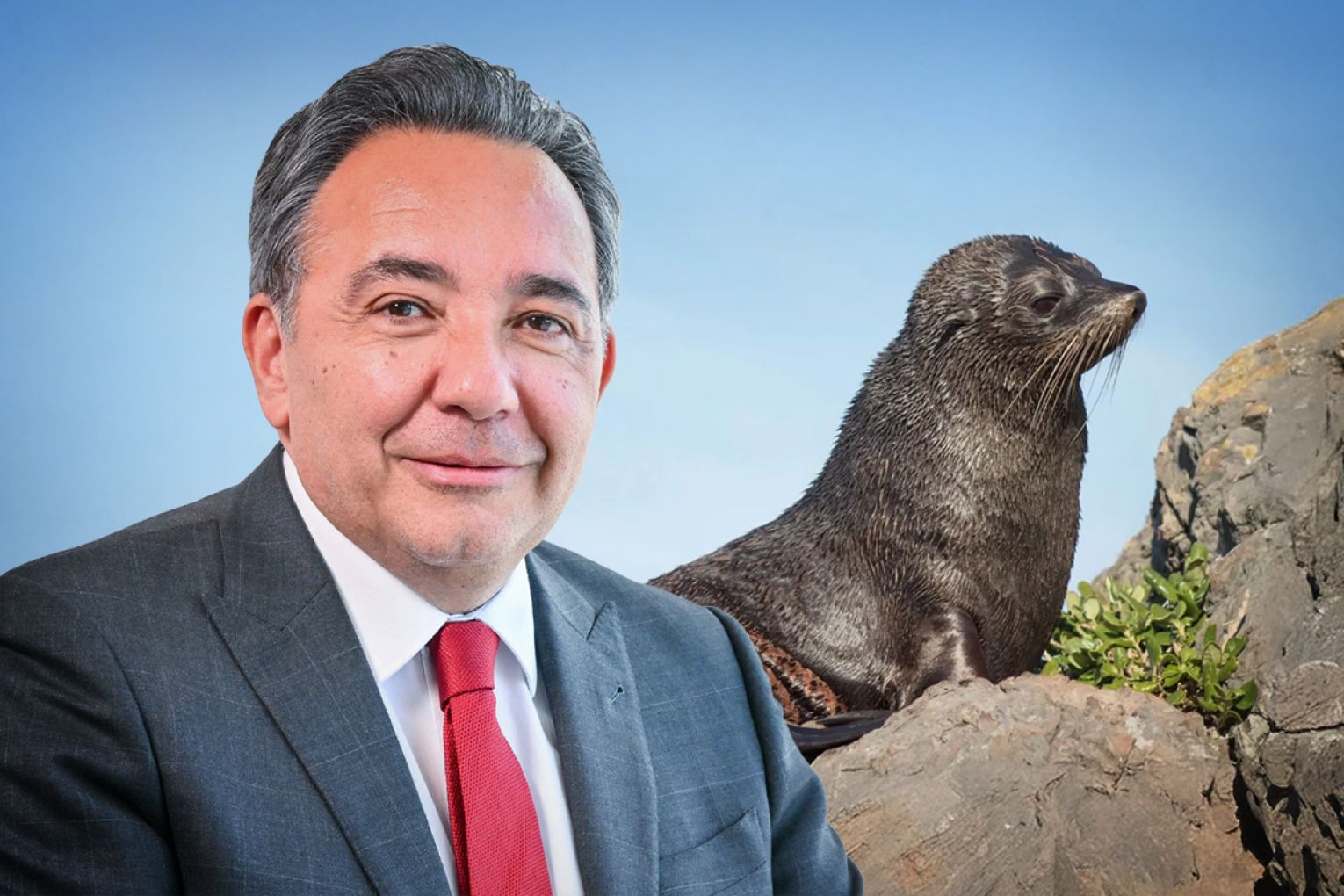
A long-nosed fur seal on the Limestone Coast in South Australia has tested positive for the H5 bird flu, authorities confirmed on Sunday. A second seal discovered on Kangaroo Island was being treated as a suspect case.
The CSIRO’s Australian Centre for Disease Preparedness (ACDP) on Sunday confirmed the long-nosed fur seal had been found dead at Beachport, after contracting the virus, one of 11 new cases detected across the state since the last update on Saturday.
Senior public servants from the Department of Primary Industries fronted a Budget and Finance Committee this morning, sharing the state’s response to “significant and complex” events such as bird flu and the harmful algal bloom.
Professor Mehdi Doroudi, who is chief executive of the Department of Primary Industries and Regions, said officers were on Kangaroo Island today to make sure penguins are accessible for vaccines.
“Hopefully after today [we] have a better indication of how we can go with that,” he said.
You might like


The news comes as a world-leading push to vaccinate penguins on Phillip Island against an outbreak of bird flu gets under way.
South Australia’s chief veterinary officer Skye Fruean this morning said that in addition to the one confirmed case, there was also one suspect case of bird flu in a seal from The Pages Conservation Park.
Fruean said PIRSA was still waiting for analysis of the confirmed seal case, but “there isn’t any evidence that it was spreading from seal to seal” in impacted animals in Antarctica.
“They were actually just getting it from either birds directly or from the environment,” she said.
Stay informed, daily
Fruean said it had not changed the government’s assessment of risks to other animals, including household pets and poultry, or the adoption of extra biosecurity measures.
“We’ll continue to monitor the situation, but we’re not intervening in terms of trying to manage the spread – we can’t manage the spread in wild animals,” she said, adding that “biosecurity is the best prevention for household pets”.
Asked if the government would vaccinate mammals, Fruean said there was a vaccination in the works for mammals in the US but that it was not commercially available.
She said any vaccination program targeting vulnerable and wild animals would be coordinated nationally.
Fruean also confirmed there was a carcass management plan for seals and sealions, with a preferred option being to leave the dead animals on the beach, with other options on commonly frequented beaches being deep burial or composting.
Doroudi said PIRSA was the control agency for the management plan, with rangers and officers collecting the carcasses, adding that PIRSA now had a dedicated team to respond to the bird flu.
SARDI executive director Mike Steer told the committee that the $3.2 million Office for Algal Bloom Research is up and running, with seven “significant” staff appointments, including a molecular technologist, an oceanographic modeller, climate change modeller, and algal and phytoplankton taxonomist.
“Our capacity within the office will enable the integration of algal bloom science, undertake vital long-term research into the formation, spread and impact of our global events and foster national and international collaborations,” he said.
Want to see more stories from InDaily SA in your Google search results?
- Click here to set InDaily SA as a preferred source.
- Tick the box next to "InDaily SA". That's it.