Record low giant cuttlefish numbers as research ramps up
Adelaide University researchers are being brought in to save Giant Australian Cuttlefish with the harmful algal bloom expected to be a key factor in record low numbers.
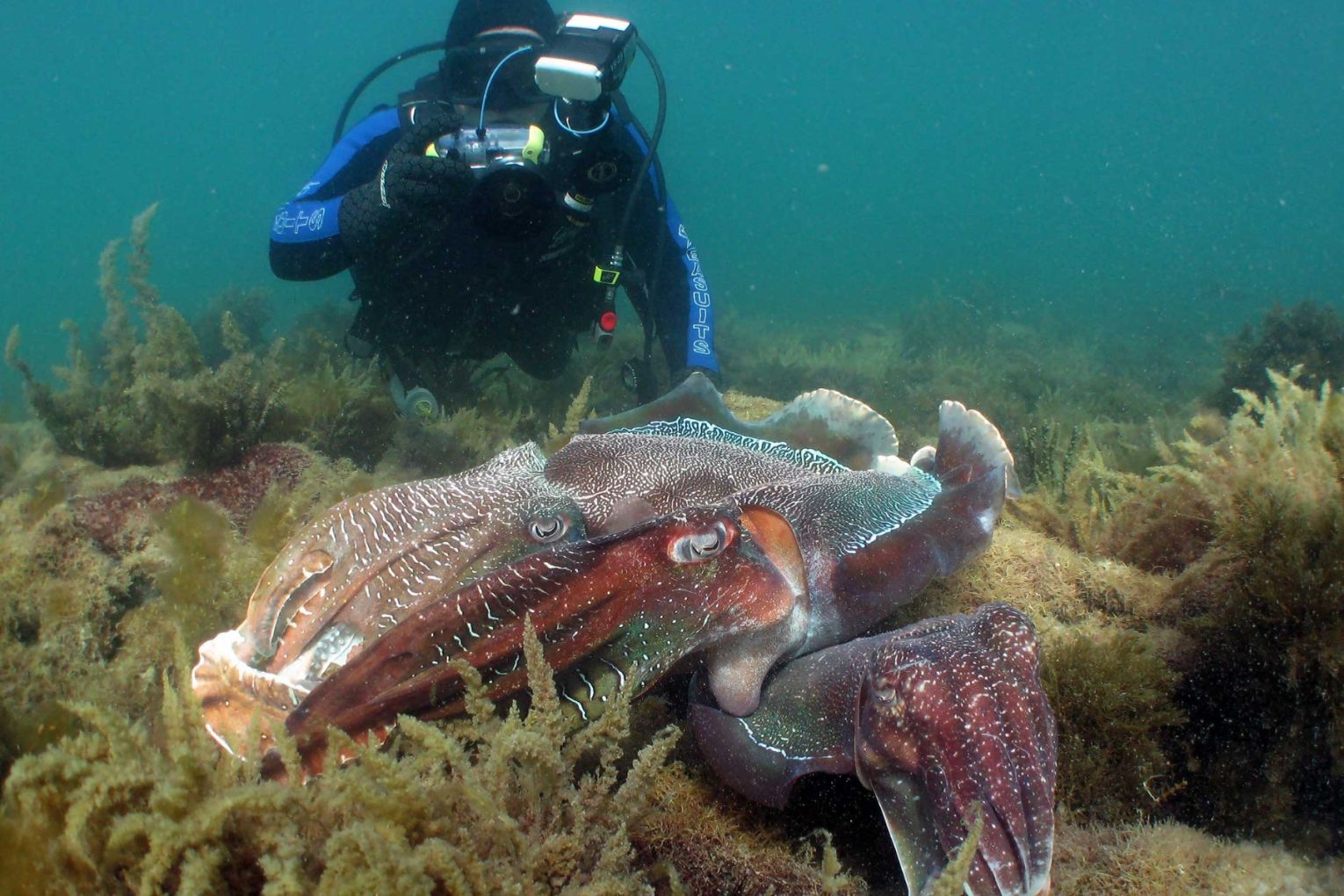
The state government and Adelaide University are collaborating to expand monitoring and research and “better understand” Giant Australian Cuttlefish after a “significant reduction” in the number of individuals gathering at Point Lowly for this year’s breeding season.
Date this year showed a record low of 1811 individual cuttlefish gather for the spectacular mating ritual, leading to significant concern from the state government.
According to South Australian Research and Development Institute (SARDI) surveys, which began in 1998, numbers of cuttlefish fluctuate significantly from year to year, with a high of 247,000 in 2020 and a low of 13,500 in 2013.
“The numbers are significantly low and are concerning,” Environment Minister Emily Bourke said, adding that so far, two tourism operators impacted by the reduction had successfully applied for government support grants.
“The government has made it very clear that we see this as a priority to be able to protect this unique species in our waters … It is something that many people talk about in South Australia as unique for good reason – it’s the only place in the world where our giant cuttlefish come to one location for breeding.”
The research would see how populations respond to changes in temperature, environmental conditions and the harmful algal bloom, as well as understanding of the life history of cuttlefish.
You might like


Priorities included updating modelling to better estimate population size and variability, as well as assessing extinction risk and guiding the long-term management and conservation of the Cuttlefish Coast Sanctuary Zone.
Cuttlebones would also be collected for Adelaide University researchers to analyse breeding age and identify whether the population includes two distinct age groups.
Meanwhile, an improved understanding of the cuttlefish population’s vulnerability would help fisheries, tourism operators, Whyalla City Council and government agencies to plan for future seasons.
The project, which will last until 2028, is funded through the state and federal governments’ $165 million investment for its algal bloom response and recovery measures.
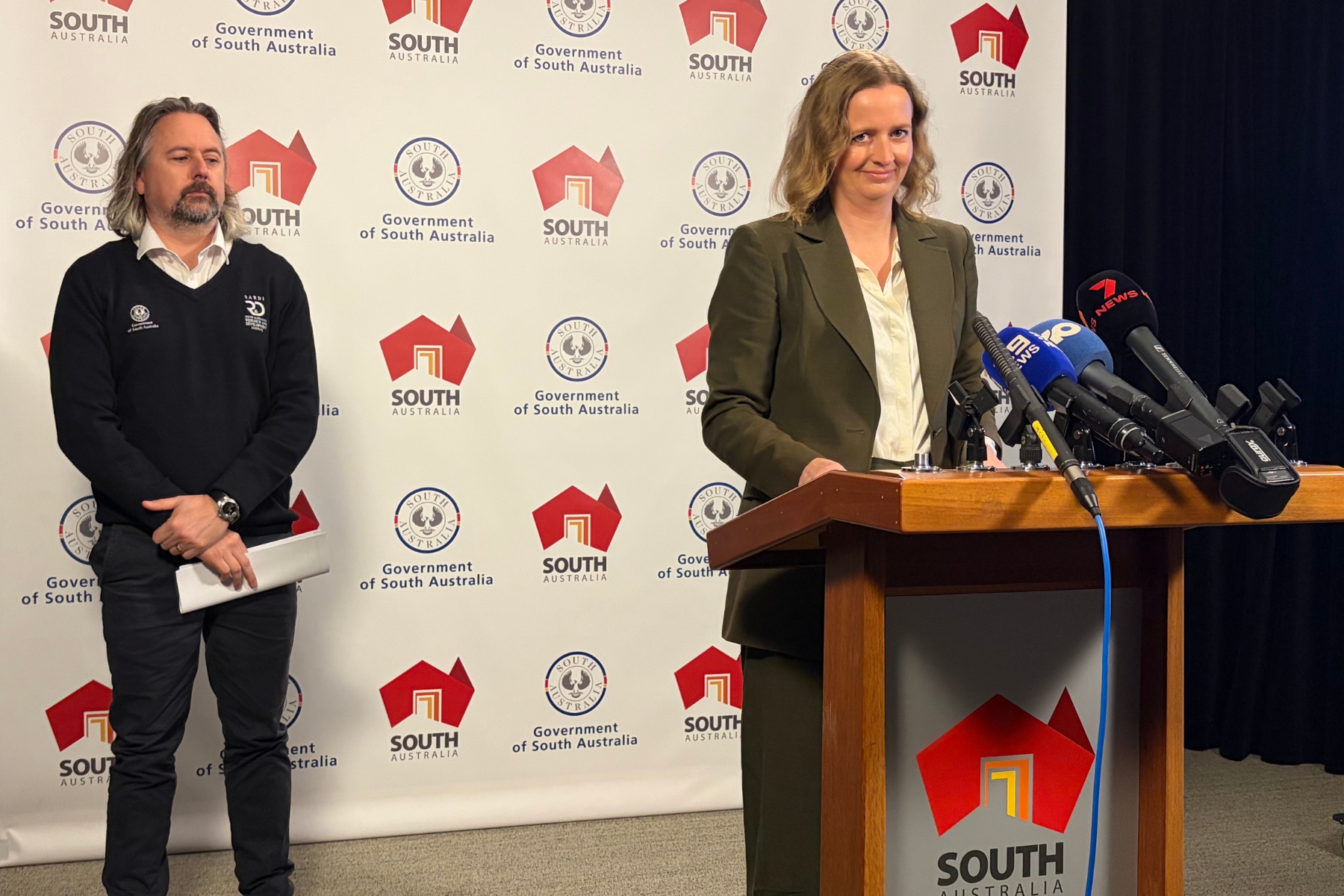
SARDI executive director Professor Mike Steer said that as giant cuttlefish reach the end of their breeding season, it has become clear that there has been a “significant reduction” in numbers gathering near Whyalla.
Stay informed, daily
He said it was “highly likely” the harmful algal bloom was a key factor, although other factors such as food availability and water temperature could also affect the population.
“What this means is that the population has been depleted to a low level and likely been impacted by the harmful algal bloom that penetrated the Northern Spencer Gulf late December and through early January,” he said.
Steer said cuttlefish numbers would be monitored again in May 2027, saying “next year’s survey is going to be really important”.
“It’s really important for that to occur over that extended period because that’ll be the time when we’ll have a greater understanding of the relative impact of this population because cuttlefish breed one year, die and then the resulting hatchlings will make up the population next year,” he said.
It comes following the implementation of temporary limitations on recreational activities on the Upper Spencer Gulf to protect the breeding site of Giant Australian Cuttlefish after “significantly low” numbers turned up for an annual mating ritual, with fines of up to $100,000 for those who breach the restrictions.
InDaily revealed in June that a Whyalla tourism operator had turned away thousands of people hoping to see the spectacular cuttlefish mating ritual, blaming the harmful algal bloom for causing the species to all but disappear from local waters.
Matt Waller, who is the owner and operator of Cuttys Tour and the Whyalla Dive Shop, said he had been unable to run a single tour at Point Lowly this winter, which would normally see up to 200,000 cuttlefish gather for the breeding season.
A 90-day exclusion zone began on July 1 in an area of the Upper Spencer Gulf Marine Park, including the sanctuary zone between Black Point and Stony Point.
The restrictions saw temporary bans on recreational activities such as swimming, snorkelling, diving and vessel anchoring, with the aim of minimising disturbance to breeding cuttlefish and helping to protect their eggs.
Want to see more stories from InDaily SA in your Google search results?
- Click here to set InDaily SA as a preferred source.
- Tick the box next to "InDaily SA". That's it.