Urgent calls for action as deadly flu threatens ‘Mr Percival’ in Coorong
Urgent calls are being made for $200 million to protect the expected “epicentre” of deadly bird flu in the Ramsar-listed Coorong and vital habitat around the River Murray.
Fears are growing for pelican and waterbird populations in the Coorong region following confirmation of the deadly H5N1 in a migratory petrel in the region.
It has sparked calls for urgent, new funding, with conservation groups calling on state and federal governments to commit $200 million to a national wildlife resilience package across two years to combat the H5 bird flu.
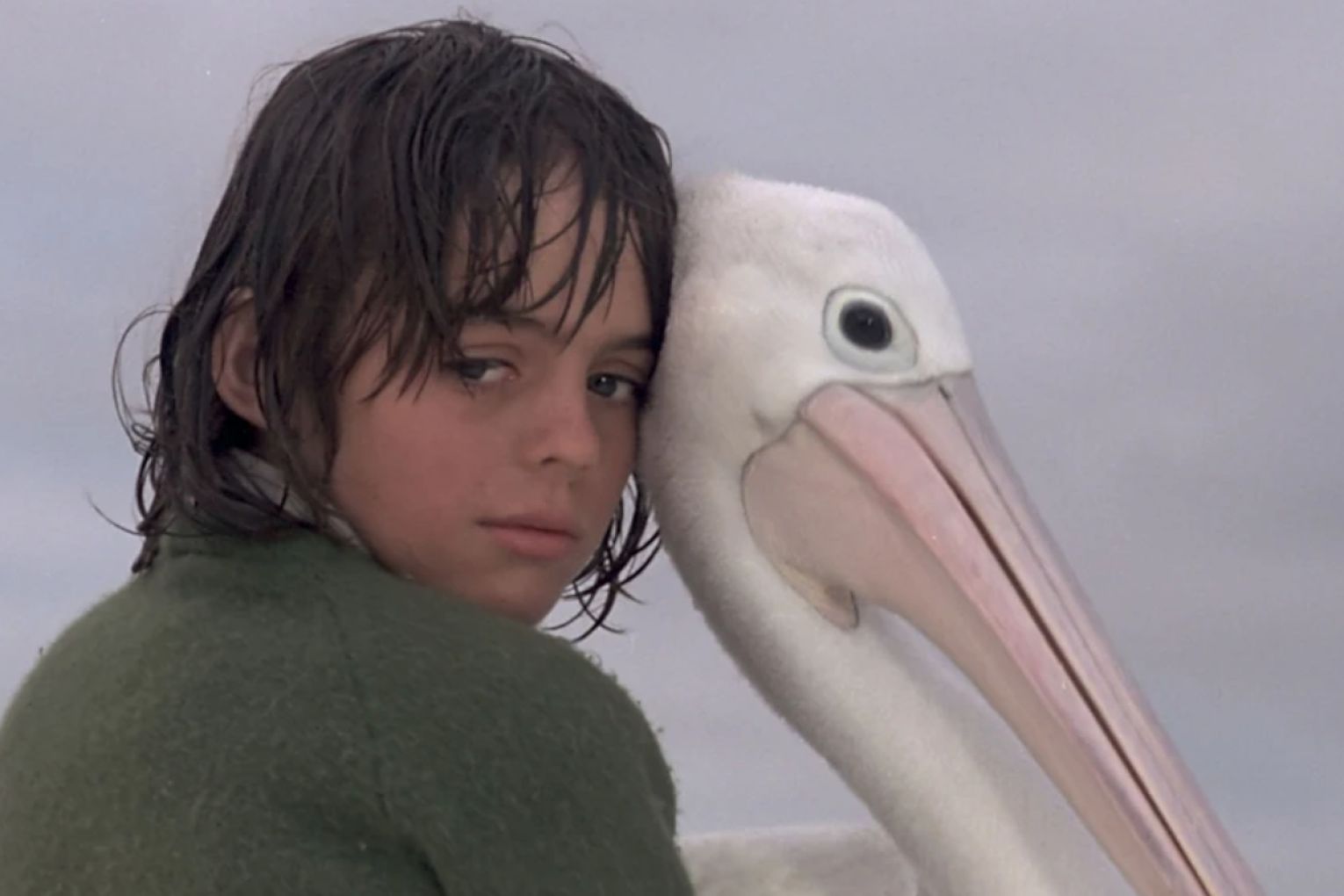
The Coorong region is a vital breeding ground for pelicans and is the setting for the renowned novel and film Storm Boy, which follows a young boy who befriends an orphaned pelican named Mr Percival.
Now, the Coorong’s pelicans and the more than 20,000 waterbirds that breed and rest at the site each year are at an increasing threat of the H5 bird flu after a nearby mass-mortality event involving more than 80 birds in the state’s south-east was linked to the virus.
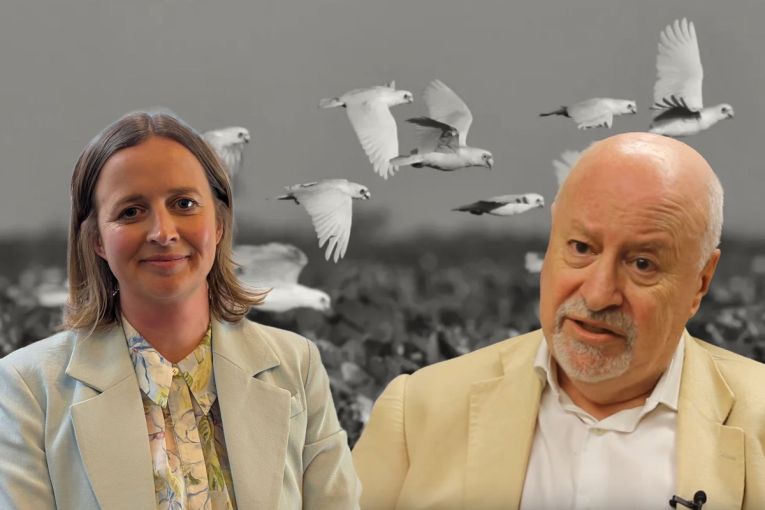
Murray-Darling Conservation Alliance national co-director Craig Wilkins said the bird flu outbreak could be the start of “a pretty horrific journey” for the Murray-Darling Basin and Coorong regions.
“It would be absolutely devastating if iconic species like pelicans are affected, so we wait with significant nervousness around what will happen next,” Wilkins said.
“Transmission is very efficient when it comes to waterbirds because they have dense breeding sites, and when you’ve got faecal contamination of water, it means that the virus tends to spread quickly.
You might like

“Birds like pelicans, like swans, like terns, like herons; birds that are loved by everyone are potentially at grave threat.”
On Monday, it was confirmed that a positive bird flu case had been found in a migratory petrel in the Coorong, taking South Australia’s confirmed cases tally to 58.
“It’s going from seabirds, but also potentially now into where we know a lot of water birds are nesting and using this space as a safe haven,” SA Environment Minister Emily Bourke said.
Wilkins said the confirmed case was another blow to the Coorong and surrounding regions’ ecosystem.
“At the start of the year, the Lower Murray region, including the Coorong, was declared critically endangered, and when a system is declared critically endangered, it means there’s a 50 per cent chance that it will collapse within 10 years,” he said.
“We already know the Lower Murray and Coorong and Lakes region is already incredibly vulnerable, and this is just one more stress.”
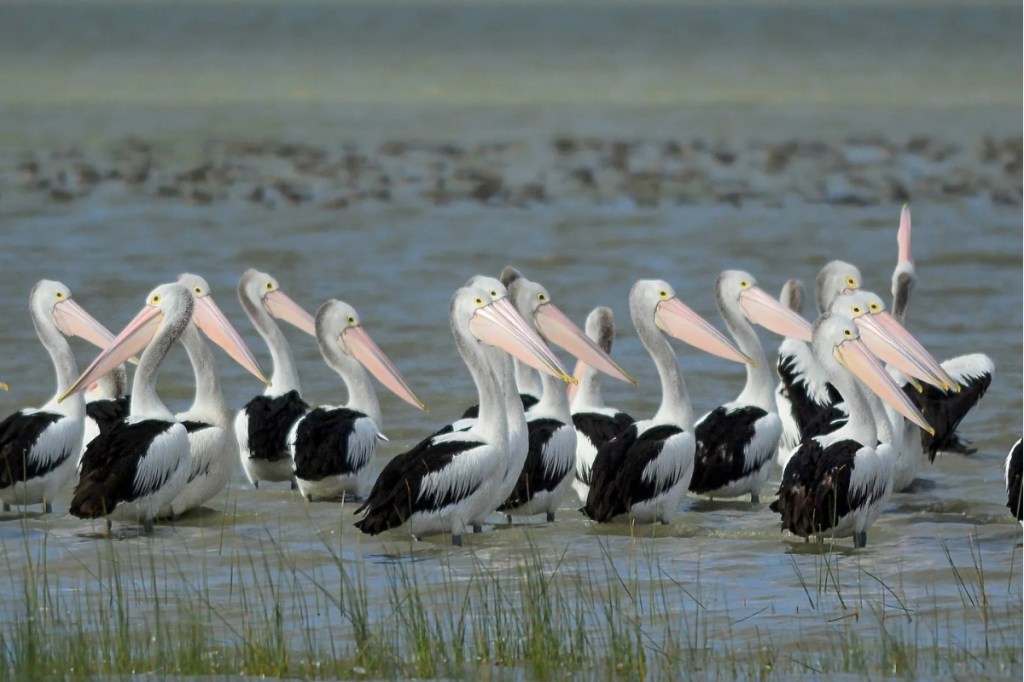
He also said it was “absolutely essential” to prepare the Murray-Darling Basin and river system where pelicans and other birds also breed.
Stay informed, daily
“The already vulnerable Murray-Darling Basin is set to be the epicentre for bird flu impacts because it is the feeding and breeding heartland for so many migratory and wetland bird species,” Wilkins said.
“Without emergency coordinated action to improve the resilience of wetlands and bird habitat, the consequences for waterbird populations across the basin could be catastrophic.”
Concerns for other endangered bird species along the Murray-Darling basin have also been raised, with the Australasian bittern only having an estimated 1300 mature individuals left in the wild.
The Murray-Darling Conservation Alliance and BirdLife Australia were both urging the Federal Government to immediately invest in emergency wetland restoration, environmental water delivery and wildlife resilience measures ahead of the coming spring breeding season.
The groups are calling for:
- Emergency environmental water deliveries to extend waterbird breeding events and increase wetland availability across the Murray-Darling Basin.
- Accelerated wetland protection and restoration, including recovering environmental water and removing barriers preventing water reaching floodplains and wetlands.
- Rapid investment in wildlife resilience measures, including a $200 million national wildlife resilience package over two years.
- Removal of avoidable pressures on vulnerable bird populations, including habitat destruction and hunting of susceptible waterbird species.
- Increased surveillance, monitoring and rapid response capability for outbreaks in wild bird populations.
The Coorong and Lakes Alexandrina and Albert Wetland region is listed as a Ramsar site, the wetlands named for their international importance for their ecological and biological value.
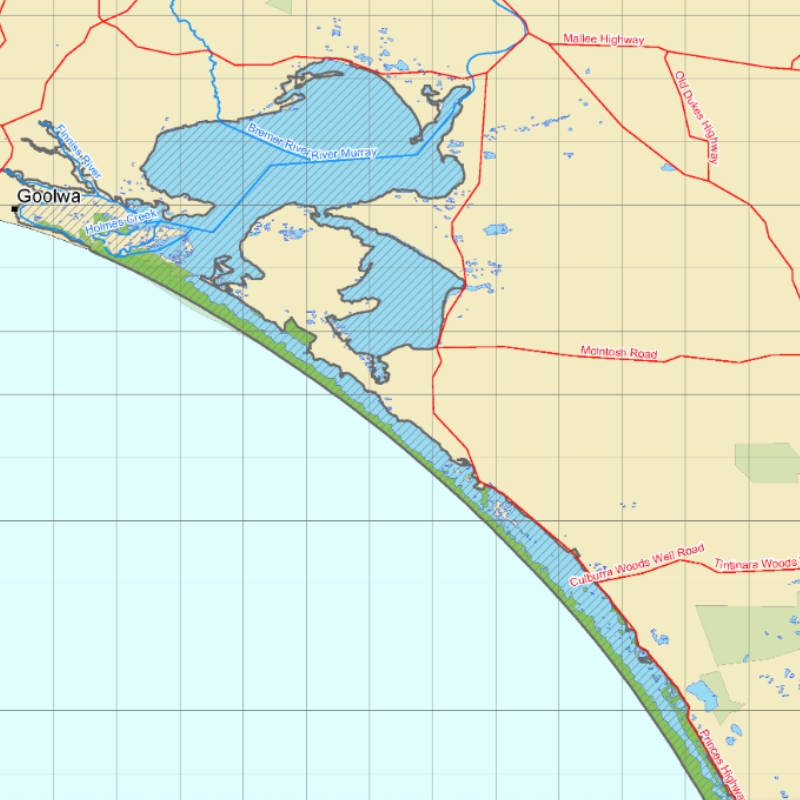
Map: Department of Climate Change, Energy, the Environment and Water.
The Ramsar Convention, an international environment treaty, aims to halt the loss of significant wetland areas worldwide through conservation and management that requires international cooperation.
Within the site, many wetland-dependent species are supported, including 48 listed as migratory and many native species that breed within the site or rely on it during adverse conditions.
Acting Premier Kyam Maher told reporters on Monday that the state government had invested more than $11 million since 2022 between the Department of Primary Industries and the Department of Environment and Water.
“We’re working very closely, as we have in the past, with industry, the poultry industry particularly, wildlife carers and those who look after our wildlife.”
Want to see more stories from InDaily SA in your Google search results?
- Click here to set InDaily SA as a preferred source.
- Tick the box next to "InDaily SA". That's it.