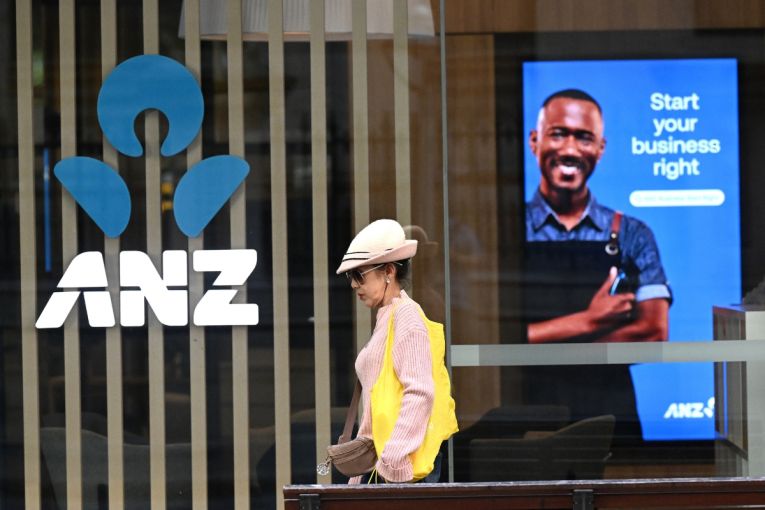
ANZ’s cost cutting delivers bumper profit growth
ANZ’s cash profit has risen to $7.6 billion as the bank cut thousands of staff.
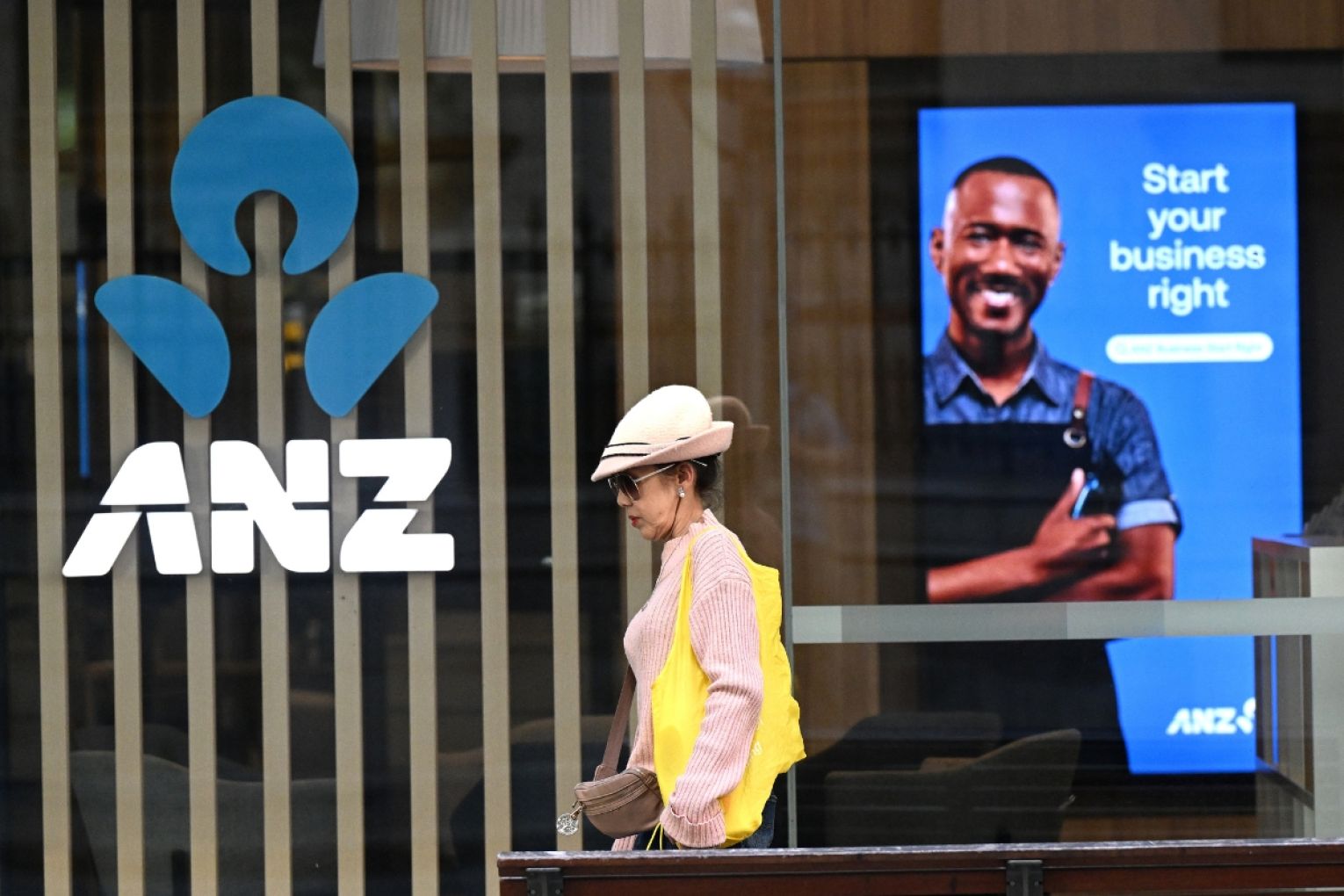
Australia’s fourth-largest bank has delivered its highest cash profit in three years after cutting costs, but its shares have slipped.
ANZ Group made a statutory net profit of $7.27 billion for the year to September 30, up 23 per cent from the previous year, while its cash profit rose 31 per cent to $7.59 billion.
The results demonstrated the success of the ANZ 2030 turnaround plan, which involved more than 3500 job cuts, chief executive Nuno Matos said.
“Our transformation is happening and we have momentum,” he told analysts in a conference call on Monday.
Investors seemed to think otherwise, with ANZ shares dropping 3.2 per cent to $39.05 on a day when the other three big retail banks fell much more modestly.
You might like


ANZ’s cash earnings had beaten consensus expectations, with better cost controls more than offsetting slightly below-forecast revenue, Citi analysts said.
Matos said ANZ was halfway through the first phase of its 2030 strategy and had exceeded its $875 million target with $902 million in cost savings.
The economies in which ANZ operates have remained relatively resilient despite recent geopolitical turmoil but financial pressures were more evident for ANZ’s customers in the second half.
The percentage of ANZ’s mortgage customers more than 90 days behind on their payments increased to its highest level in five years, climbing to 0.95 per cent of portfolio balances, from 0.83 per cent six months earlier.
Stay informed, daily
“Despite the increase in delinquencies, Australian mortgage individual provision losses remained low at $8 million for the half, supported by strong collateral coverage,” chief financial officer Farhan Faruqui said.
Eighty-seven per cent of ANZ’s mortgage customers were ahead on their repayments and 75 per cent had a savings buffer of at least three months, Mr Faruqui said.
“We continue to stress-test our mortgage portfolio against a range of economic factors – including unemployment, interest rates and house prices – and we remain confident in its resilience,” he said.
ANZ’s customers in the agriculture, transport and logistics sectors showed signs of emerging stress, reflecting the higher-cost operating environment.
But the bank’s overall business and private bank portfolio remained well collateralised and its loss rate dipped slightly for the year, Mr Faruqui said.
ANZ’s total credit impairment charge for the year was $582 million after individual provisions linked to customers rose by $33 million and future collective provisions lifted by $108 million.
“Strong capital, provisioning and liquidity provide ANZ with substantial capacity to absorb higher credit costs should borrower stress continue to increase,” Moody’s Ratings vice president Daniel Yu said.
ANZ declared a final dividend of 83 cents, taking the total for the year to $1.66, in line with fiscal 2025.
– AAP
Want to see more stories from InDaily SA in your Google search results?
- Click here to set InDaily SA as a preferred source.
- Tick the box next to "InDaily SA". That's it.