Stopping the next algal bloom: One man’s fight to return vital SA habitat
Less than one per cent of 8000 kilometres of a vital Australian habitat remains. One of InDaily’s 2026 40 Under 40 winners is fighting back.
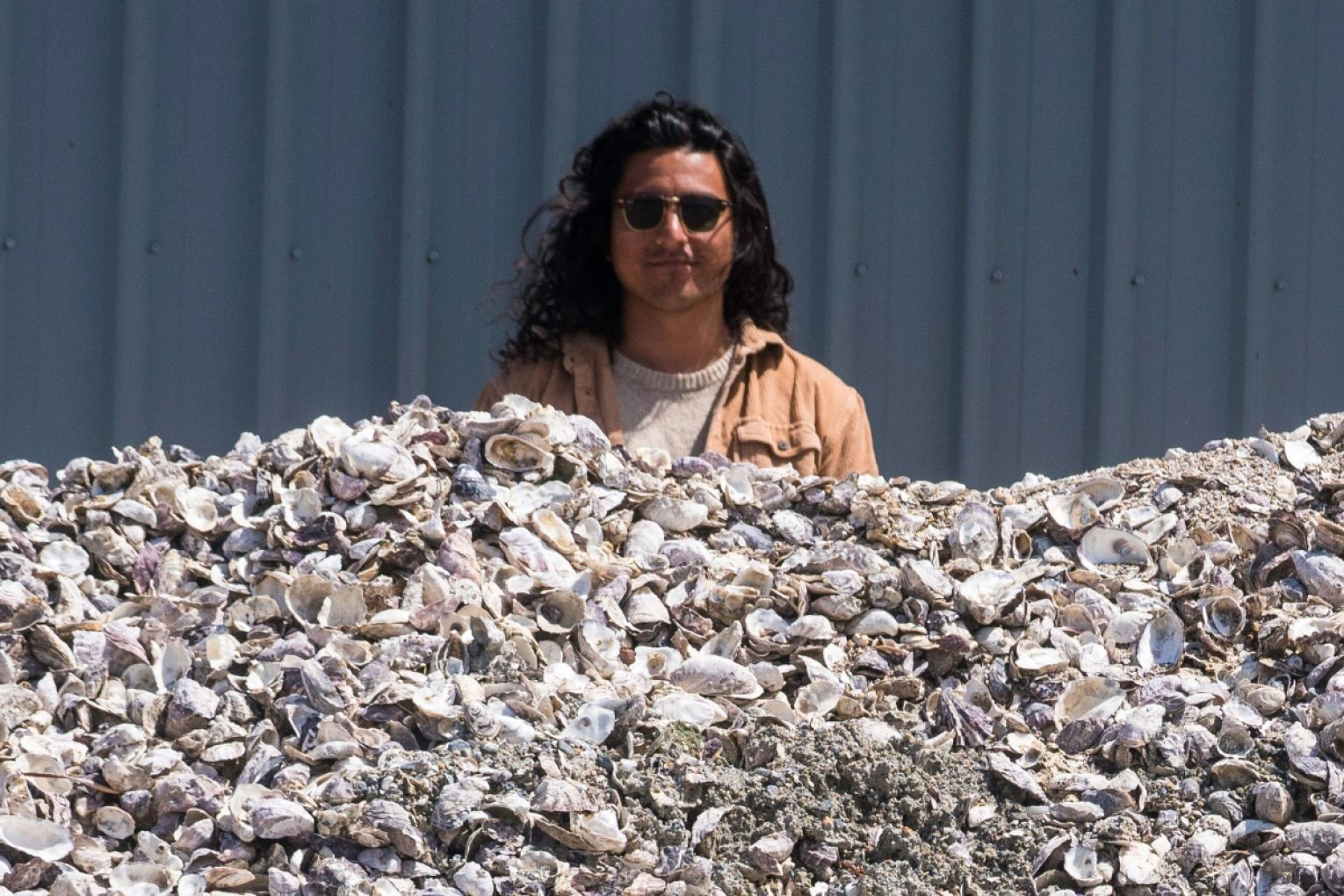
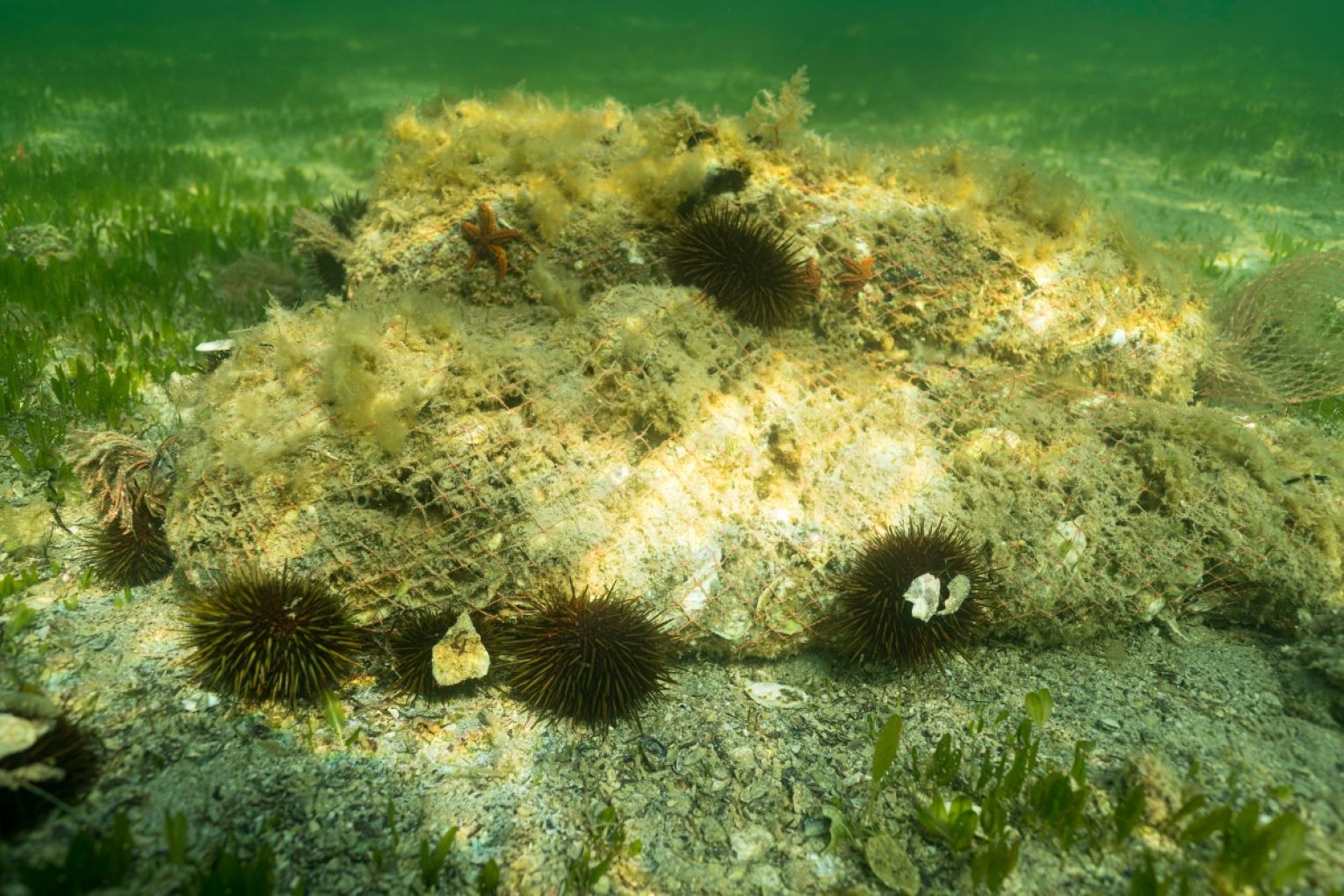
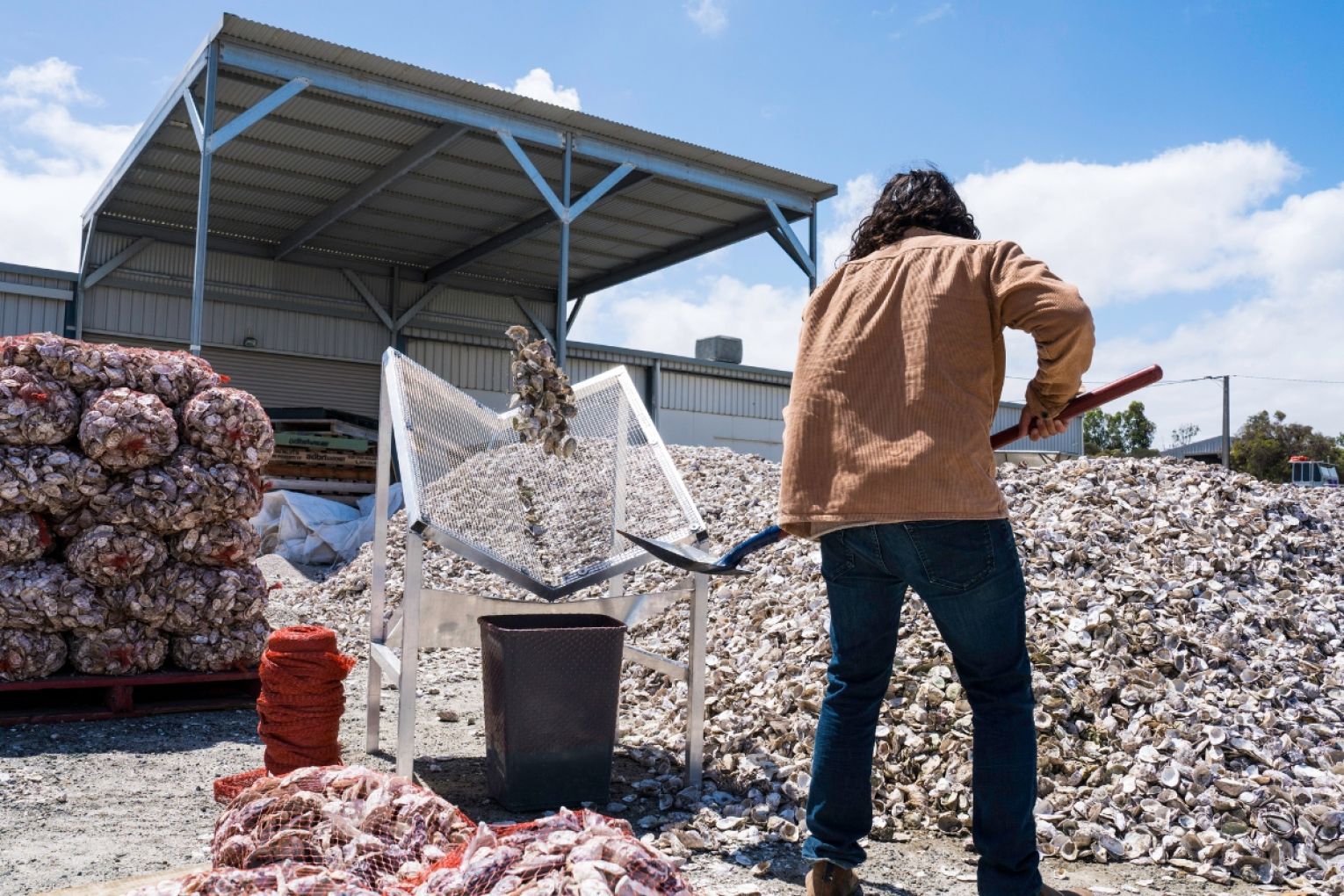
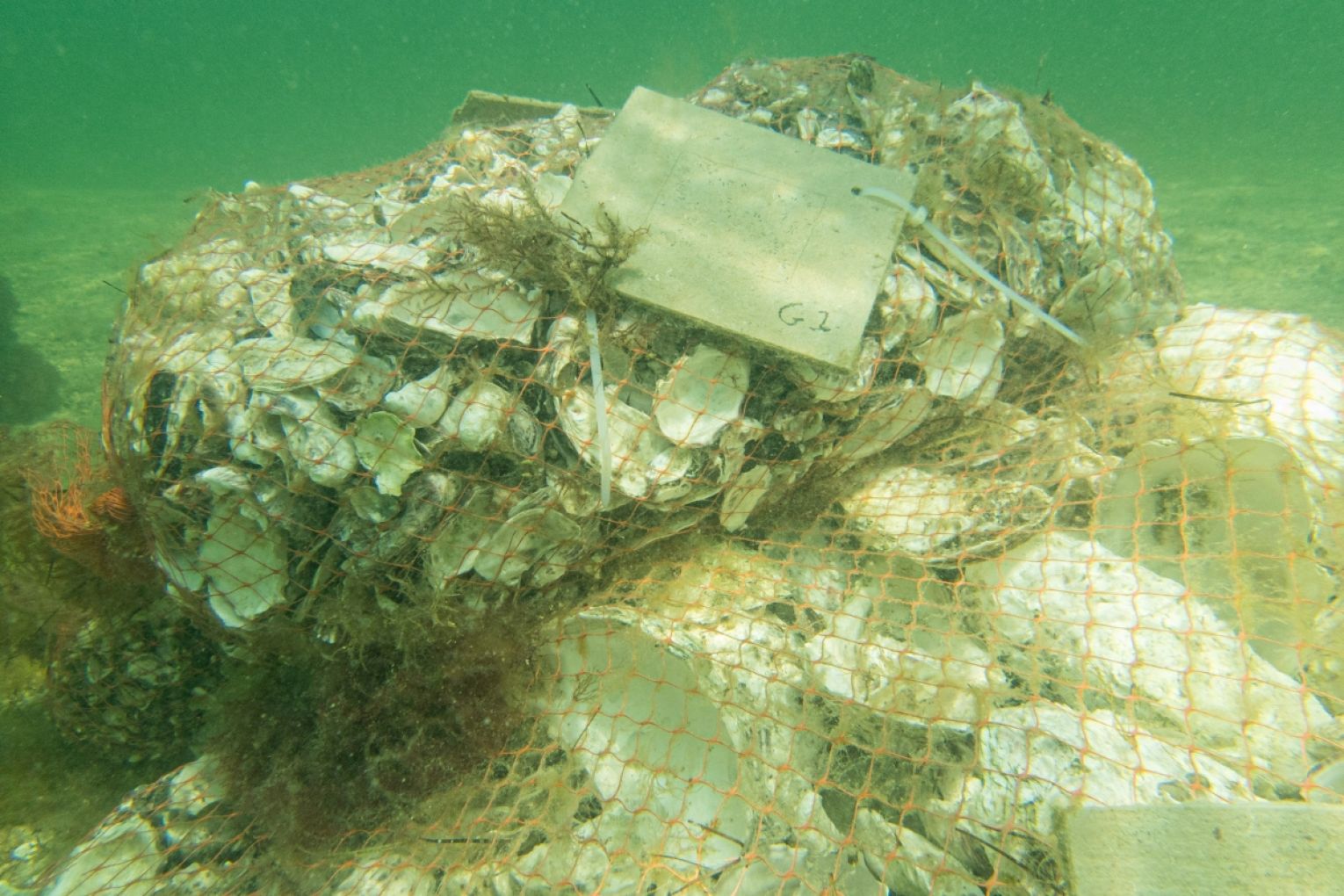
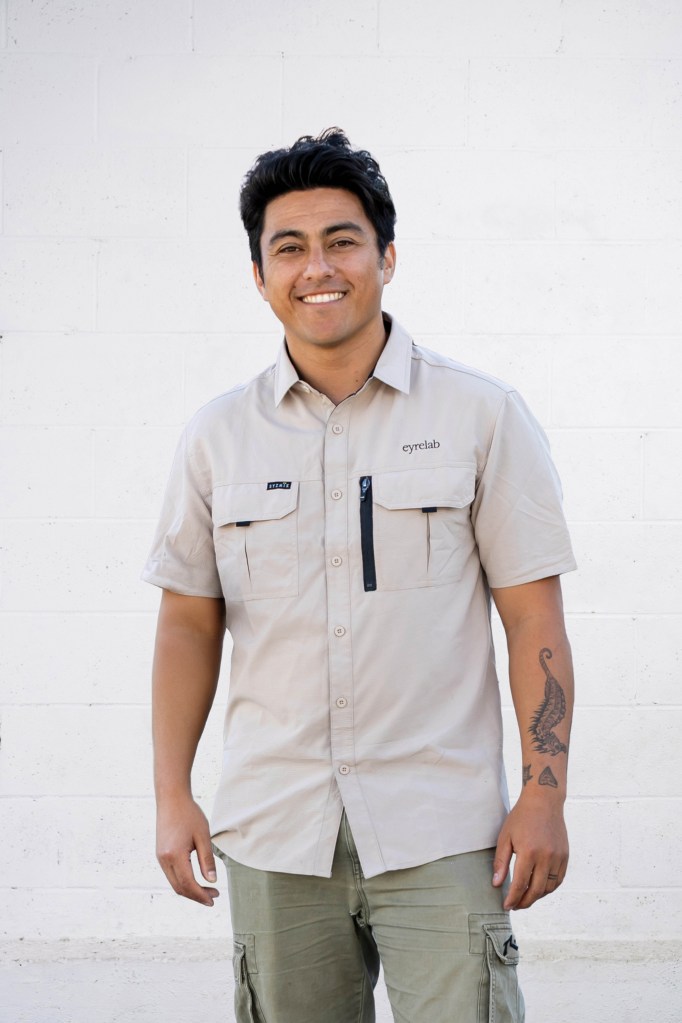
Eyrelab director Manny Katz is on a mission to restore South Australia’s marine ecosystems by building native oyster reefs across the state, with the aim of reducing the impact of future algal blooms.
The winner of the Rural and Regional Award at the 2026 40 Under 40 gala said that of the 8000 kilometres worth of oyster reefs in Australia, today, just one per cent remains.
Along with university partners and members of the community, Eyrelab is aiming to reverse that loss by building 25, 100-by-100-metre native oyster reefs across South Australia – equalling 10,000 square metres – over the next three years or so.
“It’s a lot of reefs – a hectare, in the grand scheme of the ocean, though, it’s a drop in the bucket,” Katz said.
“If the goal is to prevent algal blooms from happening in the future or to maybe reduce the impact of a future algal bloom, or whatever the future environmental crisis is going to be, we need to do this at scale.”
Originally from California, Katz had a background as a scuba diving instructor and moved permanently to South Australia in 2020, setting up Coffin Bay Scuba Co. in 2021.
You might like
In 2024, the organisation evolved into Eyrelab (Educating Youth in Restoration Ecology Lab Incorporated), a non-profit focused on marine restoration, conservation and youth training in ocean science.
“We, by accident, discovered some buried oyster reef ecosystems, and the discovery of these buried oyster reefs led us down this path of understanding the history of oyster dredging,” he said.
“We came across some remnant reefs, and we thought, ‘Wow, we should probably do something about this’.”
In 2023, Eyrelab partnered with Dr Dominic Mcafee from the University of Adelaide, who specialises in oyster reef ecosystems, to explore the feasibility of rebuilding oyster reef ecosystems, Katz saying “we had a lot of success”.
“Essentially what we were trying to do at the time was understand or figure out if there’s any native oysters still in the bay and if they were, where are they and are they able to reproduce? ‘Are they spawning out and are babies settling in different places?’,” Katz said.
Stay informed, daily
“Basically, we found, ‘Yes’ – we learnt that there’s actually an oyster reef in Coffin Bay; we discovered Australia’s largest shellfish reef.”
Katz said Eyrelab was restoring native oysters on a small, grassroots scale when the harmful algal bloom began to devastate the state’s ocean.
He said the state government saw the project and wanted Eyrelab to upscale and replicate it around South Australia.
“If you build a reef, you’ve got to wait for fish to move in, and typically what we see is, we’ll get various species moving in within 24 hours of us putting reef base down, and within weeks, we’ll find fish eggs laid within our reef bags,” Katz said.
Katz said there were significant socioeconomic benefits to rebuilding and conserving marine ecosystems, with oysters removing excess carbon from the sea when they suck in nutrients such as algae and photosynthetic microbes. The oysters also “poop out” nutrients to help fertilise the soil on the sea floor.
“The Great Barrier Reef and coral reefs in general, yes, they provide habitat; oftentimes they act as nursery sites for juvenile fish, breeding grounds for other fish and other marine species; they reduce wave action, and they mitigate coastal erosion, and oyster reefs do the same,” he said.
“If we can put some filter feeders (oysters) back in, we can maybe build up a line of defence against blooms and also create fish habitat, create nursery habitat, increase biodiversity, increase biomass, more fish, better fishing, clean water, better swimming and diving.”
Eyrelab runs a coastal restoration centre at Coffin Bay, where they recycle oyster shells to build new oyster reefs, as well as holding shell bagging days and taking community members out in boats to help construct reefs, Katz said.
Katz said he wants the community to feel a sense of ownership and stewardship over these habitats, with Eyrlab organising school excursions and training community members to take underwater photos, do basic surveying at reefs and collect data.
“We’ve got some amazing fishing communities all around the state, but we need more eyes on our reefs – we need people in the water, seeing and checking out and assessing the health of what we’ve got down there,” he said.
Asked where he sees Eyrelab in five years’ time, Katz said he hopes it will still be building reefs, with more flexibility and knowledge about “how to get this right” so the organisation does not “invest all this time and money into building reefs that aren’t going to work”.
“It can be exhausting for a lot of people talking about climate change and environmental crises, but I think thankfully at Eyrelab, we get to help try to undo that and take decisive action,” he said.
Want to see more stories from InDaily SA in your Google search results?
- Click here to set InDaily SA as a preferred source.
- Tick the box next to "InDaily SA". That's it.