‘Diagnosed. No services’: Senior Australian of the Year reveals 14 factors to fend off dementia
A world-renowned dementia researcher tells InDaily about his unique plan to help thousands of families struggling to find help – revealing the 14 factors to fend off dementia. The Senior Australian of the Year is keynote speaker at an Adelaide conference today.
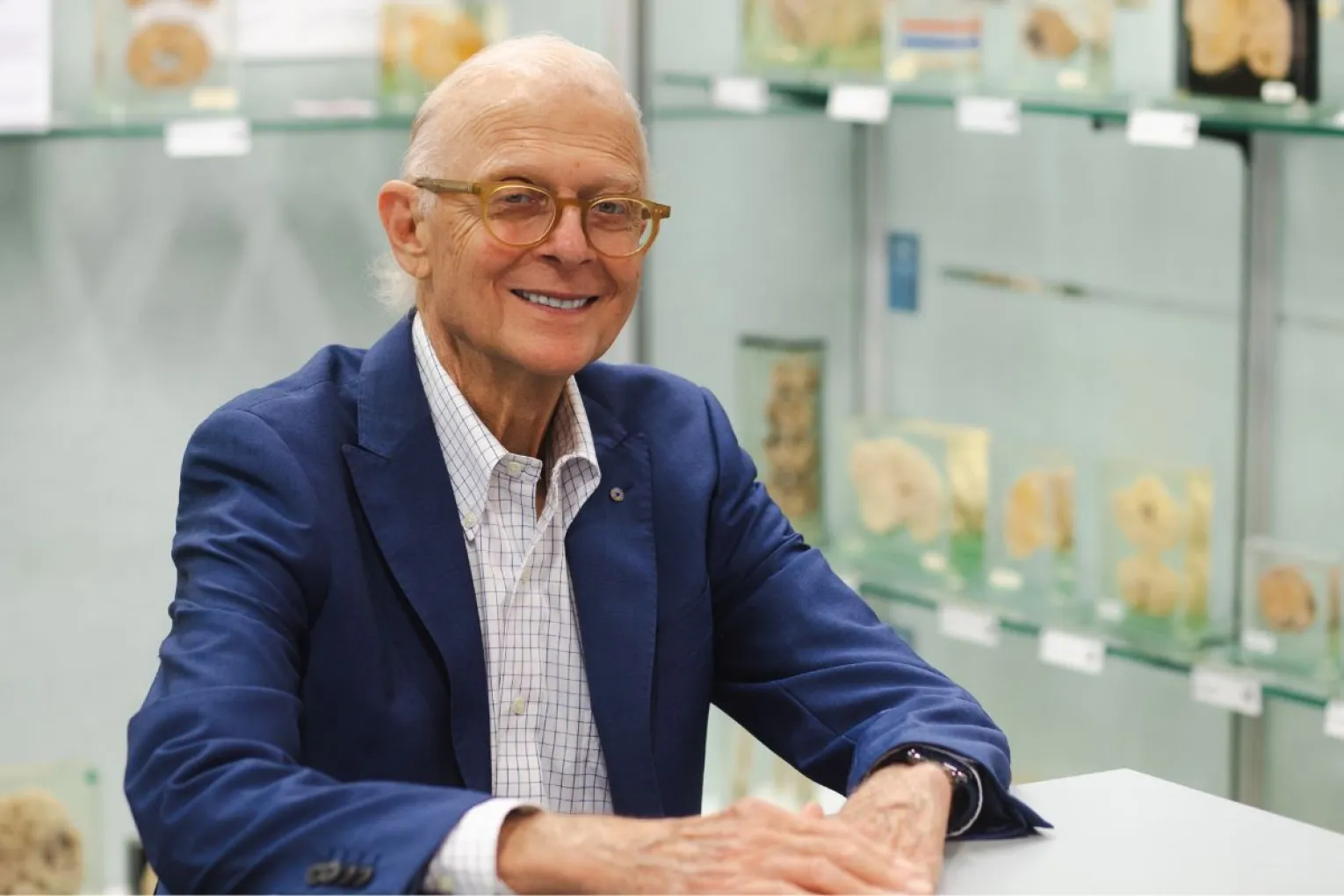
One of the world’s leading dementia and brain health researchers has outlined key issues facing the aged care and health systems as dementia cases continue to rise across the country.
Senior Australian of the Year and Dementia Australia co-founder Professor Henry Brodaty has told InDaily that access to appropriate therapy and aged care resources are some of the biggest issues facing dementia patients.
Currently, more than 446,000 Australians live with the neurological disorder, and 250 people are diagnosed each day. More than one million cases are expected by 2065.
“There’s a big issue in post-diagnostic care. People get diagnosed, and then there’s no services for them,” Brodaty said.
“There are therapies like cognitive stimulation therapy, cognitive rehabilitation, which have been proven particularly in the UK. They’re recommended by their National Institute for Health and Care Excellence that should be offered to all people after the diagnosis.
“We don’t have those as a routine in Australia, and that’s something we can do. There are some centres who are doing it, but it’s in a piecemeal fashion.”
In 2021–22, there were almost 242,000 people living in permanent residential aged care across the country, and 54 per cent of those were living with dementia.
You might like


According to the Australian Institute of Health and Welfare, people living with dementia may be turned away from residential aged care facilities if they have complex behaviours, leading to “longer than necessary” hospitalisations.
Dementia Australia estimates up to two in three people living with dementia are living in the community, with Brodaty saying the current aged care system was “very complicated” and “very hard to navigate” meaning families struggle to access help.
“One of the things we’re trying to promote is dementia navigators, we have breast cancer nurses and diabetes nurses, and we could do the same with dementia,” he said, saying it would help people find vital support services and care facilities.
“Dementia Australia has crunched the numbers and done the economic analysis, and it showed that it would actually save money if the government invested in that.”
In 2022-23, the Australian government spent an estimated $3.2 billion on aged care services and assessments for dementia patients, including almost $800 million for patients living independently to receive at-home support.
Brodaty said “investing in brain health” would not only improve lives, but also “save the health system money”.
“We think there’s an economic as well as a humane basis to encourage government to start doing a healthy brain promotion program and to roll out a national dementia navigator program,” Brodaty said.
“Everyone tells government they should be doing things. We’ve got the economics now as well as the efficacy evidence, so, it’s a matter of them making choices.”
Stay informed, daily
He told InDaily dementia research was an area he “wasn’t particularly interested in” until his father was diagnosed with Alzheimer’s disease in 1972 at just 52 years old.
“I was more interested in the other forms of psychiatry, mainly in depression,” Brodaty said.
“After my father died, I became involved in helping set up what’s now become Dementia Australia with a number of people. We set it up in New South Wales, and then nationally, and then internationally.”
How to fend off dementia
Since then, the Senior Australian of the Year has been an integral part in the nation’s cognitive and healthy ageing research.
As co-director of the Centre for Healthy Brain Ageing at the University of New South Wales and co-founder, Brodaty has been integral to breakthroughs in understanding brain health, ageing and dementia prevention.
He led ‘Maintain Your Brain’, the world’s largest online dementia risk-reduction trial featuring 6000 people aged between 55 and 77 that targeted lifestyle risk factors that could lead to cognitive decline.
The results demonstrated that reducing risk factors improved cognitive functions and offered a cost-effective model for national prevention.
“Fourteen factors account for about 45 per cent of dementia cases. So, if we could eliminate those, we would have perhaps half as many people with dementia in the world,” Brodaty said.
The 14 factors
- Physical inactivity
- Smoking
- High blood pressure
- Excessive alcohol
- Weight gain
- Bad cholesterol
- Social isolation
- Depression
- Hearing loss
- Untreated vision loss
- Repeated brain injuries
- Diabetes
- Education (learning new skills)
- Air pollution
Brodaty will present at the Reshaping the Future of Ageing seminar hosted by the Australia Day Council of SA alongside Senior South Australians of the Year later today to discuss his contributions to world-leading dementia and brain health research.
Want to see more stories from InDaily SA in your Google search results?
- Click here to set InDaily SA as a preferred source.
- Tick the box next to "InDaily SA". That's it.