Motorists to pay price for US blockade, toll in strait
While the government worries about the impact on petrol prices, the opposition warns that Trump’s demand for a US toll in the Strait of Hormuz would set a dangerous precedent.
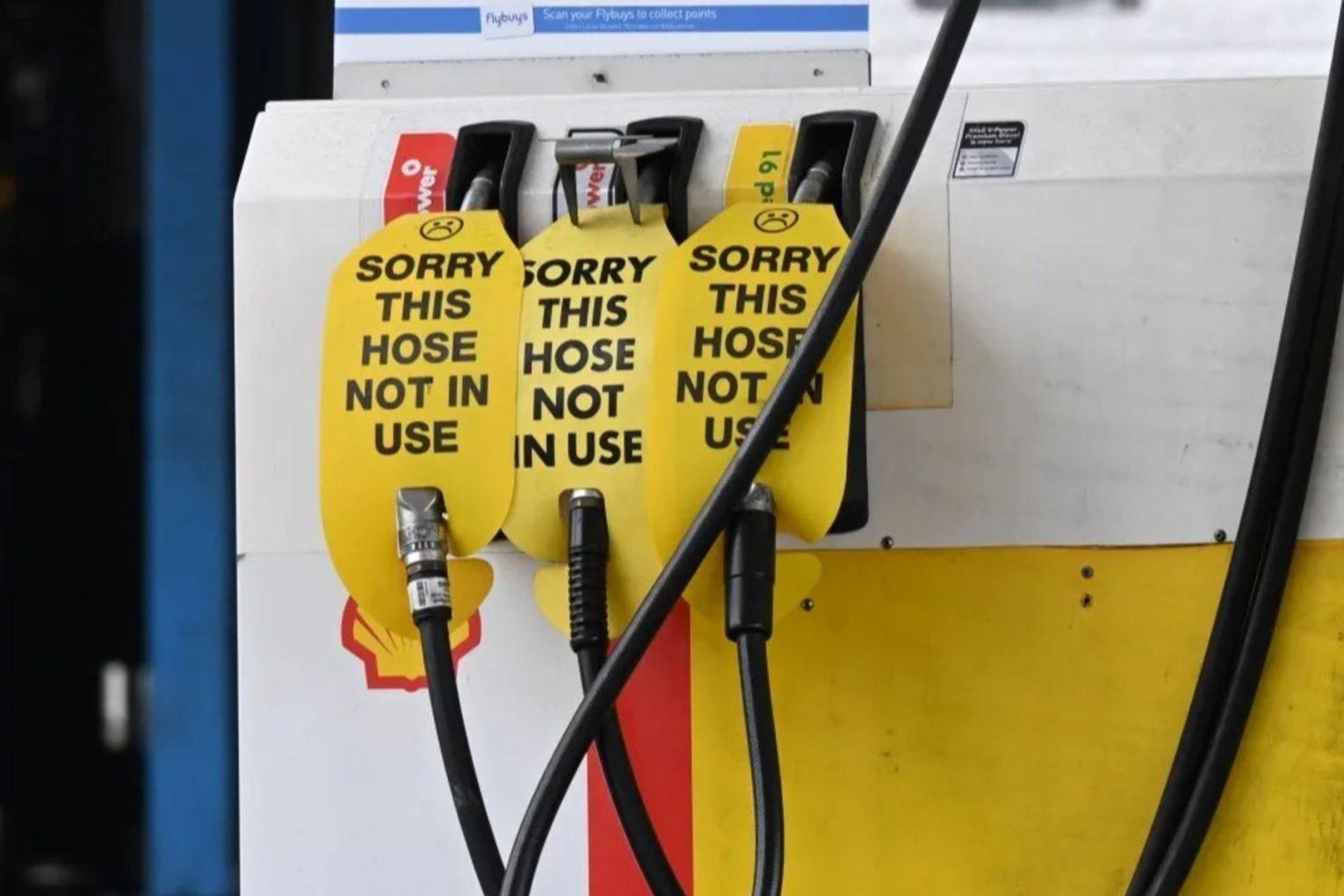
Australian drivers could take a financial hit if the US president goes ahead with plans to charge a toll for oil tankers travelling through the Strait of Hormuz.
The government is calling for de-escalation and a lasting peace deal in the Middle East after Donald Trump announced plans to reinstate the US blockade on Iranian ships and ports in the strait.
In peacetime, the strait was the shipping channel for about one-fifth of the world’s oil, but the waterway has been subject to on-again, off-again closures during the US-Israeli war on Iran.
The US has launched a new wave of missile attacks on Iran, which also has tried to impose it’s own tolls on vessels travelling through the strait, with Trump saying the channel is still open to non-Iranian ships.
Trump said he wanted the US to be “reimbursed” for protecting a “very rich portion of the world”, floating a 20 per cent tax on all cargo shipped through the strait.
You might like

The move prompted alarm in Australia for the potential impact on motorists as the opposition warned it could set a dangerous precedent for shipping lanes closer to home.
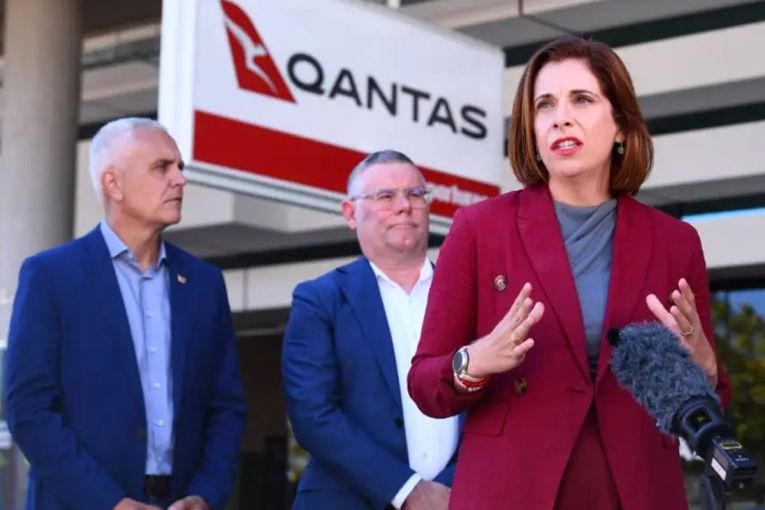
“We’ve called for de-escalation… there needs to be an agreement that is struck and one that lasts,” Emergency Management Minister Kristy McBain told ABC Radio on Tuesday.
“Otherwise, it is Australian households and consumers who ultimately end up paying the price.”
The price of oil jumped about eight per cent to above $US80 per barrel after the spike in tensions between the US and Iran, although it remains well below the consistent prices of $US100-plus per barrel seen earlier in the conflict.
Stay informed, daily
Responding to Trump’s Strait of Hormuz announcement, Iranian Foreign Minister Abbas Araghchi wrote in a post on X: “POTUS is absolutely right. Whoever provides secure and safe passage of commercial vessels through the Strait of Hormuz should be compensated for this service.”
“Iran has always been the guardian of the strait and will remain so forever. 20 per cent is of course too much. We will be fair,” Araghchi said.
Australia had more fuel stockpiled than before the war started, McBain said, while leaving the door open to extending the existing 16-cent-a-litre cut to tax on fuel, which is due to expire at the end of the month.
“We’ll monitor the situation and see what else needs to be done,” she said.
Opposition energy spokesman Dan Tehan said if Trump pressed ahead with plans for a shipping levy in the strait, the government should raise concerns with the White House because of the precedent it could set in the South China Sea.
“It’s absolutely essential that these waterways remain free from any sort of toll system, of any one country dictating the terms of passage,” he said.
“That would set a dangerous precedent right across the world.”
Foreign Minister Penny Wong said Australia had long called for de-escalation and an end to the conflict, urging the US and Iran to continue negotiations, resume a ceasefire and reopen the strait.
“We call on Iran to abide by its obligations under the agreement, including to ensure safe passage through the Strait of Hormuz,” she said.
-with AAP
Want to see more stories from InDaily SA in your Google search results?
- Click here to set InDaily SA as a preferred source.
- Tick the box next to "InDaily SA". That's it.