Second bird flu case confirmed as helicopters launched
UPDATED: SA has recorded a second bird flu case as more testing is done on “suspect” birds and the state government launches helicopters to scour the coastline for wildlife impacts.
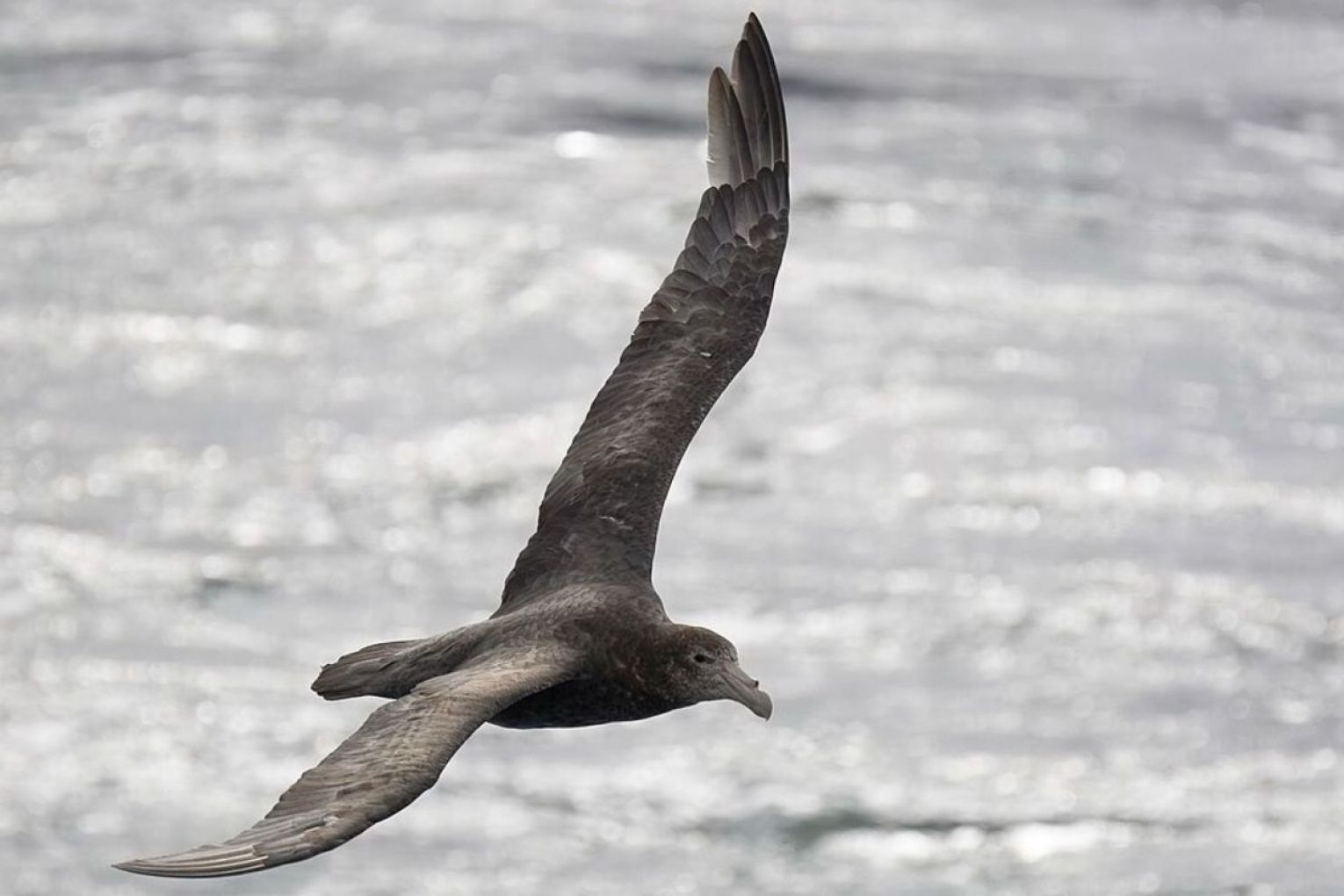
SA has recorded its second case of H5 bird flu in a giant petrel from Hardwicke Bay on the Yorke Peninsula, Primary Industries and Regional Development Minister Clare Scriven confirmed today.
It is the second confirmed case of bird flu in the state, after the first positive case was confirmed on June 24 – a Southern Giant Petrel from Knights Beach, Port Elliot.
Two more “suspect” cases of bird flu were detected at Kangaroo Island’s Emu Bay and Port Vincent, Scriven said.
Scriven said the two other giant petrels were tested at the Primary Industries Department’s Glenside lab and have been sent to the CSIRO’s Geelong facility for further testing.
SA’s chief veterinarian Dr Skye Fruean said there are concerns about the potential impact of bird flu on sea lions in light of the Kangaroo Island case, but that there were no closures at Emu Bay currently.
“We’ve still only got these isolated cases, so there isn’t any evidence that it’s spread, which is excellent, and something we will continue to monitor closely,” Dr Fruean said.
“Things like park closures are not a consideration at this point in time, and they would only be considered if they were necessary from either a public safety or the safety of the sea lions themselves, and we’re not at that point.”
You might like

South Australian Research and Development Institute executive director Professor Mike Steer said sea lions were one of the “highest priority” marine conservation concerns.
“They are nationally listed as Endangered,” Steer said.
“When H5 bird flu spread through South America, it caused catastrophic mortality in South American sea lions, killing tens of thousands of animals over a very short period.
“That experience highlights why we are taking the threat so seriously here, and why rapid, coordinated surveillance is so important to protect South Australia’s unique marine wildlife.”
Minister Scriven said that government helicopters had surveilled more than 5000 kilometres of SA’s coastline, and the results were “encouraging” because they did not show widespread mortalities in birds or other wildlife.
Additional aerial surveys have targeted other remote areas in the state, including Kati Thanda-Lake Eyre, the Riverland, the Lower Lakes and the Coorong.
She said the surveillance was the most extensive the state had launched in more than 40 years, but added that the few bird flu cases or suspected cases were “still isolated incidents”.
Stay informed, daily
“They are all migratory seabirds, so far, and we have no evidence of any establishment anywhere in Australia, including none in commercial poultry facilities.”
In total, there have been six positive cases of H5 bird flu in Australia, including four in Western Australia, one in New South Wales, and one in South Australia.
South Australians have been encouraged to report any dead or sick birds or wildlife showing signs of bird flu.
Possible signs include multiple sick or dead birds in one location, weakness or inability to fly or stand, swelling, respiratory distress or abnormal behaviour.
The government said it was imperative to avoid contact with any sick or dead birds. Bird flu infections in humans are rare, but can be severe.
South Australians can report sick or dead birds to the Emergency Animal Disease Hotline on 1800 675 888.
Shadow Primary Industries Minister Nicola Centofanti said was concerned about the response to the public reporting dead birds.
Jason Carls, who volunteers at the Adelaide Dolphin Santuary said when he called to report dead pelicans, he was asked “ridiculous” questions including about the pelican’s colour and how to spell ‘pelican’.
Centofanti said she was worried people like Carls would be deterred from making future reports of suspicious bird deaths.
“There is heightened anxiety about the looming threat of bird flu, and we would encourage the Government to ensure the people at the end of the bird flu hotline are appropriately trained,” Centofanti said.
“We need to take this incredibly seriously, because we’ve seen the devastating impacts of this virus around the world.”
Want to see more stories from InDaily SA in your Google search results?
- Click here to set InDaily SA as a preferred source.
- Tick the box next to "InDaily SA". That's it.