Warning over strongman leaders in Lowitja O’Donoghue Oration
The importance of Aboriginal women leaders was highlighted at this year’s annual Lowitja O’Donoghue Oration, with a warning about complex issues “being reduced to slogans”.
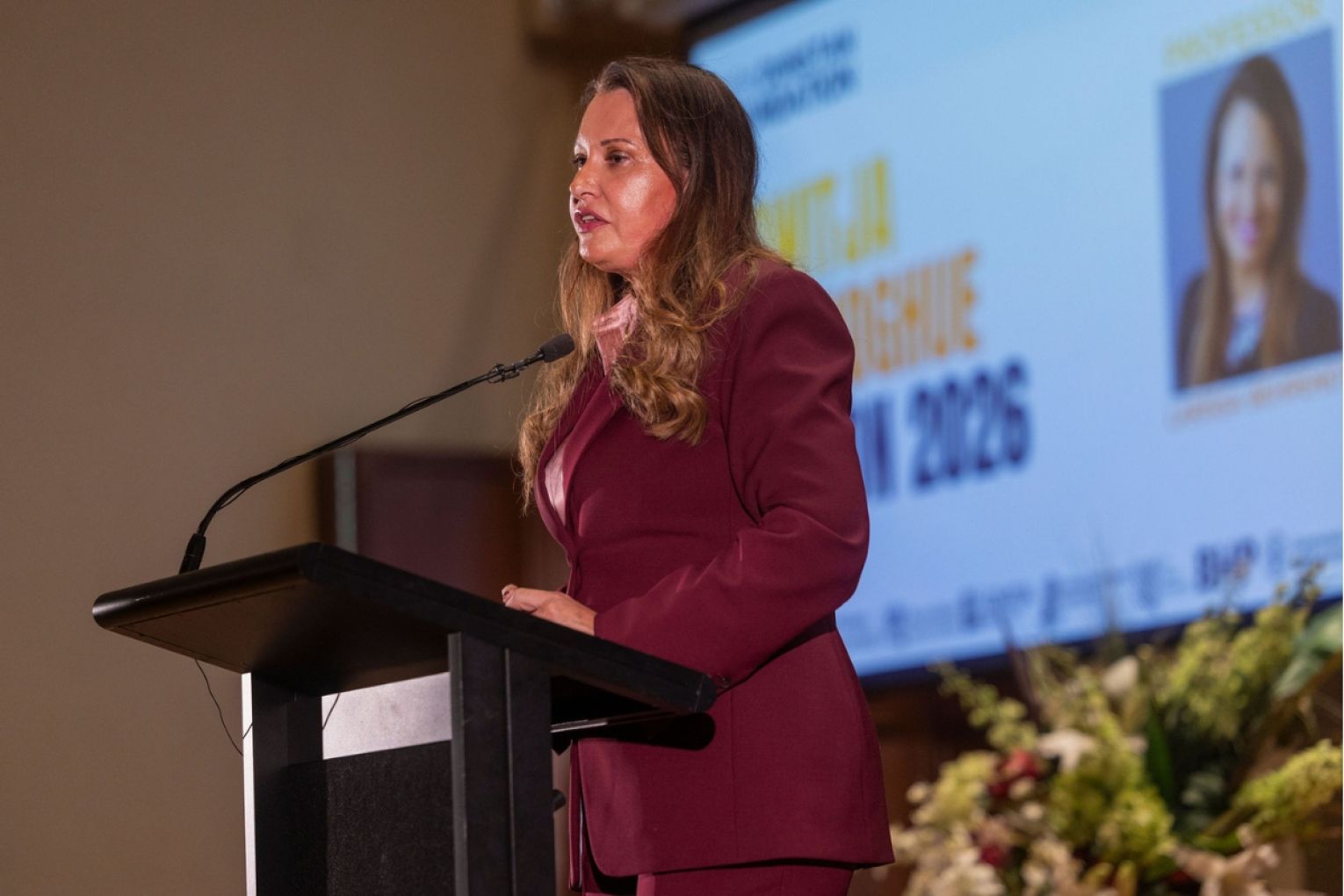
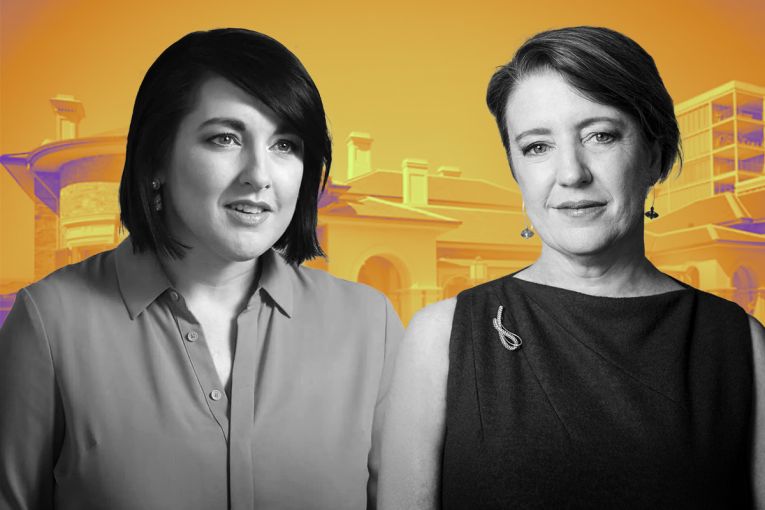
During her keynote speech at the annual Lowitja O’Donoghue Oration on Wednesday evening, Professor Larissa Behrendt emphasised the importance of Aboriginal women leaders in a world of polarised and fragmented politics.
“We find ourselves living through a period where social cohesion feels increasingly fragile. Public life has become more adversarial. It’s more polarised. It’s more performative. Complex issues are being reduced to slogans. Political disagreement hardens quickly into hostility,” she said at the event hosted by the Don Dunstan Foundation at Elder Hall.
“Increasingly, people are encouraged to see one another not as fellow citizens with shared responsibilities, but as opponents occupying competing moral camps, and beneath that fragmentation sits something deeper, a growing sense of disconnection – disconnection from community, from truth, from one another, and at times, even from the idea that we share a collective future at all.
“At a moment when public debate often feels fractured by outrage, grievance, and division, I want to reflect on what her (Dr Lowitja O’Donoghue’s) leadership might teach us about social cohesion, national maturity, and the kind of country we could yet become.”
Behrendt is a Eualeyai/Gamilaraay woman who is a distinguished professor and laureate fellow at Jumbunna Institute at the University of Technology Sydney, as well as chair of the National Library of Australia.
You might like

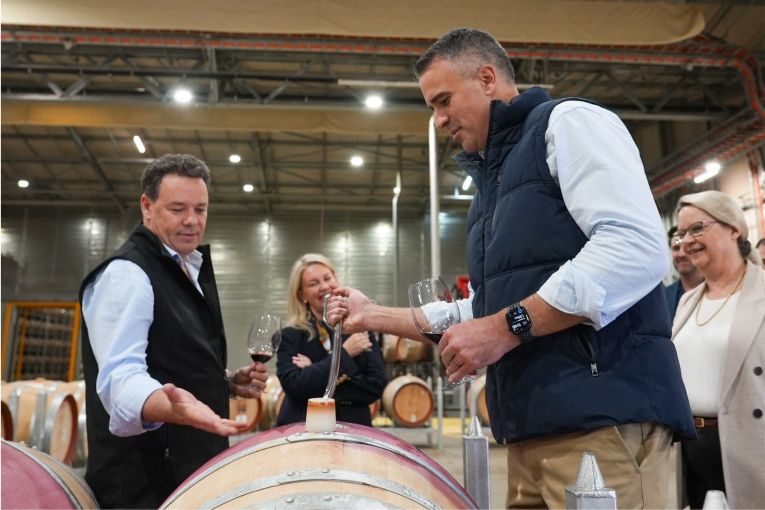
The Lowitja O’Donoghue Oration began in 2007 and is dedicated to the memory and legacy of the trailblazing Aboriginal leader.
During the speech, Behrendt also pointed to the strength of other Aboriginal women leaders, including fisherwoman Barangaroo, who resisted the impact of colonialism on her community near Sydney Cove in New South Wales during the 1700s.
“As traditional economies were dismantled, land was seized, and Aboriginal movement restricted, the authority of Aboriginal women was systematically undermined; the cultural, spiritual, and economic power they had exercised within their own societies was diminished by a colonial order that neither recognised nor respected it,” Behrendt said.
“Colonisation was in so many ways the violent dismantling of relational responsibility, which is why the leadership traditions embodied by women like Baragaroo, Patyegarang and Lowitja O’Donoghue feel so important now.
Stay informed, daily
“They remind us that social cohesion is not created through silence, forced consensus, or the suppression of difficult truths – it is built through responsibility, through relationships, through the willingness to remain in dialogue with one another … through leadership that understands that strength is not about domination and force, but the capacity to hold people together though periods of profound change.”
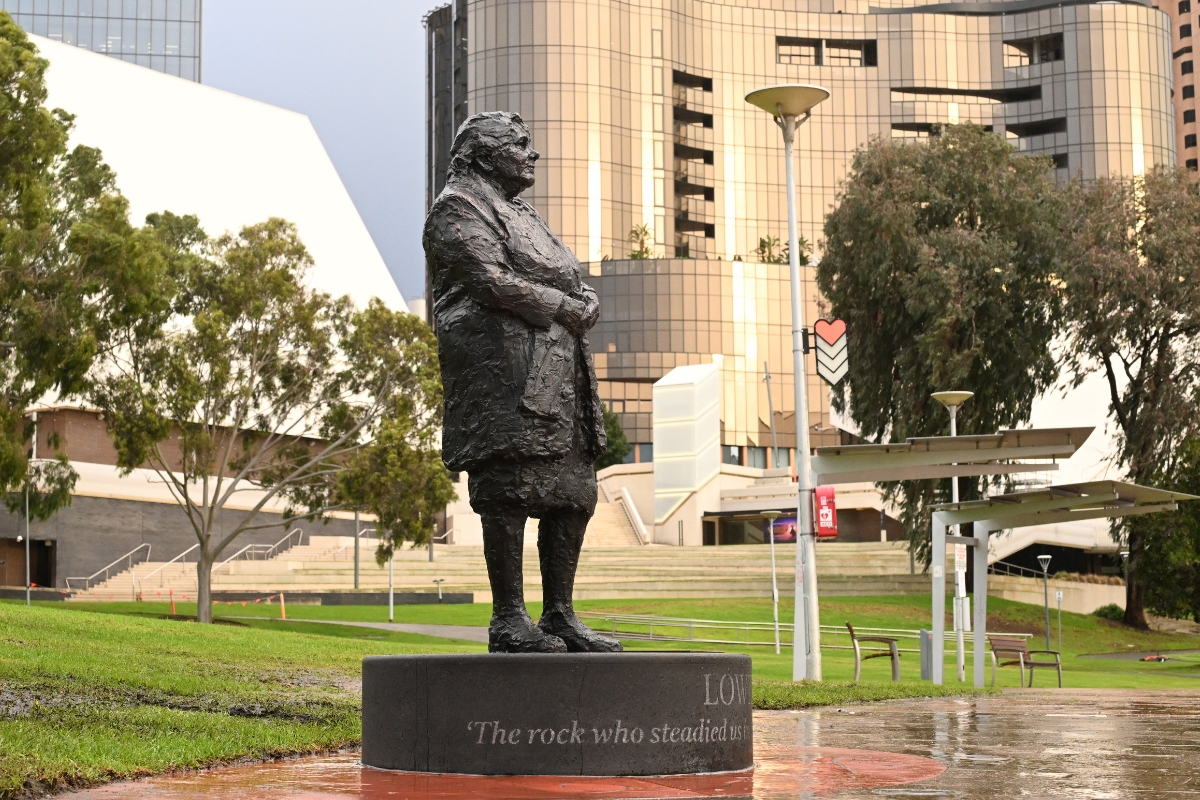
It comes as a life-sized statue of O’Donoghue was unveiled along the Tarntanya Wama/Elder Park walkway during National Reconciliation Week, designed by acclaimed sculptor Robert Hannaford AM.
O’Donoghue was the first Aboriginal person to train as a nurse at the Royal Adelaide Hospital in 1954 after initially being refused a position because of her Aboriginal heritage.
During her lifetime, she campaigned tirelessly for the recognition of Aboriginal people in the 1967 Referendum and was the inaugural chair of the Aboriginal and Torres Strait Islander Commission.
She also received a several accolades for her work including Australian of the Year in 1984, a NAIDOC lifetime achievement award and received the accolade of Dame of the Order of St Gregory the Great, an honour bestowed by Pope John Paul II.
In yesterday’s State Budget, $8.5 million was included to establish a Commission to undertake Truth-Telling and progress Treaty activities.
Want to see more stories from InDaily SA in your Google search results?
- Click here to set InDaily SA as a preferred source.
- Tick the box next to "InDaily SA". That's it.