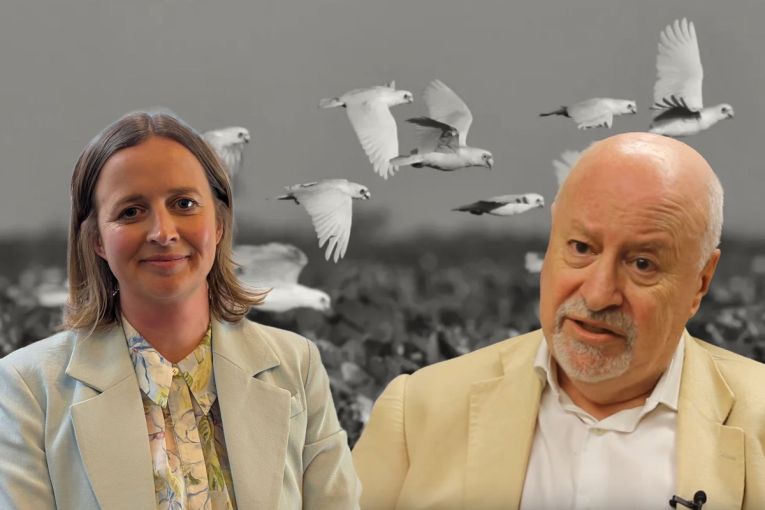
The 667-page document keeping SA’s newest minister awake at night
First-time pollie Alice Rolls is charged with one of the state’s most complicated portfolios, with yesterday’s State Budget revealing how money will tackle SA’s domestic violence crisis.
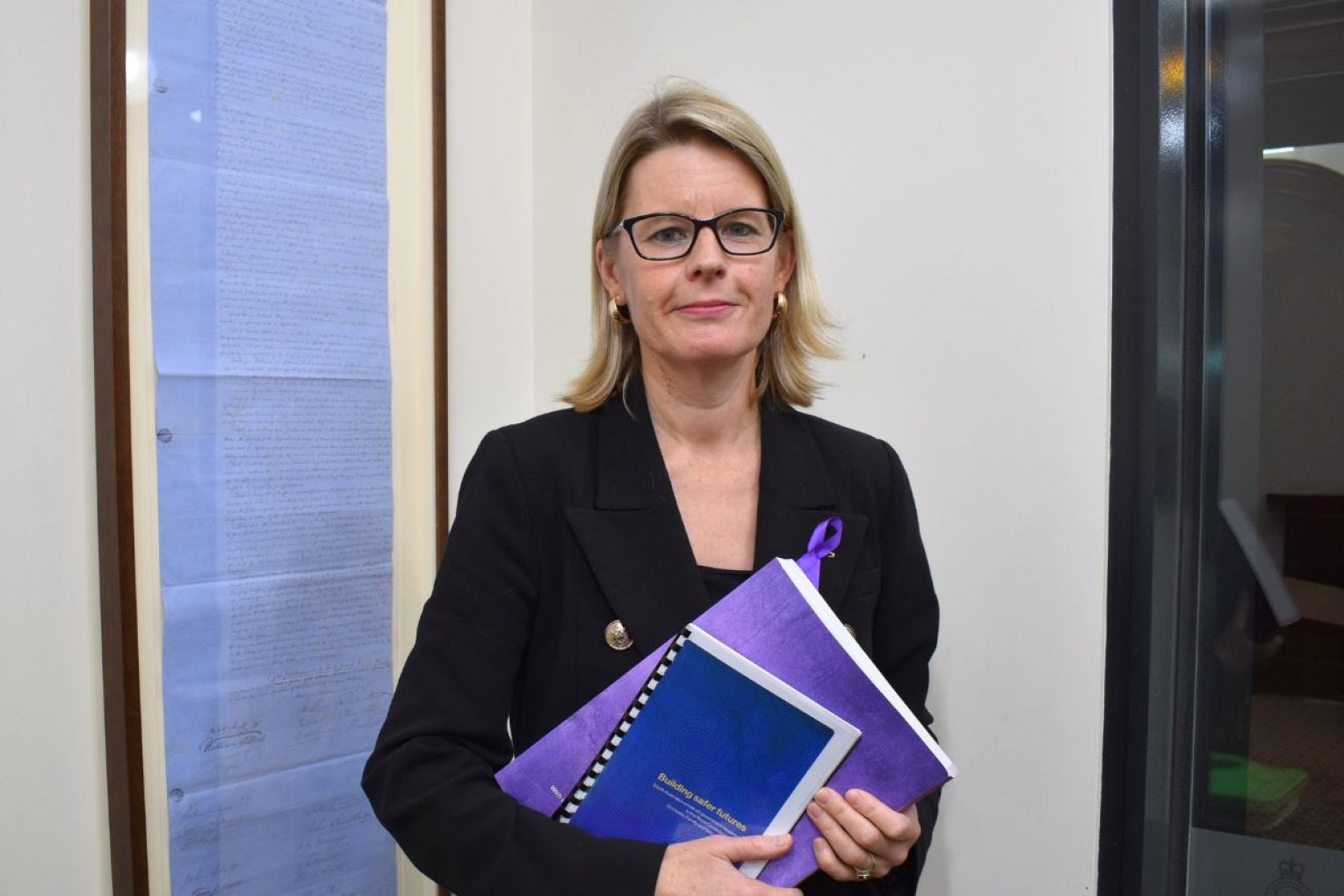
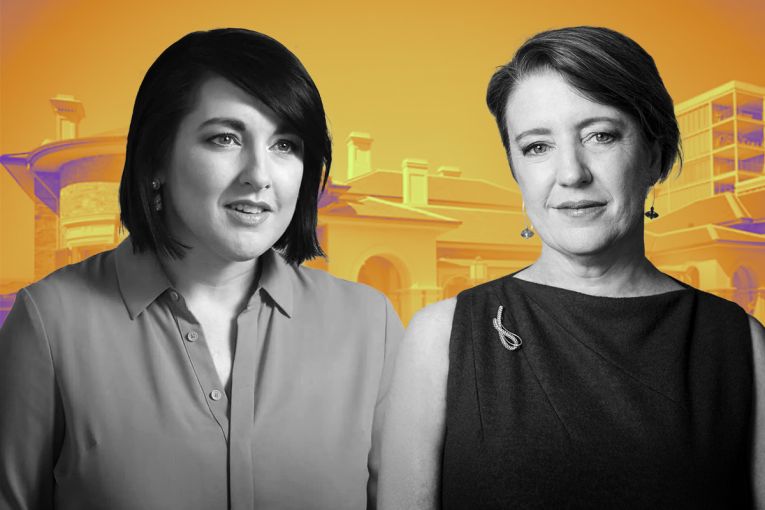
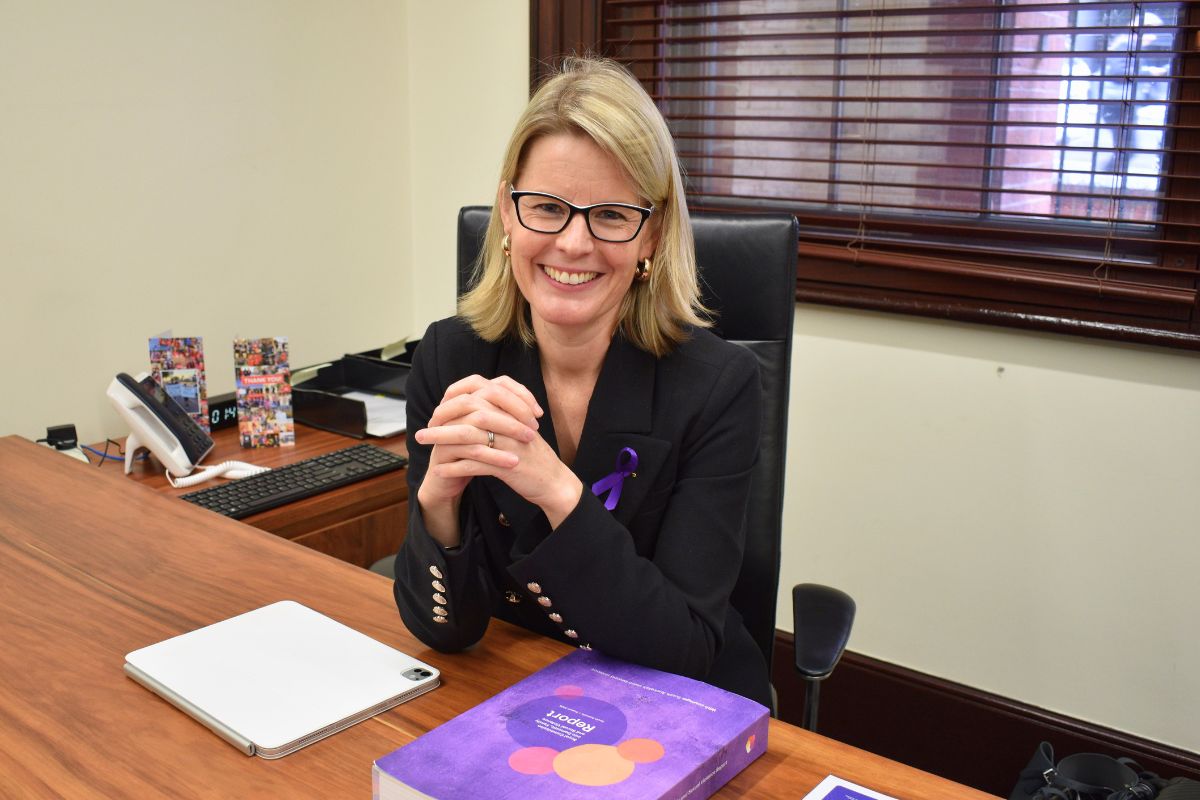
The weight of a 667-page report hangs over first-time MP and new Domestic, Family and Sexual Violence Minister Alice Rolls, installed in the top job three days after being elected to SA parliament in March.
Yesterday’s State Budget was the first since South Australia’s Domestic, Family and Sexual Violence Royal Commission findings were handed down – a mandate for the new minister whose family heritage includes grandparents who were human rights advocates in apartheid South Africa.
Peering at the thick purple book on her desk, Rolls told InDaily she was not intimidated “by the work required, but definitely by the weight of responsibility”.
“What keeps me awake at night is genuinely delivering on those recommendations,” she said.
The commission handed down 136 recommendations last August, 129 committed to by the state government– the Premier saying at the time that the report showed “a real failure” in addressing the number of SA deaths linked to domestic violence.
It was protests held on the steps of Parliament House over four women killed in one week that led to the commission being held.
On average, one woman is killed by an intimate partner every 11 days in Australia, and just over one in four women and one in seven men experienced partner violence or abuse, according to the Royal Commission.
You might like
To deliver its recommendations, a ten-year commitment of $673.6 million was announced last year, yesterday’s budget revealing how the pot would be divvied up, with $231.6 million to be spent before 2029.
SA Police received the most funding, with a $182.8 million to establish a dedicated Domestic Family and Sexual Violence service.
While $82.6 million would provide new services to those experiencing violence, and $43.7 million to expand prevention programs.
Rolls said it was still “very early in the journey” and that she was “impatient”.
“So I’m asking the question every day, my staff will attest to this, ‘what are we actually doing,’” she said.
For victim-survivors of sexual assault, there was a $36.2 million package to increase access to evidence testing kits – a trial is currently underway in the regions so people can get “timely care closer to home”.
Rolls said it was initiatives like this that were “key to ensuring victim-survivors feel supported, safe and believed”.
A 24/7 central phone and online support service to support victims was also underway, budgeted to receive $25 million.
Stay informed, daily
Rolls said initial work to tackle the complex portfolio involved a lot of administrative work and agencies working together, but that the government was also committed to initiatives not recommended by the Royal Commission, such as extending stamp-duty waivers to people escaping domestic violence situations.
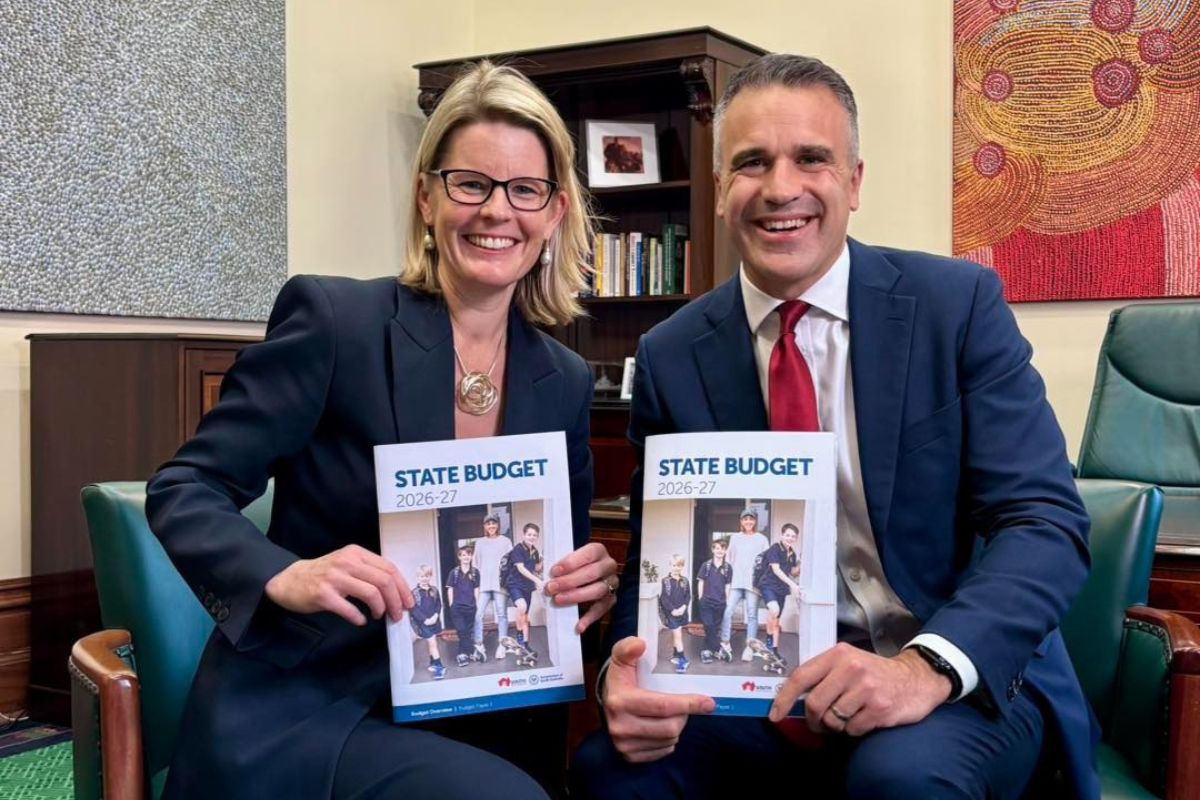
Rolls is not the first to receive an early cabinet call-up in the first year of her political tenure; Premier Peter Malinauskas and former treasurer Stephen Mulligan were also given ministerial positions early into their first terms.
Labor’s Lucy Hood and Rhiannon Pearce also received positions and the current City of Adelaide Lord Mayor Jane Lomax-Smith was awarded a first-term ministerial job shortly after she entered parliament in 2002.
Rolls could not be drawn on naming anyone as her sole confidant within the Labor party, saying, “I only got involved in this party seven years ago, and I wouldn’t have stayed if I didn’t find totally excellent people I share a lot in common with”.
She did say that it was her predecessor Katrine Hilliard who “did an excellent job over the four years” as domestic, family and sexual violence minister that she would go to for advice.
“I didn’t have a background in the union movement, and that sort of puts me at a difference to a lot of my colleagues, but again, so many of the values of the Labor Party are the values that I share,” Rolls said.
She is now a member of the party’s affiliated union, the Shop, Distributive and Allied Employees’ Association. Before entering parliament, Rolls spent 20 years working as a lawyer in commercial practice and formed the Accessible Justice Project – a not-for-profit law firm focused on solving disputes.
Her passion for human rights advocacy began when she was a young child, growing up in apartheid South Africa where her grandmother was involved with the Black Sash anti-apartheid protest group.
“One of the things that I remember hearing about as a young child that always stuck with me was when the criminal trials were occurring,” Rolls said about the landscape in South Africa when she was young.
“Most of the alleged criminals were black people in South Africa, the nature of the system was structured to make sure that happened sadly.
“White women members of the Black Sash would go and sit in the back of the courtroom to provide support, because there was all this evidence that judges might look more favourably on defendants if they were seen to have friends in the white community.
“There was that peaceful kind of activism that was going on.”
Rolls said those stories instilled her with a sense of fairness, and a drive to “give back to society…and make sure you use your status in life to give back to others”.
Want to see more stories from InDaily SA in your Google search results?
- Click here to set InDaily SA as a preferred source.
- Tick the box next to "InDaily SA". That's it.