Women ‘egged’ and assaulted as Islamophobic abuse rises, new SA report says
Latest figures show Islamophobic incidents in South Australia have grown 20-fold in four years, including a woman being attacked to remove religious dress.
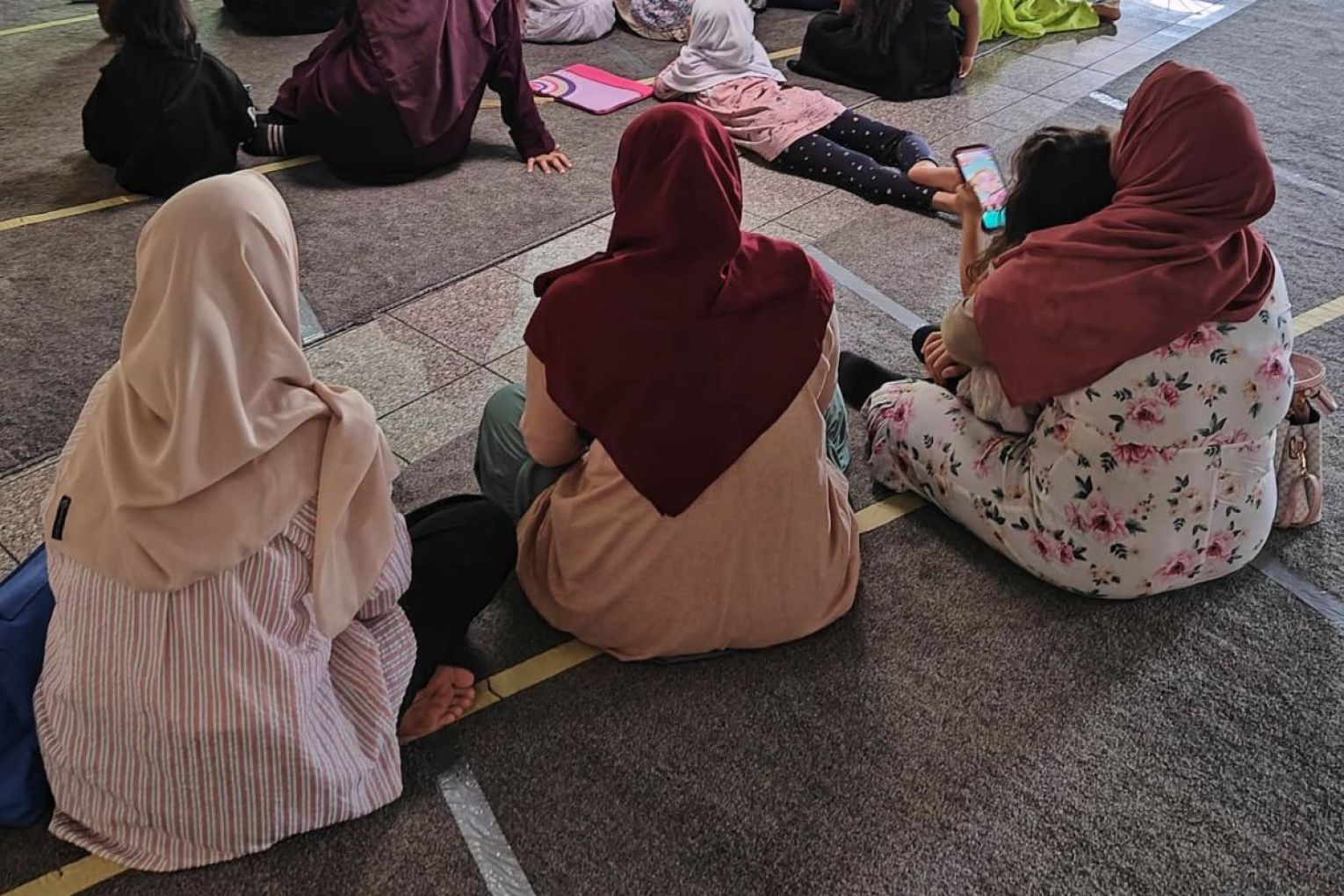
South Australia’s Muslim community is facing its highest recorded number of incidents ranging from hate speech to assault, with Muslim women the most exposed, a new report has revealed.
The report, released by the South Australian Islamic Society, showed 2026 is on track to exceed 2025’s record level of Islamophobic incidents.
Islamic Society of SA president Ahmed Zreika said it was “deeply concerning” that his community, particularly women and young people, felt unsafe because of their faith or appearance.
In 2022, there were two Islamophobic incidents recorded. In 2025, there were 41, according to the report, listing incidents including the “egging of a young woman walking from a bus stop; spitting and screaming at an Arab man outside a barbershop” and attempted intimidation driving.
The data looked at South Australian incidents reported to the national Islamophobia Register, the report suggesting Islamophobia in SA was “almost certainly greater” because many victims do not report due to distrust.
The figures did not show how many of the incidents were formally reported to SA Police.
One woman, who chose to remain anonymous, told InDaily she and her husband were “terrified” for their children about the increase in hateful incidents.
She told of stopping wearing her niqab – an Islamic veil that covers the face and nose – in public places “because of the amount of aggression that was displayed towards me while wearing it”, including an incident where she claimed to be physically attacked.
You might like

“I figured [the attack] was a once-off, but now I’ve been told to ‘f off back to my country’, I’ve been called a monster and a terrorist and a dog,” she said.
She added that “even if I have to run to the shops to get my newborn formula”, she waits to be accompanied by her husband or father for “protection”.
But the woman said despite the threats, the decision to convert to Islam was one she would “never regret”.
“Islam gave my life structure, it gave it routine, and it gave it a purpose that I had lacked for most of my life, and I will withstand any kind of hate directed towards me for the sake of my religion,” she said.
Women wearing hijab – a head covering that covers the hair but not the face – were more frequently targeted because they were more easily identifiable as Muslim, the report found.
Most incidents recorded in the report happened in areas including city streets, shopping centres, schools, on public transport and near places of worship – while 24 per cent occurred online.
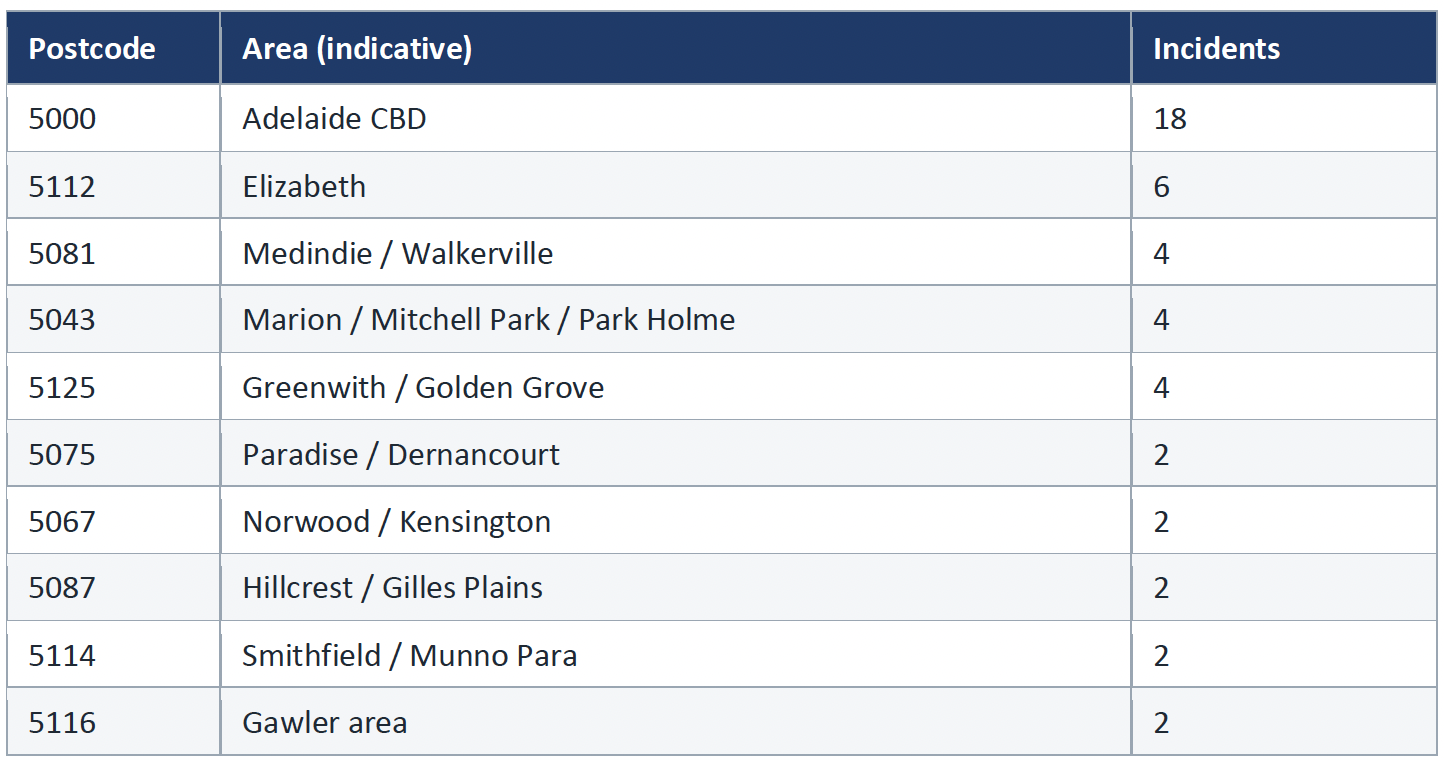
The Adelaide CBD was the largest hotspot, with 23 per cent of incidents. It was followed by the northern suburbs corridor, accounting for more than 20 per cent of reports from areas including Elizabeth, Smithfield, Munno Para, Gawler and Salisbury.
In the northern suburbs, people reported anti-mosque messaging and material in letterboxes throughout 2024 and 2025.
Islamic Society of SA president Zreika said when incidents occurred, many victims struggled to “regain trust in public systems after experiencing anti-Muslim hate, and without proper support pathways these experiences can lead to isolation, fear, and long-term emotional trauma”.
Stay informed, daily
He believed there were multiple factors contributing to the increase in anti-Muslim incidents, including international events, like ongoing conflict in Gaza and the Bondi attack on the Jewish community which increased “fear, suspicion and hostility”.
Increased incidents were putting pressure on Islamic organisations and community leaders, Zreika said, claiming there were no current dedicated state or national programs focused on supporting victims of Islamophobia.
There is federal legislation regarding hate crimes, but SA does not have specific “hate crime” legislation. “Hate motivating factors” are considered during sentencing under the Racial Vilification Act 1996, according to SA Police.
The report recommended the state government and police “establish a dedicated anti-Muslim hate-crime reporting and response protocol”, provide dedicated funding for a state-wide Islamophobia register and fund community safety measures around hotspots like the Adelaide CBD.
Zreika said he had discussed the issue with SA Police and was told government-level policy direction would be needed for reports to include specific categories relating to Islamophobia and anti-Muslim hate.
“While we continue encouraging the community to report incidents, many victims feel the current system does not adequately recognise their experiences,” Zreika said.
“At the same time, many within the community continue trying to respond positively by strengthening engagement with wider society, supporting interfaith initiatives, and encouraging people to speak up rather than remain silent.”
Zreika has previously written to Premier Peter Malinauskas, raising concerns that the Islamic community did not feel supported over his comments relating to an Australian author and Palestinian advocate being removed from the Adelaide Writers’ Week lineup. The letter included concerns about a reported rise in Islamophobic incidents since the Bondi terrorist attack.
The Premier said in his response that he had referred concerns to SA Police “to ensure appropriate consideration and action is taken in relation to the safety concerns raised”.
In a statement to InDaily, SA Police said it “maintains regular liaison with community groups, community leaders and representatives”.
“This liaison encourages concerns to be raised, and incidents to be reported in a timely manner to enable an appropriate policing response,” SA Police said.
“South Australia does not have ‘defined’ hate crime legislation, however the Racial Vilification Act 1996 (SA) treats hate motivations as aggravating factors during sentencing under the Sentencing Act 2017 (SA).
“The Racial Vilification Act addresses inciting hatred, ridicule, or contempt towards a race (by threatening physical harm/damage to property to a person or group or inciting others to threaten physical harm/damage to property), whilst the Sentencing Act allows judges to impose harsher penalties if any substantive criminal offence is motivated by prejudice against protected characteristics,” SA Police said.
“Anyone experiencing violence or antisocial behaviour is encouraged to report it immediately on the police assistance line on 131 444 or Triple Zero (000) in an emergency.”
Want to see more stories from InDaily SA in your Google search results?
- Click here to set InDaily SA as a preferred source.
- Tick the box next to "InDaily SA". That's it.