Bid to clear feral cats from KI in winter blitz
Work is underway on the next stage of clearing KI of cats with one group calling for enough cash to rid the island of the feral pests for good.
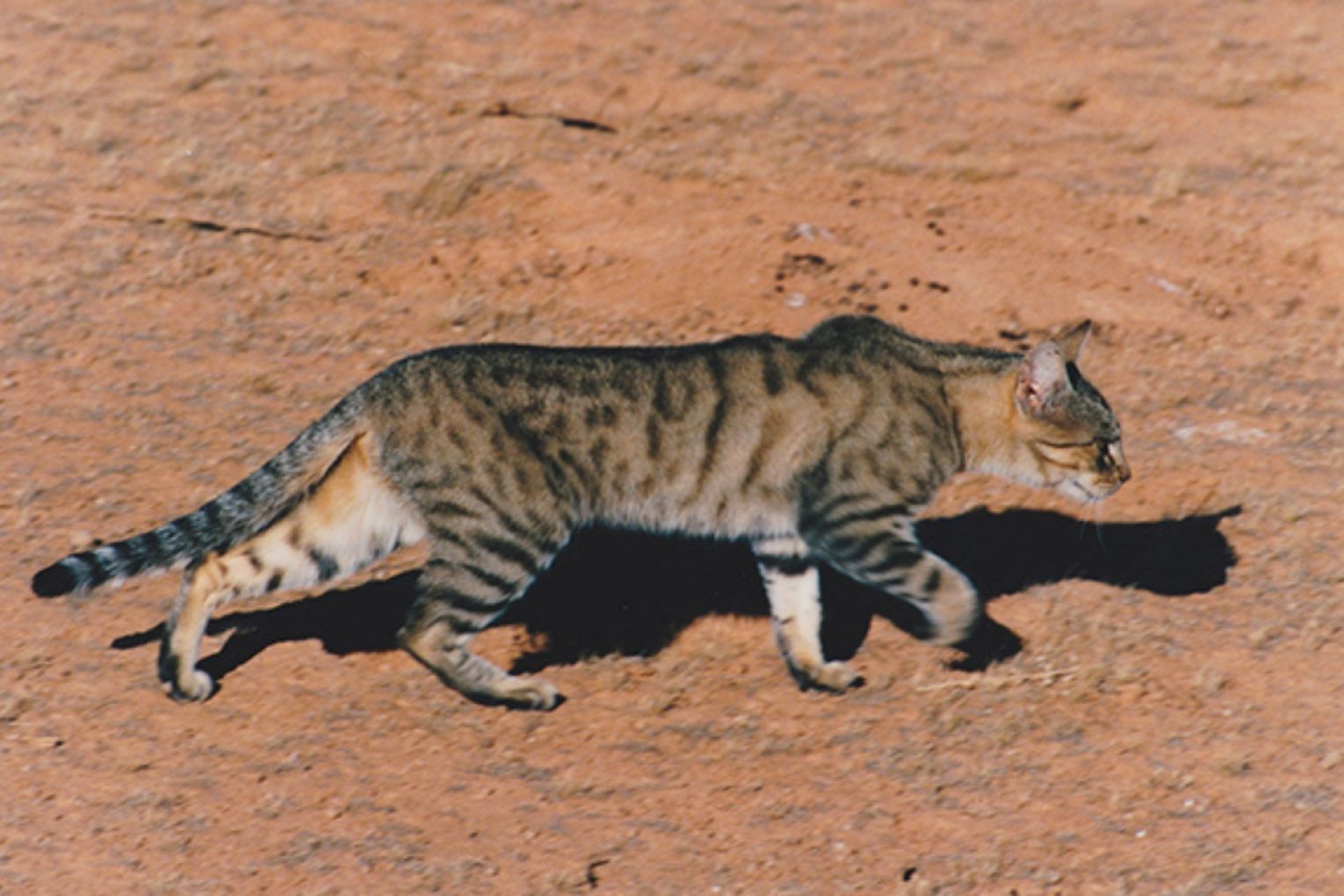
A winter blitz to wipe out feral cats is now underway on Kangaroo Island with Invasive Species Council CEO Jack Gough calling on the Federal Government to help the group finish the job.
He said the state government has provided $800,000 in additional funding for an ongoing program to deal with feral cats on Kangaroo Island’s Dudley Peninsula as the island looks to make a global first in the largest-ever effort to eliminate feral cats from a populated island.
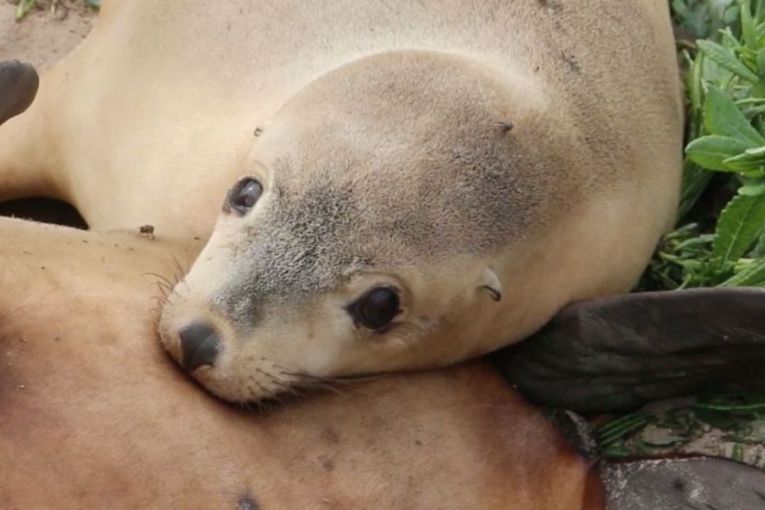
“Finishing this job means real protection for some of Kangaroo Island’s most vulnerable native animals – including the Kangaroo Island dunnart, echidnas, little penguins and ground-nesting birds,” he said.
Mr Gough referred to the project’s scale as “ambitious” and called for further funding from the federal government.
“There is already strong co-investment behind this project, with $800,000 committed by the South Australian government and $370,000 the Invasive Species Council has secured through philanthropic investment. This leaves $2,731,224 in remaining funding for the federal government to step up and deliver,” he said.
More than 800 traps, thermal tech, drones and detection dogs are now being deployed in the largest coordinated push yet to eliminate feral cats from a populated island anywhere in the world.
The program is run by the Kangaroo Island Landscape Board and the group said winter was when cats are most exposed – food is scarce, movement increases, and the last remaining animals can be targeted.
It has already significantly reduced cat presence across the Dudley Peninsula. and received $1.61 million in federal funding in December 2025.
Feral cats cause immense harm to native wildlife. Beach-nesting birds, reptiles, and small mammals are among the species impacted heavily. Additionally, feral cats can carry diseases that pose a risk to Kangaroo Island’s sheep industry.
Stay informed, daily
The group said their removal would help to protect local biodiversity, as well as farmers.
From January through to September of 2025, 196 feral cats were removed from the area, with a further 90 removed since the start of 2026. The team uses a variety of control methods, including soft-jaw leg-hold traps, thermal technology, and detection dogs. Additionally, around 280 remote cameras are used to provide nearly instant detection. Special measures such as thermal drones are being used to find trap-resistant cats.
SA Environment Minister Emily Bourke said state funding followed an election promise that would allow one of the most important stages of the program to get underway, “ensuring that this nationally significant program is on track to succeed”.
“Once complete, the Dudley Peninsula will become the largest human-inhabited feral cat-free area in the world, which is an extraordinary conservation goal for South Australia.”
Want to see more stories from InDaily SA in your Google search results?
- Click here to set InDaily SA as a preferred source.
- Tick the box next to "InDaily SA". That's it.