Key Arab state to quit OPEC in major move
The United Arab Emirates says it is withdrawing from OPEC, stripping the oil cartel of one of its largest producers.
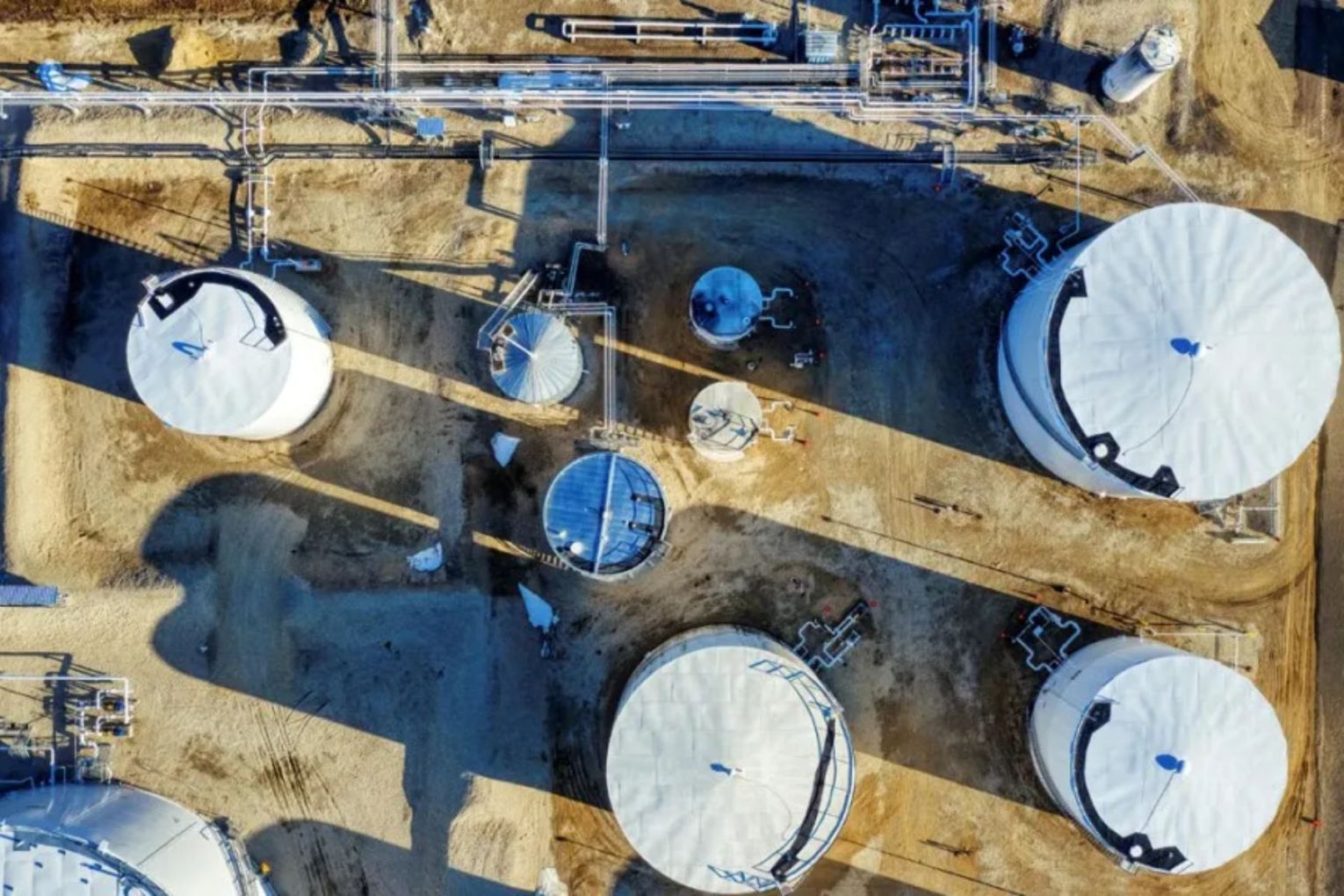
The United Arab Emirates will quit the oil cartel OPEC after nearly 60 years, dealing a heavy blow to the group amid the historic energy shock brought on by the US war on Iran.
The move, which takes effect on Friday, reflects “the UAE’s long-term strategic and economic vision and evolving energy profile”, a statement carried by state media said on Tuesday.
The move, which also includes the UAE quitting the wider OPEC+ group, had been rumoured for some time as the Emirates chaffed under production restrictions and increasingly had frostier relations with neighbouring Saudi Arabia.
The UAE first joined OPEC through its emirate of Abu Dhabi in 1967 and continued once it became its own country in 1971.


But the UAE has increasingly tried to leverage its own foreign policy in the Middle East, which has sometimes contradicted positions in Riyadh. It has become particularly noticeable as Saudi Arabia began to directly challenge the Emirates in trying to draw foreign investments as the kingdom opened up under assertive Crown Prince Mohammed bin Salman.
The UAE made the announcement via its state-run WAM news agency. It said it “reinforces its commitment to a responsible, reliable, and forward-looking role in global energy markets”.
“Following its exit, the UAE will continue to act responsibly, bringing additional production to market in a gradual and measured manner, aligned with demand and market conditions,” it said.
Saudi Arabia has long been considered a heavyweight of OPEC. Some of the market power of the Vienna-based oil cartel has waned as the US has increased its production of crude oil in recent years.
Saudi Arabia and the UAE have increasingly competed over economic issues and regional politics, particularly in the Red Sea area.
Stay informed, daily
The two countries did unite in a coalition to fight against Yemen’s Iran-backed Houthi rebels in 2015.
However, that coalition broke down into recriminations in December 2025, when Saudi Arabia bombed what it described as a weapons shipment bound for Yemeni separatists backed by the UAE.
Saudi broadcasters long based in Dubai, the economic hub of the UAE, have pulled back to the kingdom in recent months as well as the tensions rose.
Want to see more stories from InDaily SA in your Google search results?
- Click here to set InDaily SA as a preferred source.
- Tick the box next to "InDaily SA". That's it.