AUKUS ‘cracks beginning to show’: UK inquiry
The Coalition has called for the federal government to consider stealth bombers as a potential AUKUS stop gap as a UK inquiry report questions if Britain can keep its submarine promises.
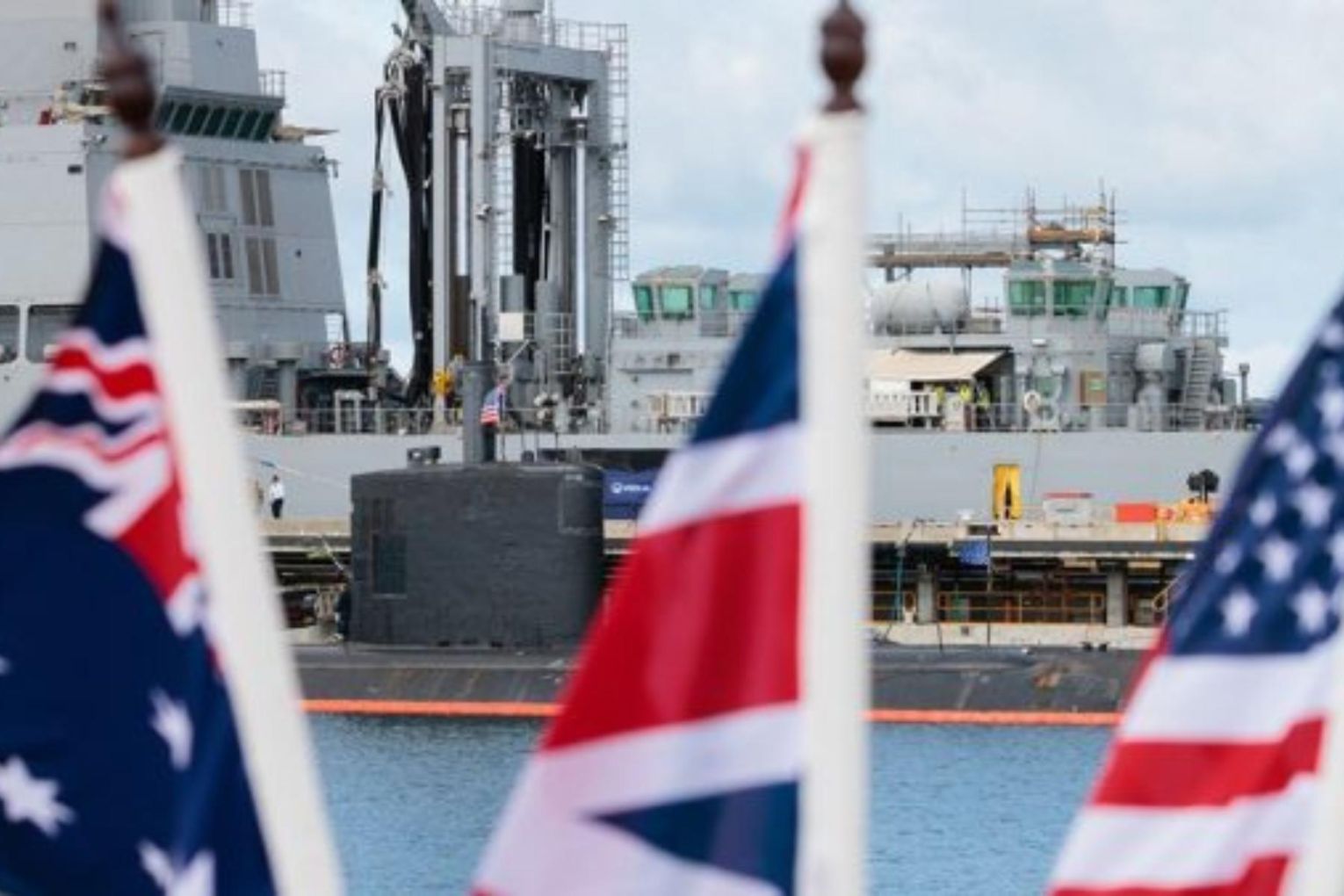
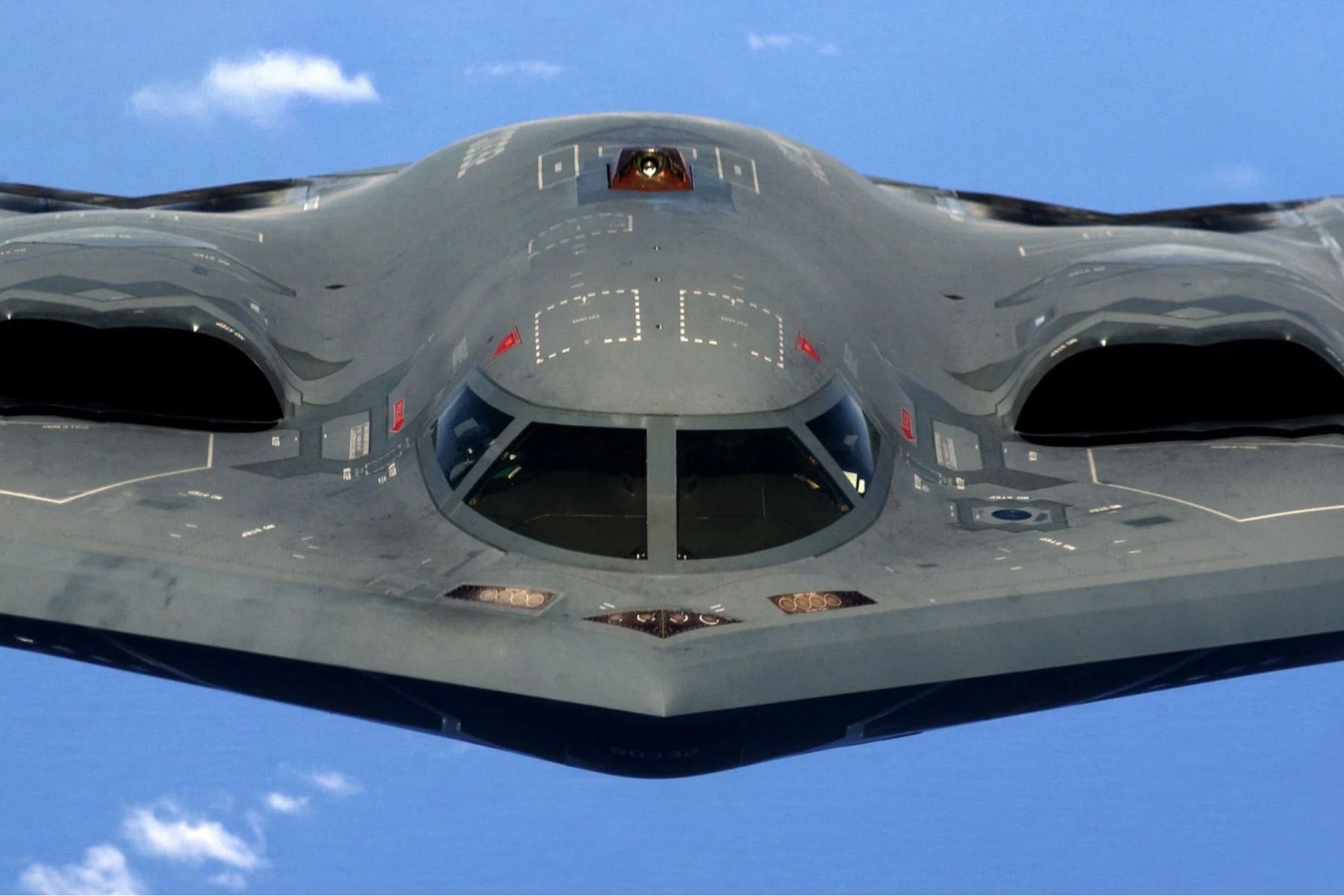
Australia should consider buying a fleet of long-range stealth bombers from the US as an AUKUS continency to ensure the nation isn’t exposed, opposition defence spokesman James Paterson says.
Addressing the National Press Press Club on Tuesday, the self-described “true believer” in the AUKUS agreement said serious obstacles would need to be overcome to deliver the $368 billion nuclear-powered submarine program.
Senator Paterson said B-21 stealth bombers were worthy of consideration as a stop gap.
“We do need contingencies for potential capability gaps … given any possible slippage in the delivery of US nuclear-propelled submarines, we need to be able to say that we will have those alternative capabilities to rely on,” he said.
“It has been looked at before … but that was prior to the election of the second Trump administration, and I think we’ve learned more about the world in our region in that time, which means it should be re-evaluated.”


A British parliamentary inquiry has found “cracks are already beginning to show” in the submarine program between Australia, the UK and the US.
A House of Commons defence committee into the security pact sounded the alarm on “shortfalls or delays in funding” which could threaten the new fleet of SSN-AUKUS boats to be delivered for Australia.
Prime Minister Anthony Albanese said he remained “very confident” AUKUS would go ahead.
Stay informed, daily
In his first major speech since taking on the defence portfolio, Senator Paterson called on the federal government and military leaders to be frank about the looming dangers.
“If the Australian public knew how likely conflict is in our own region in the near future, and how ill-prepared we were for it, they would be marching in the streets demanding higher defence spending,” he said.
“Instead of being honest with the Australian people about the threat and our preparedness, they are being lulled into a false sense of security.”
It comes in response to the national defence strategy, released earlier this month, which outlined an extra $53 billion.
Defence Minister Richard Marles said the extra money meant defence spending would rise to three per cent of GDP, which Senator Paterson said was being artificially inflated using “accounting tricks” by including military pensions.
“We can navigate our way through these turbulent times – but only with a real, significant and urgent increase in defence spending,” he said.
The United States is using the rocket launch systems and the missiles in the conflict in the Middle East.
A $2.3 billion commitment over the decade will deliver the 48 new rocket launch systems.
-with AAP
Want to see more stories from InDaily SA in your Google search results?
- Click here to set InDaily SA as a preferred source.
- Tick the box next to "InDaily SA". That's it.