Australia adds more fuel to tank than before Iran war
Following national cabinet, Premier Peter Malinauskas assures fuel supply is being topped up as the US-led war on Iran continues to close a crucial oil corridor.
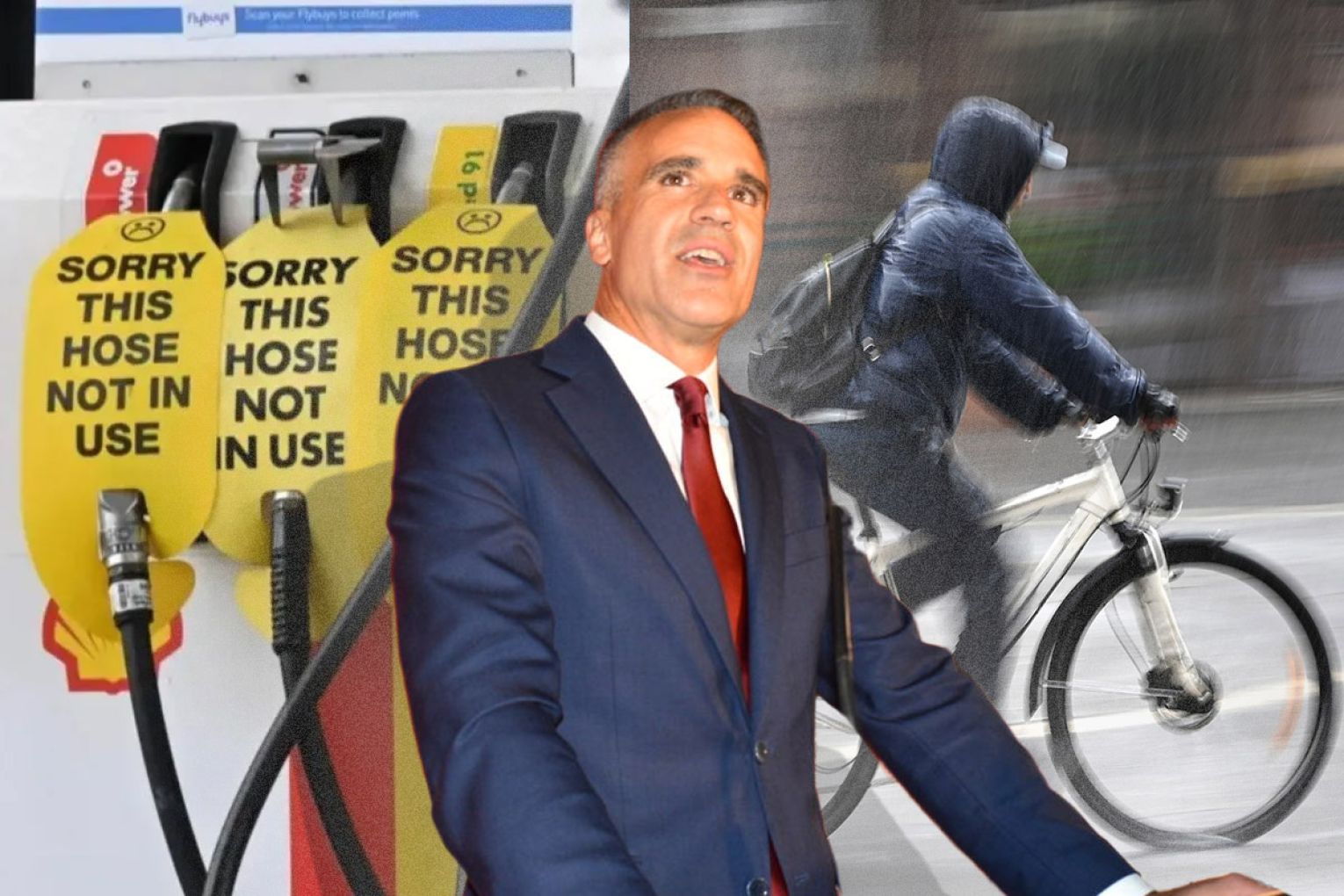
Australia has shored up its fuel reserves in the face of conflict in the Middle East, with 10 more days in its stocks than when the war started.
Prime Minister Anthony Albanese held a meeting of national cabinet on Thursday, his third since the start of the Iran war that effectively closed the Strait of Hormuz and sent global oil prices skyrocketing.
Australia now has 46 days of petrol in its stocks, 10 days more than when the US and Israel started launching strikes on Iran, according to Albanese.
“The reality remains, of course, that the strait is still closed and has been closed now for two months, we’re in deeply tumultuous and turbulent global times,” he told reporters in Sydney.
Following National Cabinet, Premier Peter Malinauskas said South Australia’s fuel position reflected others states around the nation and that “for the foreseeable future, fuel supplies are intact”.
“In fact, when it comes to regular petrol, unleaded petrol, we see 10 days more fuel supply in the country today than what was the case when the Iran war commenced, and largely the same number of days of fuel available when it comes to both jet fuel and diesel,” he said.
You might like

He warned that ongoing vigilance was required as vessels carrying fuel products or crude through the Strait of Hormuz continued to face closures meaning “that in the medium term, there still remains a very real possibility that there are shortages in the future”
The state government was also prepared to deal with a staged response to further fuel shortages right up to “stage four” that could mean fuel restrictions.
Energy Minister Chris Bowen said the government was doing everything it could to lock in fuel supply.
“Australians who are looking at the forward supply and making decisions can know that as well as these things can be forecast, Australia is well placed,” he said.
Albanese would meet state and territory leaders again in coming weeks to ensure co-operation across the country.
Forecasts suggest Australia’s economy could take a massive hit if disruptions to the Strait of Hormuz continue.
Stay informed, daily
Modelling from EY and Parthenon released Thursday shows the country’s GDP could be $42 billion lower if the strait remains closed for most of 2026.
Investment would be down by $54 billion and household consumption lowered by $70 billion under a severe disruption.
Even if the conflict in the Middle East resulted in a disruption less than three months, the GDP would still be $7 billion lower.
“Global oil price increases are flowing quickly into transport, logistics, mining, agriculture, construction and manufacturing costs, with fuel acting as both a direct input and an embedded cost across supply chains,” EY’s regional managing partner David Larocca said.
US President Donald Trump says Iran is collapsing financially and short of cash, suggesting the regime wants trade to resume through the Strait of Hormuz.
“They want the Strait of Hormuz opened immediately – starving for cash! Losing 500 Million Dollars a day,” he said in a post on his platform Truth Social.
Trump also flagged an indefinite extension of the ceasefire in Iran.
The strait – which before the war carried about a fifth of the world’s oil – has been effectively closed after US and Israeli launched strikes on Iran in late February.
The closure has left countries scrambling to find new supplies of oil and refined fuels, prompting Australia to seek more shipments from its neighbours in Asia.
In response to the global oil shock, Labor slashed the fuel excise – shaving 32 cents a litre off the price of petrol and diesel.
The three-month halving of the tax is due to expire at the end of June, but government officials are not ruling out extending the policy if the conflict in the Middle East continues to disrupt global supplies.
– AAP
Want to see more stories from InDaily SA in your Google search results?
- Click here to set InDaily SA as a preferred source.
- Tick the box next to "InDaily SA". That's it.