Warnings over mouse surge across prime SA farmland
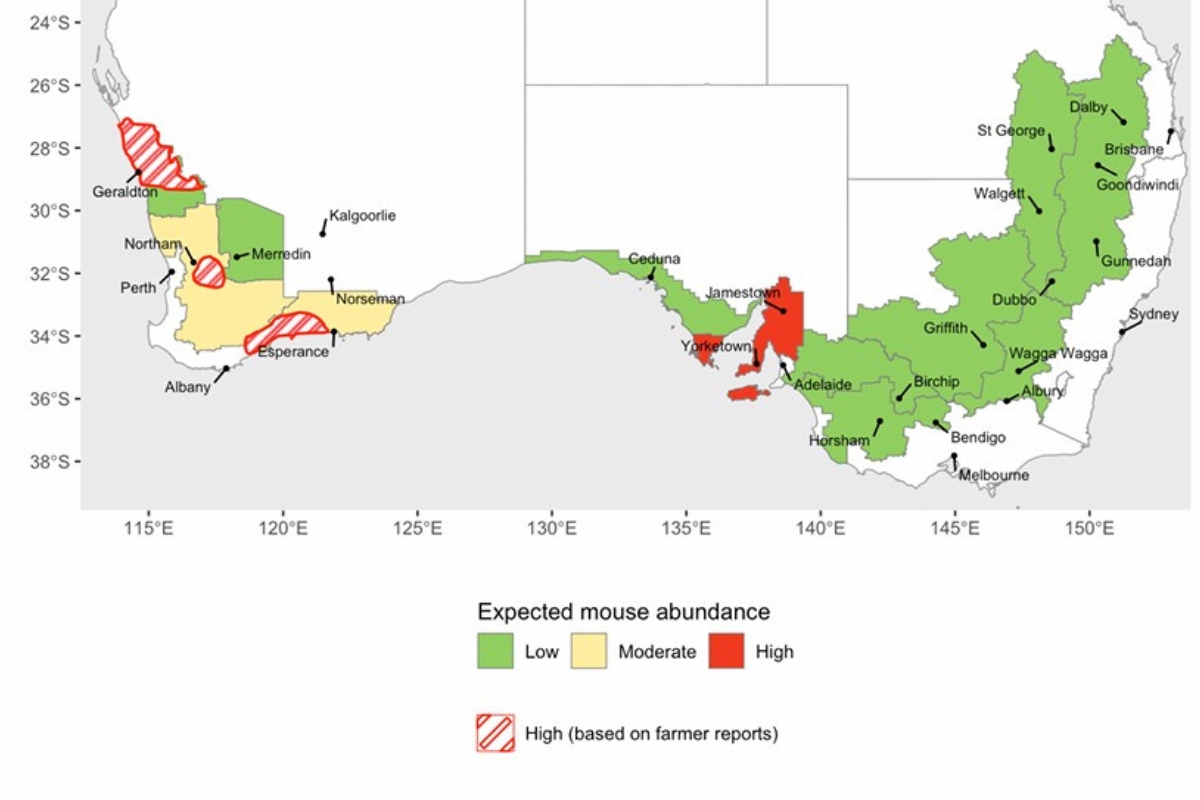
Scientists are warning SA farmers that high mice numbers are expected in key regions around the state as grain producers are told to be “alert and prepared to act”. See the map.
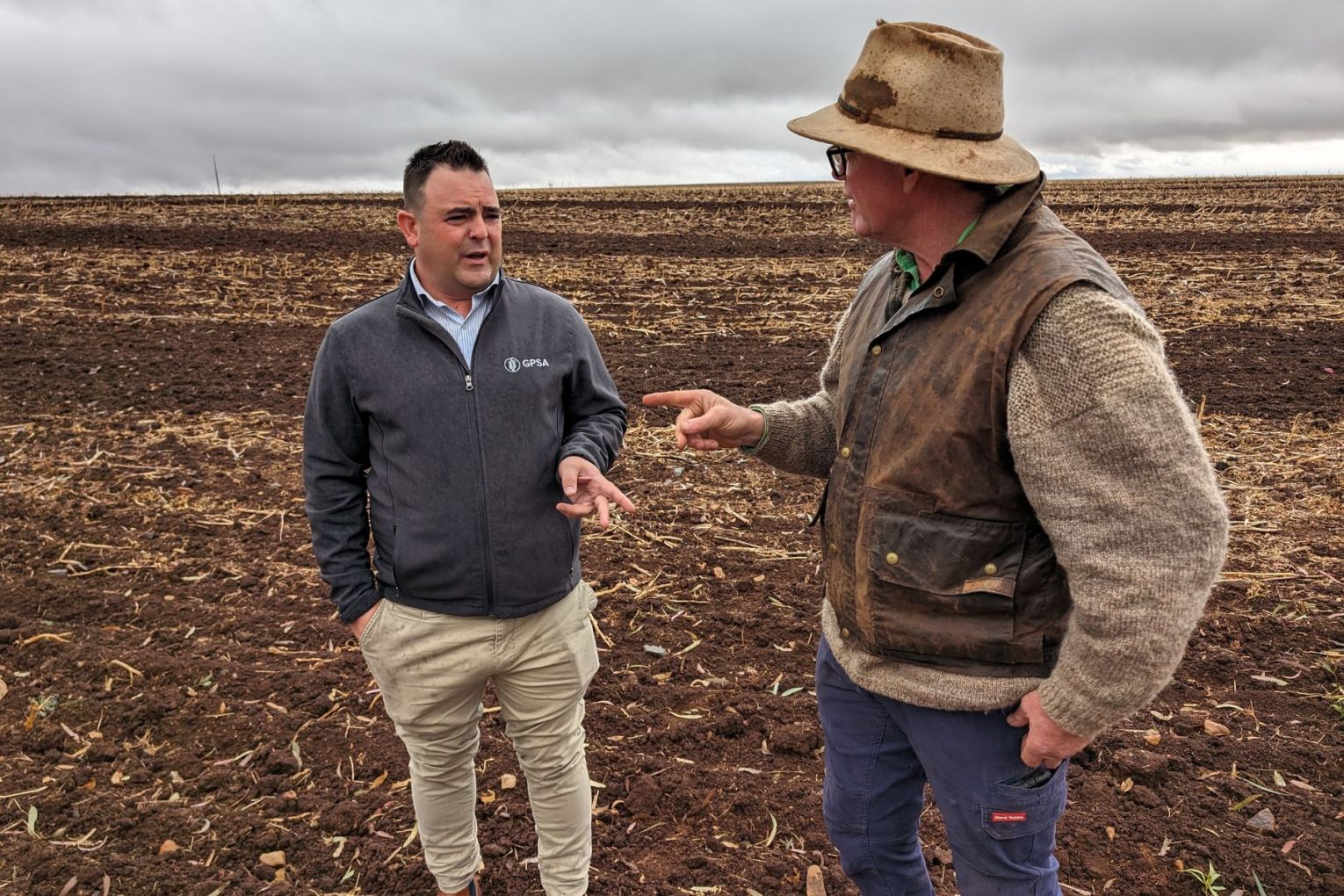
Grain Producers South Australia has issued a warning to SA farmers telling them to be vigilant over increased mouse activity ahead of the 2026 seeding program.
A recent mouse forecast from the CSIRO highlighted strong evidence of growing mouse populations in SA, particularly across areas of the Adelaide Plains, Yorke Peninsula, and Eyre Peninsula.
GPSA CEO Brad Perry the news meant grain producers preparing to plant crops “need to be alert and prepared to act”.
“Grain producers should be out in paddocks now checking for signs of activity, particularly active burrows. Even two or three active burrows per 100 square metres is considered a warning sign before sowing,” he said.


Perry said that it is necessary to be proactive in preparing for increased mouse presence, saying that “monitoring, preparation and early action are important when dealing with increasing mice numbers”.
The industry group was working with organisations to ensure grain producers could access stronger mouse bait if required.
“GPSA has established a working group with the Department for Primary Industries and Regions (PIRSA), Grains Research and Development Corporation (GRDC) and CSIRO assessing the current barriers in accessing stronger mouse bait for South Australia grain producers,” he said.
“According to survey data from South Australian grain producers, there is overwhelming feedback that ZP50 is the most effective option to stop the severe impact from mice in our paddocks, however there are currently challenges in gaining access to this tool through the Australian Pesticides and Veterinary Medicines Authority (APVMA).”
Stay informed, daily
The CSIRO report recommended farmers worked to clear background food sources like spilt grain, as this could reduce the effectiveness of baiting programs and provide more attractive breeding conditions for mice.
Other preventative steps advised by the Grains Research and Development Corporation included actively measuring the presence of mice using visual means and mouse chew cards that could be ordered through the corporation.
They additionally recommended baiting as soon as possible at or after sowing if higher numbers of mice were detected.
Only baits containing 25 g/kg zinc phosphide (ZnP) are currently registered for use by the Australian Pesticides and Veterinary Medicines Authority.
Grain Producers SA encouraged growers to report mouse activity and remain engaged with updates as conditions evolved throughout the season using the CSIROs tracker ‘MouseAlert’ at https://feralscan.org.au/mousealert
Want to see more stories from InDaily SA in your Google search results?
- Click here to set InDaily SA as a preferred source.
- Tick the box next to "InDaily SA". That's it.