Daylight saving is ending – but it is not all bad news
The good, the bad and the hints behind the clock switching.
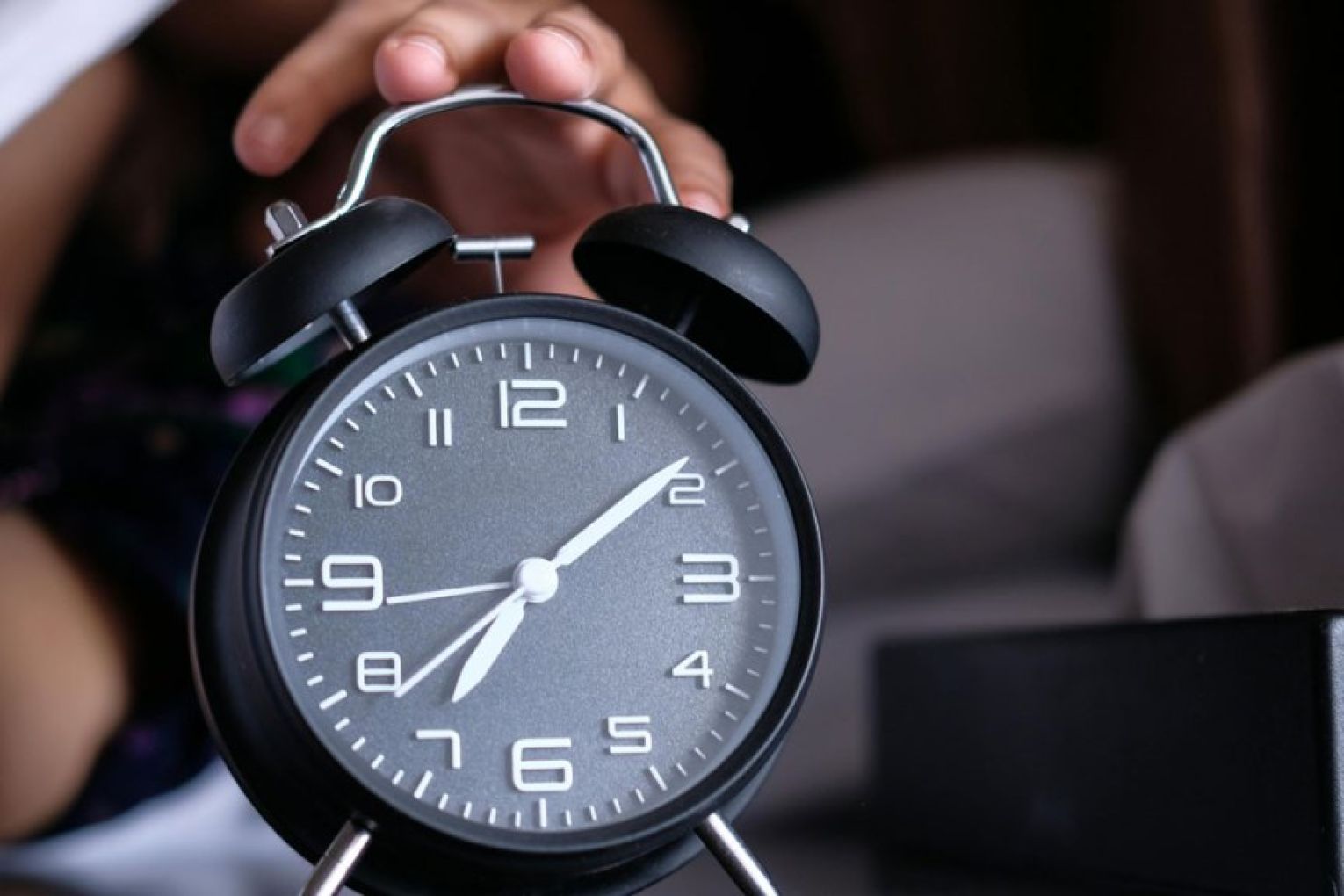
The end of daylight saving this weekend is both good and bad news for Australians in those states and territories that follow the more than 100-year-old practice of tricking time.
An obvious upside is that people in the ACT, NSW, South Australia, Tasmania and Victoria will get an extra hour’s sleep on Saturday night and be less likely to find themselves rising before the sun.
The time on smartphones and other electronic devices should automatically “fall back” an hour at 3am on Sunday, April 5, although you may have to manually change it on analogue watches, clocks, ovens and the like. (For non-DST-observing Queensland, Western Australia and Northern Territory, there’s no change.)
The downside of this time switch is that it’ll seem much darker in the early evening, potentially impacting after-work outdoor activities and seeing some of us scurrying indoors to spend more time in front of the television – although, let’s face it, the cooler autumn weather does that anyway.
Another much-discussed problem in recent years has been how the switch can potentially impact our sleep patterns and therefore overall wellbeing.
You might like


“The autumn transition from daylight saving time back to standard time is often perceived as beneficial because of the extra hour of sleep gained,” wrote researchers Meltem Weger and Benjamin Weger in an article on The Conversation last year.
“However, some research shows the autumn transition from daylight saving time back to standard time can disrupt wellbeing, too. It is linked with increased restlessness during the night that compromises sleep.”
The pair also noted that Danish research had linked the “fall back” to a rise in depressive episodes up to 10 weeks after the transition back to standard time.
Over the past decade or so, some states and countries around the world have abolished daylight saving, with the European Union currently facing pressure to do so.
Stay informed, daily
Around a third of countries still practice the twice-yearly time change, which was originally introduced during World War I to conserve fuel, and in Australia was progressively reintroduced in most states and territories between 1967 and 1972.
Although some proponents claim it can still reduce energy use today by lessening the need for artificial lighting at night, DST is mostly embraced for the social, economic and health benefits it offers by enabling people to make the most of daylight in summer.
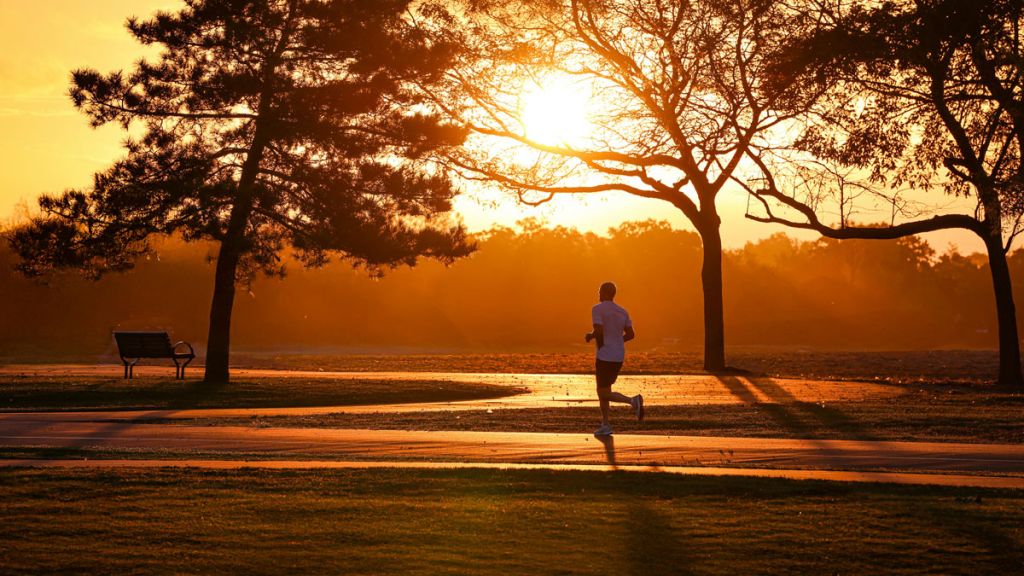
At least it won’t seem so dark in the morning. Photos: Pexels
Thanks to that magic extra hour, the end of daylight saving is less disruptive to our bodies than the beginning, according to the Sleep Health Foundation.
“The body’s circadian rhythm, our built-in timeclock, operates on a slightly longer than 24-hour cycle,” says its website. “This means that being able to extend our day, through going to bed a bit later in the evening, is much easier than it is to shorten our day”.
It says “falling back” may even help us to sleep better.
“After the time change, it will get dark earlier, which could prompt us to go to bed earlier, especially after the long, well-lit summer evenings that encourage us to stay up much later. It will be lighter in the mornings, making it easier to get up to do some exercise to start the day well.”
For those still sceptical, the NSW government website has a few tips to make the adjustment easier, including:
- To kickstart your day and avoid any timing issues, set your watch and household clocks that don’t automatically update overnight to the new time before you go to bed.
- Maximise morning light: Get outside in the morning to help reset your body clock.
- Stay consistent: Keep your sleep schedule consistent to avoid disruption.
If you’re already looking forward to daylight saving starting again, mark your calendar for Sunday, October 4, when the clocks will “spring forward” once more.
Want to see more stories from InDaily SA in your Google search results?
- Click here to set InDaily SA as a preferred source.
- Tick the box next to "InDaily SA". That's it.