Surprise rise in threatened bilby numbers in SA
As Haigh’s sold thousands of chocolate bilbies for Easter – conservationists celebrated the threatened species clawing its way back from the brink.
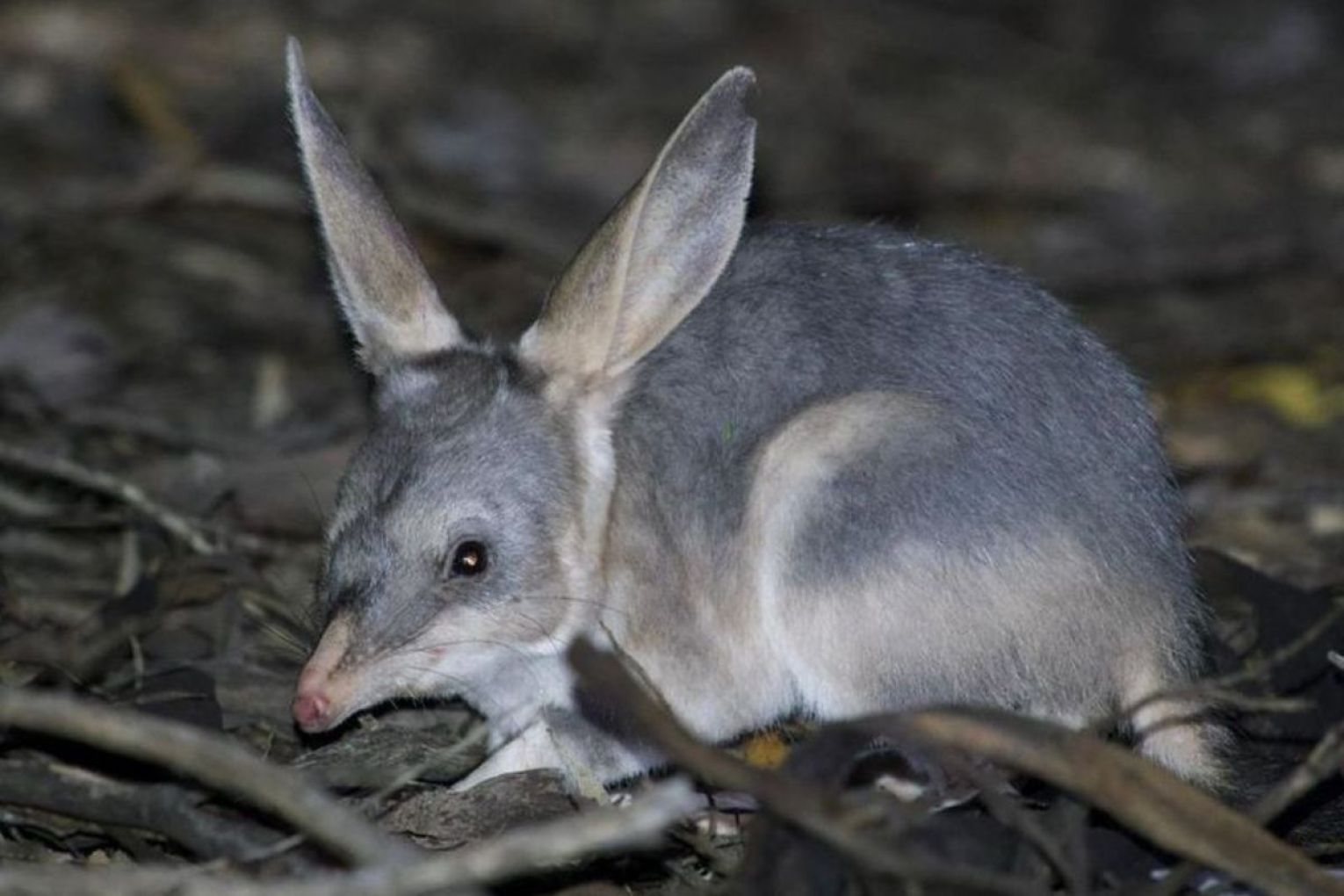
The Australian Wildlife Conservancy has announced that the Greater Bilby population at a South Australian sanctuary has more than doubled since last year with numbers on safe lands across the country on a steep rise.
Despite facing harsh drought conditions, the bilby population has risen from 95 to 210 individuals at Yookamurra Wildlife Sanctuary in the Murraylands region on Ngarrindjeri Country.
Yookamurra wildlife ecologist Dr Aly Ross said it was a surprise to see such a drastic increase in the local population with the species listed as threatened since 1995.
“I was expecting to go out there and just not see any bilbies at all. Sometimes we run our survey and it’s just crickets, but this year on the first night we saw 20 bilbies, which was way above average,” Ross said.
“The fact that it’s been such a severe drought, we expected the numbers to be low. The fact that not only were they not low, but had increased to such an awesome extent, we’re still trying to pull apart the reasoning for why that is.”
Data from the Australian Wildlife Conservancy estimates a total of 5,330 bilbies live at sanctuaries across the country, an increase of 2,000 in the past year and four times the population of 1,230 recorded in 2021. It is estimated there are fewer than 10,000 living in the wild.
You might like

"They used to be one of the most widespread species that we had in the country and could be found across 80 per cent of Australia. Now, they’re not a species that you’re going to come across in the wild in South Australia.” – Dr Aly Ross"
Ross said a “population boom” of Harlequin bugs and an increase in Mallee Looper caterpillars in the Riverland region may have contributed to the rising bilby families.
“That would have been a huge source of nutrition for the bilbies. They love bugs, they love moths, they love beetles,” she said.
“So, I think that would have absolutely been a delicious treat for them for a big part of the year.”
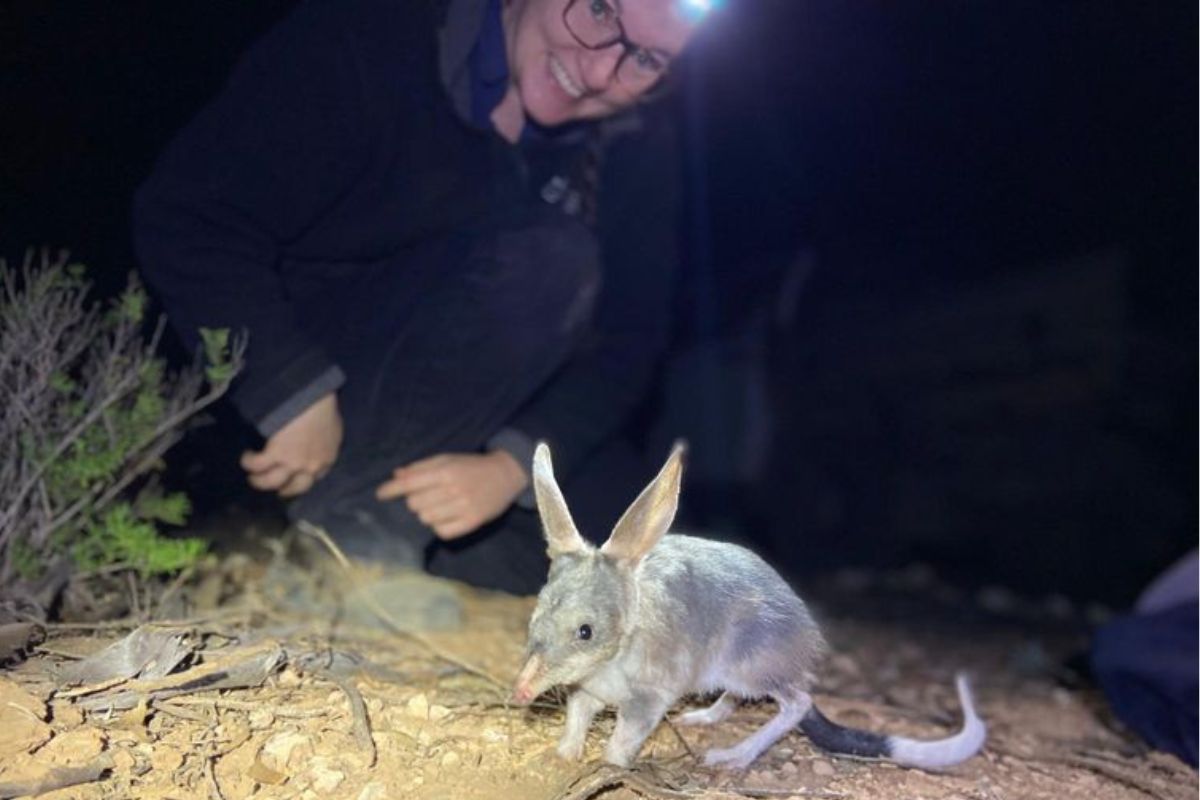
Yookamurra Wildlife Sanctuary protects more than 5,000 hectares of land and is home to nine threatened species of wildlife including the brush-tailed bettong and numbat, and one threatened plant species.
Stay informed, daily
The sanctuary is surrounded by a 13.3-kilometre predator-free fence to keep out feral cats and foxes which pose the biggest threat to bilby populations.
“As with all Australian native species, the loss of usable habitat is a huge impact,” Ross said.
“A bilby is a very delicious size for a hungry cat or a fox, so as soon as we introduce these predators, the bilbies and most small, native species can’t really survive when they’re being preyed upon by these superior predators.”
The medium-sized marsupials can reach lengths of up to 55 centimetres, weigh up to 2.4 kilograms and are instantly recognisable by their distinct pointed snout and long pink ears.
“When it scampers away, the tail tip is wiggling like a worm and they look unique to come across when we catch them,” Ross said.
Ross hopes that bilby populations would continue to grow at Yookamurra depending on “environmental factors”, with the species being a vital cog in the ecosystem.
“Bilbies are a species known for their digging capacity and are an ecosystem engineer, which is what we call animals that have such a large impact on the environment,” Ross said.
“They change the environment just by being in it. Bilbies move so much soil every night that they’re increasing the amount of aeration in the soil.
“The holes they dig are where seeds and water fall into, then we get shrubs and trees growing out of the places that bilbies are living in.”
With Easter around the corner, South Australians are sure to be loading up on chocolate bunnies, but Ross says the chocolate bilby is the superior choice.
“I refuse to buy a chocolate rabbit. I will just not buy any chocolate at all until I see a chocolate bilby,” she said.
Part proceeds of all Haigh’s chocolate bilbies are given to Rabbit Free Australia to assist in their work in protecting the bilby and its habitat.
Want to see more stories from InDaily SA in your Google search results?
- Click here to set InDaily SA as a preferred source.
- Tick the box next to "InDaily SA". That's it.