KI aquaculture farm forced to shut down amid $10m algal bloom fallout
Job losses as a major shellfish company is forced to close its Kangaroo Island abalone farm and the squid industry ‘dies’. The seafood industry still reeling from the impacts of SA’s harmful algal bloom.
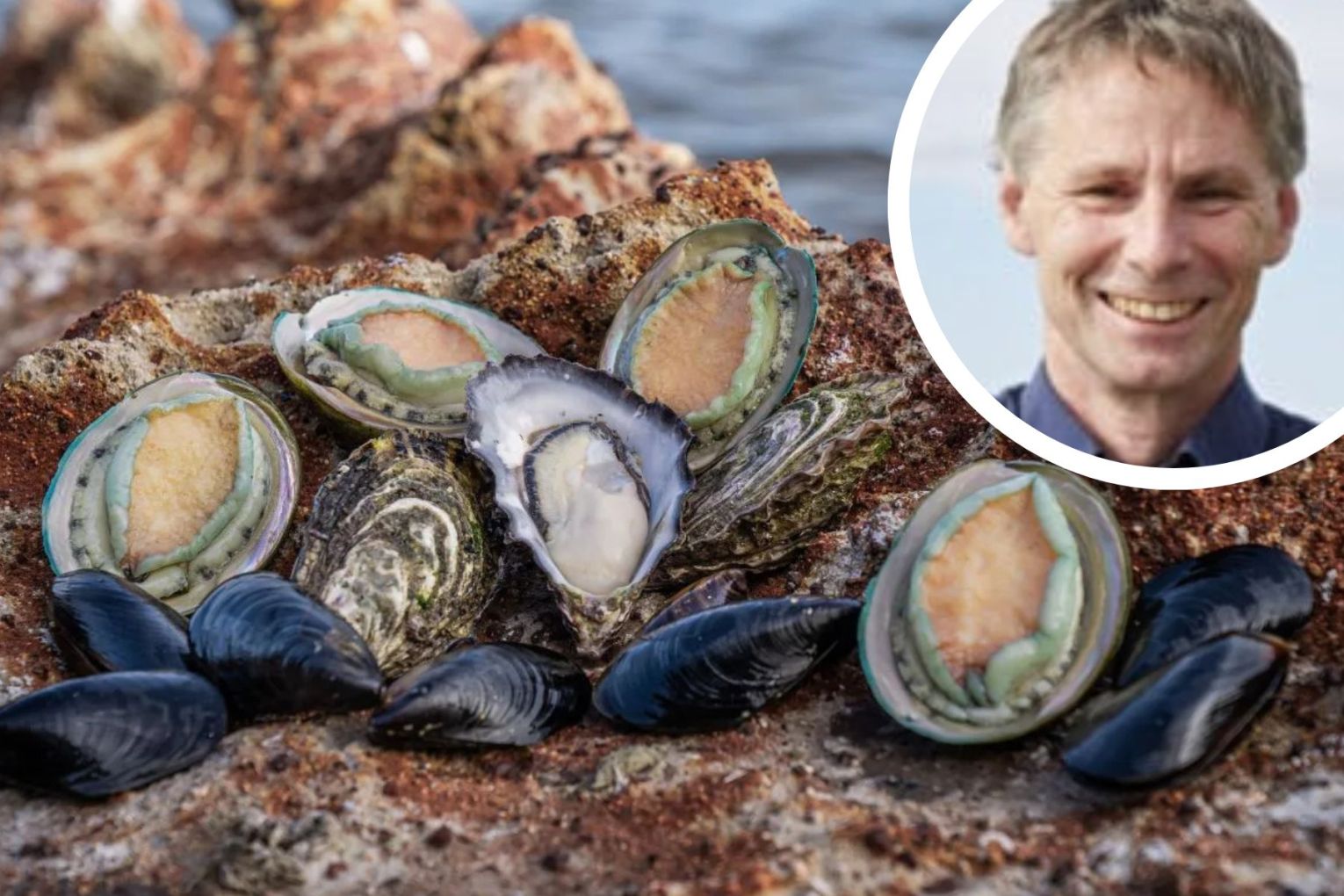
Australia’s largest shellfish aquaculture company Yumbah Aquaculture will cease operations at its land-based KI abalone farm on Smith Bay as ongoing environmental and financial impacts from the algal bloom make “operations unsustainable”.
Yumbah Aquaculture CEO David Wood said the closure of the Smith Bay farm was necessary following the “compounding effects of the harmful algal bloom”.
“The investment required to restock the farm and the abalone market challenges globally led to the conclusion that it wasn’t viable for us to continue farming there,” Wood told InDaily.
“The algal bloom came through mid-2025 and had an initial impact on the stock with slow growth and some mortality.
“We had a second hit come through in November and again in December 2025 where we had high mortality with stressed stock being impacted again. That was the final straw,” he said.
The site on the north shore of KI has produced an annual average of 175 tonnes of abalone, with plans for the site to be de-stocked and decommissioned over the next three months.
In September, 2025 the company claimed direct financial impact sustained from the algal bloom was about $5 million – a significant chunk of the company’s $100 million annual revenue target.
You might like

Today, Wood estimated that losses across all species was closer to $10 million.
“If we look at the impact on abalone alone, it’s approximately $3 million of stock impact, and then we’re facing the potential loss of equipment and other assets of about $4 million,” he said.
Yumbah’s KI abalone site employs up to 30 people during peak seasons and 15 full-time employees year-round. Staff were informed of the company’s decision to close the facility on Monday.
“Obviously it’s very difficult news for them to take on board, but we will guarantee employment through that 12 week period, and provide as much support as we can,” Wood said.
“Our goal is to ensure that we support them through this and that we’ve got a transparent plan for de-stocking the farm and what that means for them.”
Wood said Yumbah would continue kingfish, mussel, abalone and oyster production at other SA and national sites to supply to domestic and international markets.
KI Mayor Michael Pengilly said he remained cautious about the ongoing economic effects of the algal bloom that had also “dramatically affected” KI’s commercial marine scalefish fishery sector.
The state government imposed commercial fishing restrictions in the Gulf St Vincent and Kangaroo Island regions in November last year due to a “severe decline” in calamari, garfish and King George Whiting numbers. The restrictions will remain in place until June 30, 2026.
Stay informed, daily
“The whiting has pretty much disappeared,” Pengilly said.
“There’s been a closure put in place, so the fisheries have been existing on government incentives and money to keep them going.
“We’ve got no squid whatsoever — the squid fishery has died over here along with the Fleurieu Peninsula,” he said.
Pengilly has called on the state and federal government to “assist where possible” to ensure the Smith Bay abalone facility gets an alternative use.
“There’s nothing wrong with the facility, and they’re going to have a maintenance person to keep it running,” Pengilly said.
“We haven’t asked for a lot here, but I’m now saying there has been a delayed effect on a cornerstone of Kangaroo Island’s fishing sector.
“We’re seeking some assistance in one way or another, to invest in the future of this site.”
Some of the ideas floated for use were a potential water testing and development facility, a university marine campus and a possible algal bloom research base.
A state government spokesperson said executives from the Department of Primary Industries and Regional Development would meet with Yumbah this afternoon to discuss the current situation, including potential uses of the site.
“The State Government is aware the Australian abalone industry has been significantly impacted by a drop in prices for their product in the Chinese market with processors reporting price decreases of 40 per cent for Australian Blacklip abalone. This has been caused by an increase in domestic supplies in China,” the spokesperson said.
“The State Government continues to roll out support for fisheries and aquaculture businesses impacted by the algal bloom through the unprecedented commitment of more than $160 million for response and recovery.”
Want to see more stories from InDaily SA in your Google search results?
- Click here to set InDaily SA as a preferred source.
- Tick the box next to "InDaily SA". That's it.